Car Won’t Start When Battery Is Good Troubleshooting Guide
It’s frustrating when your car won’t start but battery is good. This is a common problem, especially for new drivers or anyone not super familiar with cars. It can feel a little confusing, because you expect your car to start when the battery is working fine. Don’t worry, though! We’ll explore the main reasons this happens and provide a simple, step-by-step solution. Let’s explore what might be happening and get your car running again.
Possible Issues When Your Engine Fails to Turn Over
When your car won’t start even though the battery seems fine, the problem is usually somewhere other than the battery itself. The starter motor, ignition switch, or even a faulty fuel pump could be to blame. Pinpointing the exact cause requires a bit of detective work, but it’s often a straightforward process. Knowing what to check can save you a tow truck bill and get you back on the road quickly.
Examining the Starter Motor’s Role
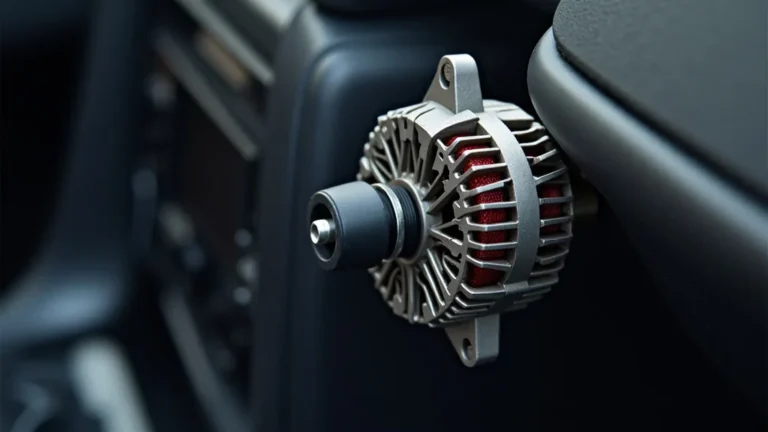
The starter motor is like the engine’s first push. It’s a small but powerful electric motor that uses the battery’s power to turn the engine over, allowing it to start. When you turn the key or push the start button, the starter motor engages. If it fails, the engine won’t crank. Issues can include electrical problems, worn-out components, or even physical damage. Identifying a problem with the starter often involves listening for certain sounds or looking for specific symptoms.
- The “Click” Sound: A single “click” when you try to start the car could point to a faulty starter solenoid. The solenoid is a switch that activates the starter.
- No Sound at All: If you hear nothing when you turn the key, the problem might be a broken wire or a more serious issue with the starter motor itself.
- Slow Cranking: If the engine turns over slowly, it might mean the starter is struggling. This can be caused by a weak starter or a problem with the car’s electrical system.
- Intermittent Problems: A starter motor that works sometimes and not others might indicate a loose connection or an internal issue.
Many people mistake a faulty starter for a dead battery. The car’s lights may still function, leading you to believe the battery is fine. This can be misleading, so it’s good to consider other issues. For example, a bad starter might only click instead of turning the engine. This “click” sound is often a sign of a solenoid failure, which is a component of the starter. This can also occur with loose connections.
Investigating the Ignition System
The ignition system is the brain behind starting your car. It starts with the key or start button and sends the signal to the starter. If the ignition switch fails, the car won’t start, even if the battery is good and the starter is fine. There are several components involved, from the key itself to the various wires and modules that make the system work. Troubleshooting the ignition involves checking fuses, relays, and the ignition switch itself.
- The Ignition Switch: This is what you turn with the key. If it’s worn out or damaged, it may not send the correct signal.
- Fuses and Relays: These protect the electrical system. A blown fuse or faulty relay can prevent the ignition from working.
- Immobilizer System: Modern cars have an immobilizer that prevents the engine from starting if it doesn’t recognize the key.
- Wiring Problems: Wires can become damaged, corroded, or disconnected, which can stop the ignition system from sending a signal to the starter motor.
A failed ignition switch is one of the more common causes when a car won’t start, and the battery checks out okay. In this case, the car may act like it’s dead, even when the battery is charged. Many modern cars have anti-theft systems built in that prevent the car from starting if the key isn’t recognized. This can be confusing, but often it’s an easy fix.
Exploring Fuel System Failures
Even with a working starter and ignition system, a car can’t start if it doesn’t get fuel. The fuel system delivers gasoline to the engine, and any issue with this process can prevent the car from starting. This includes problems with the fuel pump, fuel filter, or fuel injectors. Troubleshooting this often involves checking for fuel pressure, listening for the fuel pump, and checking for leaks. Understanding the fuel system’s components helps diagnose the problem.
- Fuel Pump: This pumps fuel from the tank to the engine. If it fails, the engine won’t get any fuel. You often can’t hear the pump.
- Fuel Filter: A clogged fuel filter can restrict fuel flow, making it difficult for the car to start.
- Fuel Injectors: These spray fuel into the engine cylinders. If they’re clogged or broken, the engine won’t start.
- Fuel Lines: Leaks or blockages in the fuel lines can disrupt fuel delivery.
Sometimes, the fuel pump fails without warning, leaving you stranded. Fuel problems can manifest as a sputtering engine or a complete lack of starting. When you attempt to start the car, a bad fuel pump might prevent the engine from even attempting to turn over. A fuel filter that’s blocked can also reduce fuel flow. This may cause the engine to struggle to start or run rough.
Basic Troubleshooting When Your Car Won’t Start
When the car won’t start despite a good battery, you need to work through a series of checks. It’s like being a detective; you follow the clues to find the problem. This guide will provide the step-by-step guidance you need, starting with the simplest checks and then moving on to more involved diagnostics. By following these steps, you can often pinpoint the issue without needing to call a mechanic right away.
Initial Battery and Connection Assessment
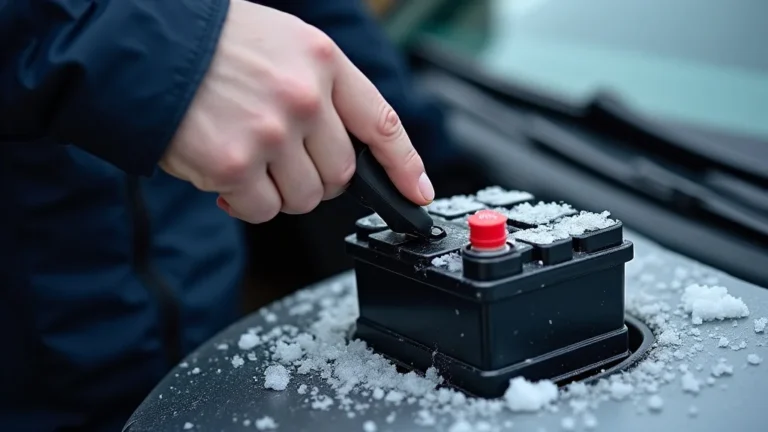
Even though the battery seems good, it is important to double-check. Start by looking at the battery terminals to make sure they’re clean and correctly connected. Corrosion can prevent the battery’s power from reaching the car’s electrical system, even if the battery itself is good. Ensure a tight connection between the terminals and the battery cables. Sometimes, all it takes is tightening a loose cable to get the car running.
- Check the Terminals: Look for corrosion (white or green build-up). Clean the terminals with a wire brush and a mixture of baking soda and water.
- Tighten the Connections: Make sure the battery cables are securely fastened to the terminals. Use a wrench to tighten them.
- Test the Battery: Even if the lights work, the battery might still be weak. Use a multimeter to check the voltage. A fully charged battery should read around 12.6 volts.
- Examine the Cables: Look for any fraying, damage, or breaks in the battery cables. Replace damaged cables.
Many times, a simple loose connection or corrosion is to blame. Before diving into more complicated fixes, verify the basic electrical path from the battery to the car’s systems. If you see white or green stuff on the battery terminals, it’s a sign of corrosion. It’s best to clean it off. A good connection can solve the problem quickly.
Checking Fuses and Relays
Fuses and relays protect your car’s electrical circuits from damage. A blown fuse can prevent power from reaching the starter, fuel pump, or ignition system. Relays act as switches, and if one fails, it can disrupt the flow of electricity. Locating and checking these components is often easy, and replacing a blown fuse is a simple fix. A blown fuse is a common reason why a car won’t start.
- Locate the Fuse Boxes: Your car will have at least two fuse boxes: one under the hood and one inside the car.
- Check the Fuse Diagram: Look in the owner’s manual to find the fuse locations for the starter, ignition, and fuel pump.
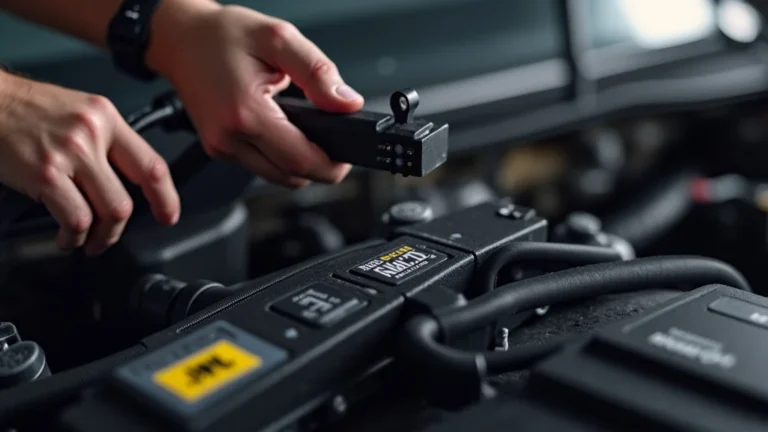
- Inspect the Fuses: Pull out each fuse and look for a broken wire inside. Use a fuse puller tool to make this easier.
- Test the Relays: Relays are more complex, but you can swap similar relays to see if the problem gets solved.
Your owner’s manual is critical here. It has the diagrams showing what each fuse does. Fuses are often the weak link in the electrical system, so it is a good idea to check them. Swapping out a relay may provide information to the problem quickly. For instance, if the starter relay is bad, replacing it might let your car start right away. If it works, you know it was the relay.
Testing the Starter Motor and Solenoid
If you’ve checked the battery and fuses, the next step is to examine the starter. You can listen for sounds when you turn the key, or you can check for voltage at the starter motor. If you suspect a problem with the starter solenoid, which is a component of the starter, you can try some simple tests to see if it’s working. Troubleshooting the starter can help identify whether you have a bigger issue.
- Listen for Clicks: Have someone turn the key while you listen for a “click” sound. This indicates the solenoid might be working, but the starter motor isn’t.
- Check the Voltage: Use a multimeter to check the voltage at the starter motor when the key is turned. You should read close to battery voltage.
- Tap the Starter: Sometimes, tapping the starter motor with a hammer can help it work temporarily if the brushes are worn. Be careful and not too aggressive.
- Jump the Starter: With caution, you can jump the starter directly to see if it turns the engine over. This requires some car experience, though.
A bad starter motor might make a clicking sound, or it may not make any sound at all when you try to start the car. A multimeter is a useful tool for these tests; it lets you check if the starter is getting power. If the starter has issues, you can sometimes get it to work temporarily by tapping it with a hammer, but this is a temporary fix. It’s always best to get the starter tested by a professional.
Advanced Diagnostics and Solutions
If basic troubleshooting doesn’t fix the problem, you may need to perform more advanced diagnostics. This may involve using specialized tools such as an OBD-II scanner to read error codes. Problems with the ignition, fuel system, or other components are often best left to a professional. This section will guide you through more complex processes.
Using an OBD-II Scanner for Error Codes
Modern cars have an On-Board Diagnostics (OBD-II) system that can detect and store problems. An OBD-II scanner is a tool that reads these error codes. You plug the scanner into a port under your dashboard, and it displays information about any issues. This is especially helpful if the check engine light is on. The codes provide clues about what is wrong with the car.
- Locate the OBD-II Port: This is usually located under the dashboard on the driver’s side.
- Plug in the Scanner: Connect the scanner to the port and turn on the car’s ignition.
- Read the Codes: The scanner will display any stored error codes.
- Research the Codes: Use the scanner’s manual or search online to find out what each code means.
An OBD-II scanner gives you a great starting point for diagnosing the problem. If a code points to a specific issue, it guides your troubleshooting. The scanner also provides data, which can help you understand what is happening inside your car’s engine. A common code might point to a problem with the crankshaft position sensor, for example. From there, you can start troubleshooting.
Fuel System Inspection and Testing
If you suspect a fuel problem, you can perform several tests. You can listen for the fuel pump when you turn the key or check the fuel pressure at the fuel rail. A blocked fuel filter or a faulty fuel pump can cause issues. Fuel problems can prevent the engine from starting or cause it to run poorly. Thoroughly inspecting the fuel system can reveal the source of the issue.
- Listen for the Fuel Pump: When you turn the key to the “on” position, listen for a humming sound from the fuel tank. This is the fuel pump.
- Check Fuel Pressure: Use a fuel pressure gauge to measure the pressure at the fuel rail.
- Inspect the Fuel Filter: Replace a clogged fuel filter. This is often an easy fix.
- Check Fuel Injectors: You can check fuel injectors by looking for leaks or by checking if the injectors are getting power.
If the fuel pump is not working, it may prevent your car from starting. If there is low fuel pressure, the engine may struggle to start. You can test the fuel pressure by connecting a gauge to the fuel rail. A blocked filter can also lower the pressure. You’ll need to remove it and look for dirt or debris.
Ignition System Diagnostics and Component Replacement
Problems with the ignition system can be tricky to find. You can use a multimeter to check for voltage, and you can test the spark plugs and coils to ensure they are working correctly. It is important to know that replacing ignition components is necessary if the system doesn’t generate a spark. This could be due to a faulty ignition coil, distributor, or even the crankshaft position sensor.
- Check for Spark: Remove a spark plug and connect it to its wire. Have someone crank the engine while you check for a spark.
- Test the Ignition Coil: Use a multimeter to test the primary and secondary resistance of the ignition coil.
- Inspect the Distributor: If your car has a distributor, check the rotor, cap, and points.
- Replace Faulty Components: Replace any worn-out or damaged components, such as spark plugs, ignition coils, or the crankshaft position sensor.
Without spark, the engine won’t run. So, checking your spark plugs is a good step. If you’re not getting a spark, you will need to start checking the components. A quick check of the spark plugs is a good starting point. If the spark plugs are not firing, you may have an ignition coil issue. You may need to replace them to get your car running again.
Real-Life Examples and Scenarios
Understanding real-world cases helps to troubleshoot problems better. Here are some scenarios that commonly happen when your car won’t start but battery is good, including what may have caused the problem and how it was solved.
- Case Study 1: The Clicking Sound
A driver turned the key, and the car only made a single “click” sound. The lights and radio worked, and the battery tested at a full 12.6 volts. After checking fuses, it was found that the starter solenoid had failed. This happens because the solenoid is an electromechanical switch that engages the starter motor. Replacing the solenoid solved the issue.
- Case Study 2: No Cranking at All
A car wouldn’t make any noise when starting, and the lights were dim when the key was turned. Even though the battery was fairly new, the owner tested the connections. Upon closer inspection, the battery terminals were dirty, and the battery cables were loose. Cleaning the terminals and tightening the cables restored the connection, and the car started immediately.
These real-world cases show how the different pieces of the puzzle come together when figuring out what’s wrong with your car. The examples provide insight on what can go wrong and what to do when your car won’t start but battery is good. A clicking noise is often a telltale sign. You should also check the battery connections when you experience dim lights. These real-world examples can provide you with knowledge of how to solve the problem.
Understanding Car Starting Components
A deeper knowledge of how each component works can provide a good basis for understanding your car. By knowing the function of each part, you can better identify where the problem is when you’re trying to figure out why your car won’t start. This includes parts such as the starter motor, the ignition switch, the fuel pump, the fuel injectors, and the spark plugs. This information helps with accurate diagnostics.
The Starter Motor and Solenoid Explained
The starter motor, connected to the engine’s flywheel, is a key component in starting your car. The starter is an electric motor that, when activated, turns the engine over. The solenoid is like a switch that engages the starter. When you turn the key, the solenoid receives an electrical signal, which then activates the starter motor. This system is crucial because it ensures that the engine can start without human intervention.
- The Starter Motor: An electric motor that physically turns the engine over to start it.
- The Solenoid: An electromagnet that engages the starter motor when you turn the key.
- Flywheel: The large gear that the starter engages to turn the engine.
- Electrical Wiring: The wires that send power from the battery to the starter and solenoid.
The starter motor gets its power directly from the car’s battery. A broken starter means the engine will not turn over. The solenoid plays a crucial role in enabling the start. If the solenoid fails, you may get a clicking sound. A failing starter motor is a common cause when the car won’t start but battery is good, which you can usually verify by turning the key and listening to the noise it makes.
Decoding the Ignition System
The ignition system is the command center that helps in starting your car. It starts with your key or the start button, and it sends the correct signals to the various components. The ignition switch, fuses, relays, and the immobilizer all contribute to making sure the car starts. If any part of this system is faulty, your car may not start.
- Ignition Switch: The switch that you turn with your key to start the car.
- Fuses and Relays: Electrical components that protect the ignition system from overloads.
- Ignition Module: This module manages the timing of the spark and fuel injection.
- Immobilizer System: An anti-theft system that prevents unauthorized starting.
The immobilizer is a modern feature that can prevent the car from starting if the key isn’t recognized. Fuses are in place to stop electrical problems. If one of these parts is damaged, the car may not start, even though the battery is good. When the car won’t start but battery is good, you may want to focus on this system. It has all the components to enable the start.
Fuel System Basics: Fuel Pump, Filter, and Injectors
The fuel system delivers gasoline to the engine, which is another vital piece of the starting puzzle. The fuel pump, fuel filter, and fuel injectors work together to deliver the fuel needed for the engine to run. If any of these parts malfunction, your car won’t start, or it will run roughly. Understanding these components helps you troubleshoot fuel-related problems.
- Fuel Pump: It moves fuel from the fuel tank to the engine.
- Fuel Filter: It cleans the fuel before it reaches the engine.
- Fuel Injectors: They spray fuel into the engine cylinders.
- Fuel Lines: They transport the fuel from the fuel tank to the engine.
The fuel pump is often in the fuel tank, and a faulty fuel pump can stop the car from starting. A clogged fuel filter will reduce fuel delivery and will make it hard for the car to start. Fuel injectors are responsible for injecting fuel into the engine cylinders. They may become clogged. Problems in the fuel system are a common cause when the car won’t start but battery is good.
Frequently Asked Questions
Question: What does it mean when I hear a clicking sound when I turn the key?
Answer: A clicking sound usually means the solenoid on the starter motor is working, but the motor itself may not be. It could also indicate a weak battery, a loose connection, or a failing starter motor.
Question: Why does my car start sometimes but not others?
Answer: This can be due to a loose connection, an intermittent fault in the starter motor, or a problem with the ignition switch. Temperature changes can also affect starting.
Question: How do I check if my fuel pump is working?
Answer: You can often hear the fuel pump briefly when you turn the key to the “on” position. You can also use a fuel pressure gauge to measure fuel pressure at the fuel rail.
Question: What’s the role of the immobilizer in preventing my car from starting?
Answer: The immobilizer is an anti-theft system. If the car’s computer doesn’t recognize your key, it prevents the engine from starting to protect your car from theft.
Question: Can a bad spark plug prevent my car from starting?
Answer: Yes, a bad spark plug can prevent a car from starting, as it cannot ignite the fuel-air mixture in the cylinders. The car will not run.
Final Thoughts
When the car won’t start but battery is good, it is frustrating. As we explored, the problem can be from many things, from a faulty starter or fuel pump to issues in the ignition system. Often, it begins with checking the battery connections, the fuses, and listening for any unusual sounds. If it sounds like a bad starter, then this is something you should consider. You can use an OBD-II scanner to find out if there are any error codes. A deeper understanding of the system helps troubleshoot your car effectively.
If you’ve followed these steps and are still unsure, don’t hesitate to seek help from a professional mechanic. Don’t let a starting problem ruin your day. With a bit of patience and by following these steps, you can explore the issue. Remember to stay safe and never work on a car without the proper tools and knowledge. Getting your car up and running may require some time, but by taking the right steps, you can get your car started again and avoid unnecessary expenses.