Alternator Charging Low Voltage: A Beginner’s Guide to Troubles
If you’re new to car maintenance, encountering alternator charging low voltage can seem frustrating. Many people face this issue because car electrical systems can be tricky. Don’t worry, it’s a common problem, and figuring it out is doable. This guide simplifies the process, offering a clear, step-by-step solution to get your vehicle back on track. Let’s start with the basics to pinpoint the cause and how to easily resolve it.
What Causes Low Voltage from Your Alternator?
Low voltage from your alternator can make your car hard to start, dim headlights, and make your electronic systems unreliable. This can arise for many different reasons, varying from worn-out parts to wiring problems. Identifying the root of the issue is critical to repairing it effectively. The alternator’s job is to supply the electrical system in your car, especially when the engine is running. When the voltage is low, this core function is compromised, meaning it may not perform its job correctly. Let’s explore several possible reasons for this, and how you can identify each one.
Faulty Alternator
A damaged alternator is a primary cause for low voltage output. Alternators are crucial components within a car’s electrical structure. They are responsible for producing electrical power. The alternator has several internal parts, including a rotor, stator, rectifier, and voltage regulator. Over time, these parts might wear out or fail, resulting in insufficient voltage production. A bad alternator often fails to generate the required 13.5 to 14.5 volts to keep the battery charged. This can stem from worn-out brushes, a failing rectifier, or a problem with the stator windings. Diagnosing a faulty alternator commonly involves testing its voltage output under different loads or looking for physical damage.
- Worn Brushes: The alternator brushes transfer current to the rotor. They’re made from a carbon-based material that wears down with use. Worn brushes can’t maintain good contact, which reduces the output.
- Damaged Rectifier: The rectifier converts the AC power generated by the stator into DC power. If the rectifier fails, the alternator might not charge the battery properly.
- Stator Coil Problems: The stator windings produce the AC power. Short circuits or open circuits in these windings can drastically reduce the alternator’s output.
Battery Issues
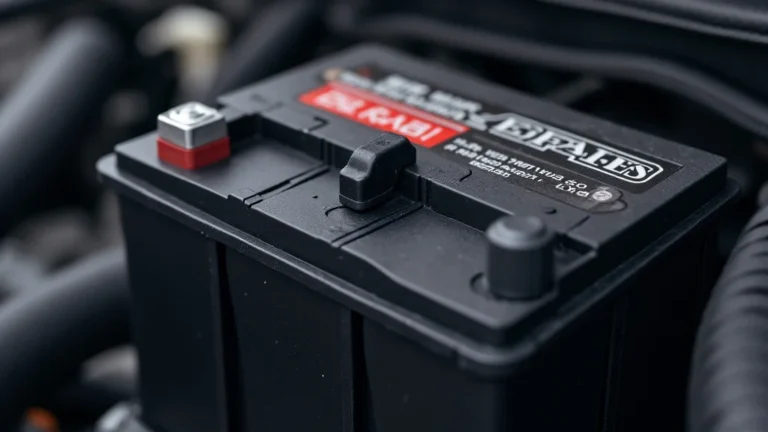
The health of your car’s battery also impacts the alternator. A weak or bad battery can place a large load on the alternator, making it struggle to maintain proper voltage. A battery stores the electrical energy needed to start the car and power the vehicle’s electrical systems when the engine is off. When the battery is damaged, it might not store electrical energy effectively. It can also cause an excessive draw on the alternator, causing it to work harder and possibly reducing its lifespan. This is particularly noticeable when starting the engine because a bad battery may draw too much power, lowering the voltage available for the rest of the car’s electrical components. It’s important to check the battery before investigating the alternator, as a bad battery could mask a problem with the alternator and vice versa.
- Sulphation: This builds up on the battery plates, decreasing its ability to store and release energy efficiently.
- Internal Short: This can cause excessive current draw, causing the alternator to struggle to keep up.
- Old Age: Batteries have a limited lifespan, and as they age, their performance declines, which can place stress on the alternator.
Wiring Problems
Another common cause for low voltage is problems in the wiring, including corroded connections, loose wires, or damaged cables. These issues increase resistance in the electrical system, hindering the current flow and decreasing the voltage. The wiring connects the alternator to the battery and other electrical components. Corroded connections create resistance and lower the efficiency of current flow. Loose wires can interrupt the flow of power, which can lead to intermittent charging problems. Damage to the insulation can cause shorts, which can result in significant voltage drops. Regularly inspecting wiring for damage and corrosion will help prevent problems. You can use a multimeter to check voltage drops across connections to pinpoint issues.
- Corrosion: This builds up on terminals and connectors, increasing resistance.
- Loose Connections: These can interrupt the electrical flow.
- Damaged Wiring: Insulation can wear down and cause short circuits or other problems.
Simple Steps to Test Your Alternator Charging System
To accurately assess an alternator charging system, use the proper tools and follow safe practices. Regular maintenance will help keep your car’s electrical system working. It’s important to follow several easy tests. You can usually find the problems by following simple procedures. Testing your alternator and related parts may help avoid more problems. Always disconnect the negative battery cable before working on electrical components. Safety should always be your top priority. These testing steps can guide you through the process.
Battery Voltage Test
A battery voltage test is an easy way to check your car’s battery state. It helps to tell if the battery is holding a charge correctly. Use a multimeter set to measure DC voltage. You can use this to quickly determine if the battery is in a good working order. First, make sure the car is off and the lights are turned off. Connect the multimeter probes to the battery terminals: red to positive (+), black to negative (-). A fully charged 12-volt battery should read around 12.6 volts or higher. Then, start your car. The voltage should rise to between 13.5 and 14.5 volts. If the voltage remains low, it suggests a charging problem. If it falls significantly, it shows a possible battery problem.
- Ensure the vehicle is off and the engine is cold.
- Attach the multimeter to the battery terminals.
- Check the voltage.
Alternator Voltage Test
This checks the voltage output of the alternator while the engine runs. This test tells you whether the alternator is generating the required voltage. Use a multimeter again, set to measure DC voltage. Start the engine and let it idle. Connect the multimeter probes to the battery terminals. The voltage reading should be between 13.5 and 14.5 volts. This indicates the alternator is properly charging the battery. If the voltage is low, the alternator might not be charging efficiently. Then, turn on the headlights, the air conditioner, and other electrical accessories to put a load on the alternator. The voltage should remain above 13 volts. If the voltage drops too much, this can also suggest an alternator issue. Make sure to keep electrical safety in mind during the test.
- Start the engine and let it idle.
- Use the multimeter to test the voltage at the battery terminals.
- Check the voltage with electrical loads on.
Checking for Voltage Drops
Voltage drop tests find any resistance within the charging system. It helps you find connections or wires that are not working well. A voltage drop occurs when there’s an unnecessary decrease in voltage across a connection or wire, which can be due to corrosion, loose connections, or damaged wires. To perform this test, you’ll need a multimeter and a good understanding of electrical circuits. Start by connecting the multimeter to the positive battery terminal and the alternator’s output terminal, and then start the engine. The voltage drop should be very minimal, ideally below 0.5 volts. Repeat this procedure for the negative side, connecting the multimeter between the negative battery terminal and the alternator’s case or ground connection. The voltage drop should also be very minimal. A high voltage drop tells you there’s too much resistance and an issue in the circuit.
- Ensure the engine is off.
- Start the engine.
- Check the alternator voltage.
The Impact of Low Voltage on Your Car
Low voltage from the alternator impacts several parts of your car. These effects range from minor inconveniences to more serious issues. It can affect the car’s general performance and longevity. Understanding these impacts is key to quickly addressing potential problems and protecting your vehicle. These effects show how vital it is to maintain a healthy charging system.
Performance of Electrical Components
Low voltage can significantly degrade the operation of your vehicle’s electrical components. Most car electrical systems are designed to operate within a specific voltage range, typically around 12 volts or more. When the voltage is low, this can affect various components like lights, the audio system, and the engine control unit (ECU). For example, dim headlights are a common sign of low voltage. Low voltage causes them to shine dimly. The audio system may produce distorted sound, and its functions may cease to operate correctly. The ECU manages the engine’s operations, and if it does not get enough voltage, it can lead to engine performance issues, like decreased fuel efficiency, rough idling, or difficulty starting. The electrical systems are not working correctly because the low voltage causes them to struggle, thereby impacting overall car performance.
- Dim Lights: Headlights, taillights, and interior lights may appear dim.
- Weak Audio: The audio system may sound weak or have static.
- Engine Problems: Rough idling or starting issues can occur.
Battery Life
Low voltage can also decrease the lifespan of your car’s battery. The alternator is vital for maintaining the battery’s charge. It is designed to provide the necessary power to recharge the battery during the drive. When the alternator outputs insufficient voltage, the battery does not receive enough charge. This can cause the battery to slowly drain and lose its charge. Consistent undercharging will lead to sulphate formation on the battery plates, which reduces the battery’s capacity and overall performance. The battery has to work harder to power your vehicle. Low voltage can even cause the battery to completely fail before its expected lifespan. Maintaining a good charging system is vital to preserving battery health. Regularly check the alternator’s performance and address any voltage issues.
- Undercharging: The battery might not be fully charged.
- Sulfation: Reduced battery life because of a buildup of sulfate crystals.
- Premature Failure: The battery can fail sooner than expected.
Engine Operation and Safety
Low voltage can impact the performance and safety of your engine. The engine control unit (ECU), fuel injectors, ignition system, and other parts depend on a steady supply of power to operate correctly. Insufficient voltage will cause the ECU to malfunction, possibly triggering the engine to run roughly or stall. Fuel injectors may not deliver the correct amount of fuel, leading to fuel economy issues and loss of power. The ignition system can provide a weak spark, which will result in misfires and poor acceleration. In extreme situations, these problems can cause your car to stall while driving. This may significantly increase the danger of accidents. Regular checks and maintenance of your car’s electrical system, including its voltage output, can help ensure your engine runs smoothly and safely.
- Misfires: Engine misfires can occur due to a weak spark.
- Stalling: The engine may stall while driving.
- Reduced Performance: The car will feel less powerful.
Common Repairs for Low Voltage Issues
Correcting low voltage issues involves various repairs. These fixes address a range of problems, from straightforward replacements to more intricate electrical work. Identifying the problem will determine the appropriate repair. Regularly maintain your vehicle to ensure its optimal performance. It is important to know which parts you can fix and which need to be replaced.
Alternator Replacement or Repair
If the alternator is the source of the low voltage,
- Replacement: A new alternator is often the best solution.
- Voltage Regulator: Replacing the voltage regulator can fix charging issues.
- Rectifier Repair: Replacing or repairing the rectifier.
Battery Replacement
If the battery tests weak or fails, replacing it is required. Batteries have a finite lifespan, and repeated deep discharges will damage them. It is important to select the correct battery for your car’s specifications. Select a battery that meets or exceeds the specifications recommended by the car manufacturer. Ensure the battery has the right cold cranking amps (CCA) and reserve capacity for your climate and driving style. Properly install the new battery and make sure the terminals are clean and tight to ensure optimal performance. In situations where the battery is not completely discharged, a battery charger will charge the battery back up. Make sure the charger is compatible with your battery type, such as lead-acid or AGM, for safe and effective charging. This may save the battery if the damage is minimal. However, if the battery is severely damaged, replacement is still required.
- Correct Battery: Choose a battery that matches your car’s needs.
- Installation: Ensure correct installation of the battery.
- Battery Chargers: Utilize a charger to keep your battery in good condition.
Wiring and Connection Repairs
Addressing wiring problems, like corroded connections or damaged wires, is critical. Corroded connections create resistance and can lower voltage. Inspect all wiring, from the alternator to the battery and throughout the car’s electrical system. Look for any visible damage like frayed or exposed wires, which should be repaired. Also, clean all electrical connections with a wire brush and electrical cleaner to remove corrosion and ensure good contact. Replacing damaged wires or connectors will restore the proper flow of electricity. Secure the wiring with wire ties. This will stop wires from rubbing or getting damaged. After completing the repairs, run voltage drop tests to ensure the charging system is working correctly. This step confirms the resistance in the system is low and the charging system is efficient.
- Cleaning Connections: Remove any corrosion and debris.
- Replacing Wires:
- Securing Wires: Prevent chafing and other damage to wires.
Frequently Asked Questions
Question: Why is my car’s voltage low when the engine is running?
Answer: Low voltage during engine operation suggests an issue with the alternator, which may not be generating enough power to charge the battery. Possible issues include a damaged alternator, worn brushes, or a defective voltage regulator.
Question: How can I tell if my alternator is bad?
Answer: Dim headlights, a dead battery, and the battery warning light coming on can indicate an alternator problem. You can check the voltage at the battery terminals while the engine is running to test for proper charging.
Question: What’s the correct voltage output for an alternator?
Answer: A functioning alternator should produce between 13.5 and 14.5 volts while the engine is running. Anything below that may mean your car is not getting adequate power.
Question: Is it safe to drive with low alternator voltage?
Answer: It is not recommended to drive with low voltage. The electrical systems may not function properly and can leave you stranded. It also increases the risk of damage to the car’s electrical components and battery.
Question: Can I fix low voltage on my own?
Answer: Many tests can be performed by the car owner to diagnose the cause of low voltage. Simple tasks like cleaning battery terminals or checking wiring can often be done by a car owner. However, more difficult tasks like replacing or repairing the alternator may require the skills of a mechanic.
Final Thoughts
Understanding alternator charging low voltage and knowing the steps to diagnose the issue will help you keep your car running smoothly. From testing the battery and alternator output to examining wiring, each step plays an important part in solving the problem. Regular maintenance and paying attention to signs like dim lights or difficulty starting your car can help you avoid problems. By following the tips and fixes in this guide, you can improve the performance and dependability of your vehicle. Keep your car’s electrical system in good shape. With a little care and the right know-how, you can deal with low voltage issues confidently and keep your car running reliably.