Battery Terminal Won’t Tighten? Simple Fixes for a Secure Connection
Having a battery terminal won’t tighten is a common frustration, especially if you’re new to car maintenance. It can seem tricky, but don’t worry – it’s often a straightforward issue. The good news is that you don’t need to be a mechanic to solve it. We’ll explore the main causes and provide a simple, step-by-step solution. We’ll cover everything you need to know to get your car running smoothly again.
Reasons Why a Battery Terminal Won’t Tighten
There are several reasons why your battery terminal might fail to tighten properly, leading to a loose connection. This can range from simple corrosion to more complex issues with the terminal itself. Knowing the likely causes helps you pinpoint the problem and choose the correct solution. Let’s explore the most common culprits. From buildup to damage, identifying the cause is the first step toward fixing the problem. Understanding these issues will make the repair process easier.
Corrosion Buildup on Battery Terminals
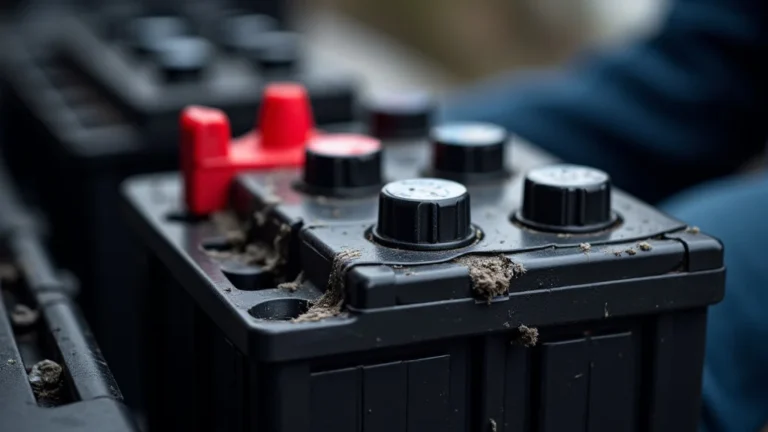
One of the primary causes of a battery terminal that won’t tighten is corrosion. Corrosion is a chemical reaction that occurs when the battery’s acid reacts with the metal of the terminals and the air. This reaction creates a white, powdery substance. This buildup prevents a solid connection. It effectively acts as an insulator, stopping the electricity from flowing efficiently. Corrosion can make the terminal too thick. This prevents the clamp from clamping down on the battery post tightly. Regular cleaning can prevent these problems.
- Acid Leaks: The acid inside the battery can sometimes leak, leading to corrosion. This often happens around the terminals and can quickly build up. These leaks usually happen due to cracked casing or old age.
- Types of Corrosion: The most common form is a white, crusty deposit. You might also see blue or green corrosion, which is a mix of battery acid and copper from the terminals. Both kinds prevent a tight grip.
- Signs of Corrosion: Besides a loose terminal, you might also see your car having trouble starting. You might notice dim headlights or other electrical problems.
- Preventive Measures: To prevent corrosion, you can apply a battery terminal protector. This spray creates a barrier that stops acid from coming into contact with the metal. Regular inspections help identify problems.
Corrosion isn’t just an eyesore; it’s a major cause of electrical problems. If left unchecked, it can lead to starting failures. Regular cleaning can extend the life of your battery and related components. This routine maintenance is an essential part of car upkeep. Remember to clean the terminals before you tighten them.
Damaged or Worn Battery Terminals
Over time, the battery terminals themselves can become damaged or worn. This can happen from repeated tightening and loosening, or from physical impacts. When the terminal gets damaged, the clamp might not be able to grip the battery post correctly. The metal can deform. That prevents a tight connection. Replacing damaged terminals is often the best solution. Otherwise, you’ll constantly battle a loose connection. Regular inspections are important for identifying problems.
- Types of Damage: Damage can include cracks, splits, or the metal simply being worn down. Sometimes, the threads on the bolt that tightens the terminal get stripped. This won’t allow the terminal to grip.
- Material Issues: Terminals made from cheaper metals can be more prone to damage and corrosion. Higher-quality terminals use better materials. They’re more resistant to these problems.
- Impact Damage: If the battery is jarred or bumped, the terminals can get damaged. This is especially true if the battery isn’t properly secured.
- Testing for Damage: Try to wiggle the terminal. If it moves easily, or if the bolt doesn’t tighten, the terminal is likely damaged. Also inspect for cracks or deformations.
Damaged terminals can cause a cascade of electrical issues, from starting problems to failures. Addressing this issue promptly is important. This will prevent more extensive damage to your car’s electrical system. This can be more serious than just the battery terminal won’t tighten problem.
Incorrect Terminal Size or Battery Post Dimensions
Another area of concern is mismatched components. The battery terminals must match the size of the battery posts. A loose connection can happen if either is incorrect. If the terminal is too large, it won’t tighten. If it’s too small, it won’t fit properly. Always make sure the parts fit.
- Standard Sizes: There are standard sizes for battery posts and terminals. Most cars use a top-post battery, where the terminals connect at the top. The positive post is usually slightly larger than the negative one.
- Terminal Types: You can find different types of terminals, including side-post and top-post terminals. It’s important to make sure the terminal matches the battery type. Make sure the clamp is correct.
- Battery Post Damage: Sometimes, the battery post itself gets damaged. This can include being worn down or having its shape altered. This will prevent a good connection.
- Checking Compatibility: Before you buy a new battery or terminal, confirm the size and type required by your car’s manual. Verify the fit.
A proper fit is essential for a reliable electrical connection. An incorrect size can lead to starting problems, electrical failures, and potentially damage to your car’s electrical system. Always check for proper fitting before connecting. This will reduce problems later on.
Easy Steps to Fix a Battery Terminal Won’t Tighten
Now that we’ve discussed the reasons why the battery terminal won’t tighten, here’s how to fix it. These steps offer a clear and simple method to diagnose and correct the problem. It requires some common tools and a few minutes of your time. This method involves a step-by-step approach. You can get your car started quickly.
Gather Your Tools and Materials
Before you begin, gather the necessary tools. Having everything ready saves time and makes the process smoother. Ensure you have everything you need. This will make your job easier. This preparation helps ensure a safe and successful outcome.
- Tools: You’ll need basic tools, including a wrench or pliers to loosen and tighten the terminal, a wire brush or terminal cleaner to remove corrosion, and safety glasses to protect your eyes.
- Materials: Get baking soda and water to neutralize acid. You can find terminal protector spray at auto parts stores. A replacement terminal might also be required.
- Safety: Always wear safety glasses to protect your eyes from acid or debris. Work in a well-ventilated area. Disconnect the negative terminal first. Connect it last.
- Check Your Battery: Make sure your battery is in good condition. If it is leaking or damaged, you may need a new one. It’s best to handle a good battery.
Having the right tools and materials makes the job much easier. It also helps you stay safe while you work. Remember, working with batteries requires care. Always take precautions.
Step-by-Step Terminal Cleaning
Cleaning the terminals is often the first step in fixing the problem. Remove corrosion and make a clean contact surface. You can often solve a battery terminal won’t tighten problem by cleaning alone. Here’s a simple guide.
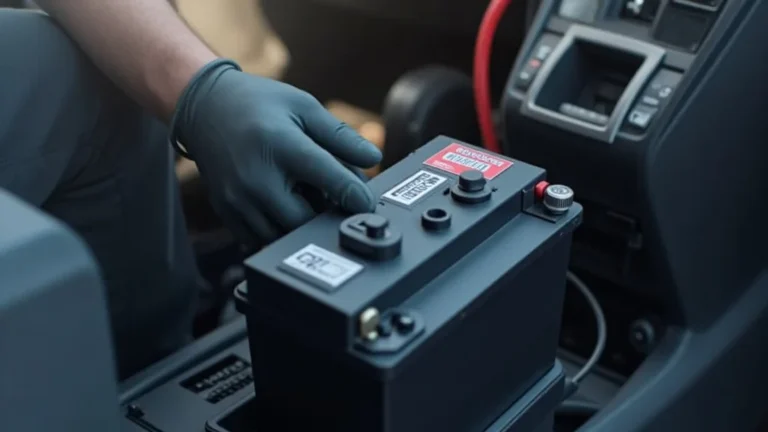
- Disconnect the Negative Terminal: Using a wrench, loosen the nut on the negative (-) terminal. Carefully remove the terminal from the battery post. This prevents electrical shorts.
- Clean the Terminals: Mix a paste of baking soda and water. Apply this to the terminals and the battery posts. Let it sit for a few minutes to neutralize acid. Use a wire brush or terminal cleaner to scrub away corrosion.
- Rinse and Dry: Rinse the terminals and posts with water to remove the baking soda solution. Wipe them dry with a clean cloth. Make sure all the solution is gone.
- Inspect and Reconnect: Inspect the terminals for damage or wear. If they look good, reconnect the negative terminal first. Make sure the connection is snug.
Proper cleaning restores a good electrical connection. After cleaning, the terminal should tighten easily. If the problem continues, there might be other issues to address. Be certain to take your time.
If Cleaning Doesn’t Work: Terminal Replacement and Repair
If cleaning doesn’t solve the problem, then consider replacing the terminal. This approach is for damaged or worn terminals. It offers a permanent solution and often gets your car running again. If a battery terminal won’t tighten after cleaning, this is the solution.
- Assess the Damage: Check for cracks, breaks, or stripped threads. If the terminal is severely damaged,
- Remove the Old Terminal: Loosen the terminal completely and remove it from the battery post. If it’s a bolt-on terminal, unscrew it.
- Install the New Terminal: Place the new terminal over the battery post. Tighten the nut or bolt securely. Make sure it has a good grip.
- Test the Connection: Once the terminal is in place, try to wiggle it. It should not move easily. Start your car. Verify the connection.
Replacing a terminal can seem difficult, but it’s a manageable task. Replacing damaged terminals gets your electrical system working correctly. It restores proper function. Taking the time to do it is a worthwhile investment.
Real-World Examples and Troubleshooting
Sometimes, real-world examples and additional troubleshooting steps are necessary. Knowing how the methods apply in various situations will make sure the problem is solved. The following examples show how the methods can work. Here are some real-life case studies and solutions.
Case Study 1: Sarah’s Car
Sarah’s car suddenly wouldn’t start one morning. Upon inspection, the battery terminals were covered in a thick layer of white corrosion. She cleaned the terminals with baking soda and water, and used a wire brush. After cleaning, she reconnected the terminals and her car started right up. The solution was simple. The results were immediate.
Case Study 2: Mark’s Truck
Mark’s truck frequently had starting problems. After cleaning the terminals, the problems persisted. Upon closer inspection, he found one terminal was significantly damaged. He replaced the terminal. The problem was fixed. The truck started reliably. This eliminated the repeated issue.
- Corrosion Prevention: Apply a battery terminal protector spray after cleaning and before reconnecting the terminals. This adds a barrier. This will slow down future corrosion.
- Tightening Issues: If a terminal won’t tighten, it might be due to a stripped bolt. Using a terminal shim can often provide a temporary fix. It allows you to create a tighter connection.
- Dealing with Extreme Corrosion: If the corrosion is severe, wear gloves and eye protection. Use a stronger cleaner, such as a commercially available terminal cleaner. Follow the instructions.
These examples highlight the importance of proper diagnosis and repair. They also provide practical applications of the methods described. These steps will make sure the problem is solved. Taking the time to properly solve the problem will prevent repeated issues.
Battery Terminal Won’t Tighten Problems, and How to Prevent Them
Preventative steps prevent future problems. Making a few basic checks will make sure that the battery terminal won’t tighten problem does not reappear. Proactive care is simpler than dealing with the issues. You can avoid many battery terminal problems by taking a few steps.
Regular Inspections and Maintenance
Regular inspections and maintenance are essential. This will identify and resolve problems before they become serious. They can extend the life of your battery and related components. Regular checks can catch problems before they start. Regular maintenance can save you time and money.
- Check for Corrosion: Examine the battery terminals and posts. This inspection can identify early signs of corrosion. The inspection can also identify leaks.
- Tightness Check: Periodically check the tightness of the terminals. Make sure the nuts or bolts are secure. This will ensure they make proper contact.
- Cleaning Schedule: Clean the terminals every few months. The frequency depends on your driving conditions and the age of the battery. Preventative cleaning can extend the battery’s life.
- Professional Inspection: Have a professional inspect your battery and terminals during regular servicing. This professional service can catch and resolve issues.
Regular maintenance ensures that your car’s electrical system remains reliable. It prevents the battery terminal won’t tighten problem and other issues. Taking the time to care for your battery is a sound investment. It reduces the chance of problems.
Using Terminal Protectors and Anti-Corrosion Products
Using terminal protectors and anti-corrosion products is essential for prevention. These products create a barrier. They will protect the terminals from corrosion. They extend the life of your battery and reduce the risk of electrical problems. These products help prevent the problem.
- Terminal Protector Sprays: Apply these sprays after cleaning. They coat the terminals. This prevents moisture and acid from causing corrosion. Always follow instructions.
- Anti-Corrosion Grease: Applying a small amount of dielectric grease on the terminals prevents corrosion. This also helps with conductivity.
- Corrosion-Resistant Terminals: Consider using terminals made from corrosion-resistant materials. These will be more durable and long lasting.
- Battery Mat: A battery mat can catch spills. It protects against acid leaks. This also prevents damage to other vehicle parts.
Using protective products is a small step with big benefits. By adding these protective steps, you can greatly reduce the chances of encountering a battery terminal won’t tighten issue. These products reduce the need for repairs. They also help with performance.
Frequently Asked Questions
Question: What do I do if the battery terminal bolt is stripped?
Answer: If the bolt is stripped, you have a few options. You can try using a terminal shim to help tighten the connection. You can also replace the terminal completely. A new terminal will provide a secure connection.
Question: How often should I clean my battery terminals?
Answer: Ideally, clean your battery terminals every few months. The frequency depends on your climate and driving conditions. Inspect your terminals every month.
Question: Can I use household items to clean battery terminals?
Answer: Yes, you can use a mixture of baking soda and water to clean battery terminals. This is a common and effective method. You will need a wire brush to scrub away corrosion.
Question: What is a battery terminal protector, and should I use it?
Answer: A battery terminal protector is a spray or a coating that you apply to the terminals after cleaning. It forms a protective barrier to prevent corrosion. It is an excellent preventative step.
Question: What are the dangers of a loose battery terminal?
Answer: A loose battery terminal can cause starting problems, dim lights, and electrical failures. It can also damage the battery and other electrical components. A loose terminal can cause a fire hazard.
Final Thoughts
When you find your battery terminal won’t tighten, it can be a source of frustration, but the fixes are usually manageable. Whether it’s corrosion buildup, damaged terminals, or a mismatch in size, understanding the reasons will allow you to quickly assess the issue. Cleaning or replacing the terminals can solve the problem. Performing regular maintenance, using protective products, and following the steps outlined here will make sure that your car’s electrical system runs smoothly. Regular care goes a long way. This will save you time and future problems. Take the time to regularly check your battery terminals. This will keep your car reliable. These tips are all you need.