Car Battery Corrosion Causes Explained Simply
Dealing with car battery corrosion causes can seem tricky if you’re new to car maintenance. It’s a common issue that many car owners face, but don’t worry! This guide will break down the reasons why it happens in a straightforward way. We’ll explore the main culprits behind that crusty build-up on your battery terminals, making it easy for you to spot the problem and take action. Get ready to learn some simple steps to prevent and fix battery corrosion, so your car starts reliably every time. Let’s get started!
Understanding Car Battery Corrosion Basics
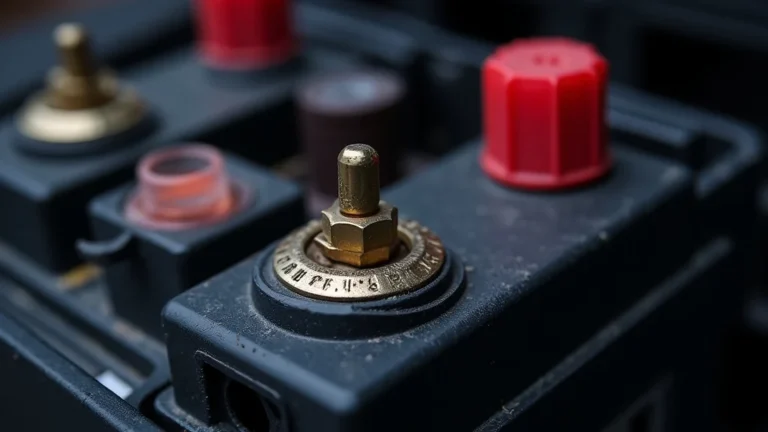
Before exploring the specific car battery corrosion causes, it’s vital to grasp what corrosion is and why it’s a problem. Car battery corrosion is a chemical reaction, often seen as a white, green, or blue powdery substance that accumulates on the battery terminals and surrounding components. This isn’t just an aesthetic issue; it can severely impact your car’s electrical system, potentially leading to starting problems, reduced battery life, and even damage to other parts of your vehicle. The primary cause is the reaction between battery acid, released gases, and the materials that make up the battery terminals and surrounding components. These elements combine to create a corrosive environment that slowly eats away at the battery terminals and cables.
What is Corrosion Exactly?
Corrosion, in the context of a car battery, is a form of oxidation. This chemical process occurs when certain metals, usually lead in the case of battery terminals, react with their environment. The most common catalysts for this reaction are battery acid (sulfuric acid) and the gases emitted by the battery. The chemical reaction between these substances and the metal terminals creates compounds that result in the characteristic crusty buildup. This buildup can act as an insulator, preventing the free flow of electricity, and ultimately, your car won’t start. This chemical process is why inspecting your car battery is necessary.
- Electrolyte Leakage: Battery acid, or electrolyte, can leak from the battery due to cracks, loose caps, or overfilling. This leakage directly contacts the terminals and causes corrosion.
- Hydrogen Gas Production: Batteries produce hydrogen gas as a byproduct of the chemical reactions inside. This gas, especially when combined with other compounds, can accelerate corrosion.
- Environmental Factors: Extreme temperatures and humidity can also influence corrosion. Heat can speed up the chemical reactions, and moisture can provide the necessary environment for corrosion to thrive.
Spotting the Signs of Corrosion
Recognizing the signs of corrosion early can save you from bigger problems. Initially, you might notice a white or greenish powder on the battery terminals and around the terminals. This is the first indication of a problem. If left unchecked, this powder will build up, becoming thicker and potentially spreading to the battery cables and surrounding components. Additionally, you may experience difficulty starting your car, flickering headlights, or electrical issues. Addressing these problems immediately is critical to your vehicle’s health.
- Visual Inspection: Regularly check the battery terminals for any visible signs of corrosion. This can be as simple as popping the hood and taking a quick look.
- Difficulty Starting: If your car struggles to start, especially in cold weather, corrosion might be the culprit.
- Electrical Issues: Problems with lights, the radio, or other electrical components can indicate corrosion-related issues.
Primary Causes of Car Battery Corrosion
Several factors contribute to the car battery corrosion causes. The most common is the reaction of battery acid with metal components. However, other issues, such as overcharging, can exacerbate the problem. By understanding these root causes, you’ll be better equipped to prevent and manage corrosion. In most cases, these causes stem from the normal operation of the battery combined with external factors.
Battery Acid and Its Role
The electrolyte inside a car battery is typically a mixture of sulfuric acid and water. This acid is the working fluid that allows the battery to generate electricity. However, it’s also highly corrosive. When this acid comes into contact with the metal components of the battery, such as the terminals, it initiates a chemical reaction. This is the primary driver of corrosion. The reaction creates corrosion products, which build up over time. Therefore, maintaining the battery’s integrity and preventing acid leakage is crucial for preventing corrosion.
- Electrolyte Composition: The concentration of sulfuric acid in the electrolyte is essential. If the acid is too strong, it can accelerate the corrosion process.
- Leakage Points: Batteries may leak acid through cracks, damaged seals, or loose caps, allowing the acid to come into contact with metal components.
- Overfilling: Overfilling the battery with water can cause acid to spill out, increasing the risk of corrosion.
Gassing and Hydrogen Sulfide
Car batteries, during their normal operation, emit gases, mainly hydrogen and, to a lesser extent, hydrogen sulfide. These gases are released during the charging process. When these gases interact with the metal terminals and the moisture present in the atmosphere, they can accelerate corrosion. The presence of hydrogen sulfide, a byproduct of the chemical reaction, can further amplify the issue, producing a characteristic rotten egg smell. Managing and venting these gases properly is necessary to prevent excessive corrosion.
- Charging Process: During charging, batteries release gases due to the electrolysis of water in the electrolyte.
- Ventilation Issues: If the battery isn’t properly vented, the buildup of gases can increase the rate of corrosion.
- Sulfide Compounds: The presence of sulfur compounds exacerbates corrosion by forming corrosive salts on the terminals.
The Effects of Environmental Factors
Besides internal processes, external factors play a role in car battery corrosion causes. The weather and conditions around the battery can impact how quickly and severely the corrosion sets in. For example, extreme temperatures can significantly speed up the chemical reactions that cause corrosion. Also, humidity and moisture in the air create a better environment for these reactions to occur. It’s necessary to consider these external factors when maintaining your car’s battery and its surroundings.
Temperature Extremes and Their Impact
Temperature significantly influences the rate of corrosion. Heat accelerates chemical reactions. High temperatures can speed up the rate at which battery acid reacts with metal components. This is why you may notice increased corrosion during the warmer months. Conversely, cold temperatures can slow down the corrosion process. However, very cold temperatures can also reduce the battery’s overall performance, making it more susceptible to starting problems. Hence, maintaining a stable temperature range is ideal for battery health.
- Hot Weather: Increases the speed of chemical reactions, leading to faster corrosion.
- Cold Weather: Slows down chemical reactions, but can reduce battery performance.
- Temperature Fluctuations: Rapid changes in temperature can cause condensation, which can worsen corrosion.
Humidity and Moisture Exposure
High humidity and moisture are prime catalysts for corrosion. Moisture acts as a conductive medium, allowing the chemical reactions to proceed more easily. Humid environments provide the perfect environment for corrosion to thrive, as water helps dissolve the corrosive substances and carry them to the battery terminals. Keeping the battery and its surroundings dry can help slow or prevent the corrosion process. Also, regularly checking for any water or moisture buildup is good practice.
- Conductivity: Moisture acts as an electrolyte, allowing electrical current to flow and accelerating corrosion.
- Condensation: Condensation on the battery terminals can lead to corrosion formation.
- Weather Conditions: Rain, snow, and fog all contribute to increased moisture levels.
Preventive Measures and Practical Solutions
Luckily, managing and preventing car battery corrosion causes doesn’t require complex tools or skills. There are several steps you can take to protect your car battery and its components. These preventive measures are all relatively simple and will save you both money and time in the long run. Regular maintenance and a few simple habits will keep your battery terminals clean and your car running reliably.
Regular Inspection and Cleaning
Regular inspection and cleaning are some of the most helpful steps to prevent corrosion. Make it a habit to inspect your battery terminals for any signs of buildup or damage. If you spot corrosion, clean it immediately. Cleaning is straightforward and requires basic tools. By checking regularly, you can catch problems early before they escalate. Consistent upkeep will not only keep your battery healthy but also extend its life and save you from unexpected breakdowns.
- Visual Check: Open your hood every few weeks and visually inspect the battery terminals for corrosion buildup.
- Cleaning Frequency: Clean the terminals at least every six months, or more frequently if you live in a humid or corrosive environment.
- Protective Measures: After cleaning, consider applying a battery terminal protector to prevent future corrosion.
How to Clean Battery Terminals
Cleaning battery terminals is a simple process that requires just a few items. First, gather your supplies, including safety glasses, gloves, a wrench, a wire brush, baking soda, and water. Begin by disconnecting the battery cables. Then, mix baking soda and water to form a paste. Apply the paste to the corroded terminals and let it sit for a few minutes. Use the wire brush to scrub away the corrosion, and then rinse with clean water. Finally, dry the terminals and reconnect the cables. This simple process can make a big difference.
- Safety First: Always wear safety glasses and gloves when working with batteries and corrosive materials.
- Disconnect Cables: Disconnect the negative (-) cable first and reconnect it last to prevent short circuits.
- Neutralize with Baking Soda: The baking soda neutralizes the acid, making it safe to handle.
- Rinse Thoroughly: Make sure to rinse off all the baking soda residue.
Applying Protective Measures
After cleaning your battery terminals, applying protective measures is highly recommended. Several options can prevent future corrosion. Battery terminal protectors, such as felt washers or spray-on coatings, create a barrier between the terminals and the corrosive environment. These are easy to apply and can significantly extend the time before corrosion returns. Also, using dielectric grease can prevent moisture and other contaminants from reaching the terminals. Adding these protective steps is a small effort that can yield great results.
According to the AAA, a battery’s lifespan can be significantly shortened by corrosion. Regular maintenance, including cleaning terminals, can extend a battery’s life by up to a year or more. This prevents costly replacements and ensures reliable vehicle performance.
- Felt Washers: Place felt washers coated in a protective solution between the terminals and the connectors.
- Terminal Sprays: Apply a battery terminal protector spray to the terminals and connections.
- Dielectric Grease: Apply dielectric grease to the terminals and connections to prevent moisture and contamination.
| Preventive Measure | Description | Benefits |
|---|---|---|
| Regular Inspection | Visual check for corrosion | Early detection, prevent severe damage |
| Terminal Cleaning | Using baking soda, water, and wire brush | Removes corrosion, restores electrical conductivity |
| Protective Coatings | Applying felt washers, sprays, or grease | Creates barrier against corrosion, extends battery life |
Frequently Asked Questions
Question: What causes the white powder on my car battery terminals?
Answer: The white powder is a result of the chemical reaction between the battery acid (sulfuric acid) and the metal components of the battery terminals. This reaction creates corrosive salts that form the white powder.
Question: Can I use tap water to clean my battery terminals?
Answer: It’s best to use distilled water when cleaning battery terminals. Tap water may contain minerals that could contribute to corrosion or leave residue. Distilled water is purer and won’t introduce any extra contaminants.
Question: How often should I clean my car battery terminals?
Answer: It’s generally a good idea to clean your car battery terminals at least every six months. If you live in a humid climate or notice corrosion building up, you may need to clean them more frequently, even as often as every three months.
Question: Is battery corrosion dangerous?
Answer: Yes, battery corrosion can be dangerous. The corrosive substances can cause skin and eye irritation. Also, the build-up of corrosion can cause electrical problems in your car, making it hard to start or damaging other electrical components.
Question: Can I prevent car battery corrosion?
Answer: Yes, you can prevent car battery corrosion with regular maintenance. Regularly inspect and clean your battery terminals, apply protective measures like terminal spray or grease, and ensure the battery is properly ventilated.
Final Thoughts
Understanding car battery corrosion causes and implementing simple preventive measures is vital for maintaining your vehicle’s health and reliability. You have now learned about the main factors that contribute to corrosion, including the role of battery acid, gas emissions, and environmental conditions. You have also explored practical steps you can take to keep your battery terminals clean and free from corrosion. By incorporating regular inspections, cleaning, and protective measures into your maintenance routine, you can avoid common issues associated with a corroded battery and help ensure your car starts reliably, every time. Start today by giving your battery a quick check – it’s a small step that can make a big difference!