Car Battery Corrosion Fix: Simple Steps for a Smooth Start
Dealing with car battery corrosion fix is something many drivers face. It happens because of chemical reactions, and the resulting buildup can mess with your car’s ability to start. For beginners, it might seem tricky, but don’t worry! This process can be handled easily with basic tools and some know-how. The following information will give you a clear, easy-to-follow guide to get rid of that nasty stuff and keep your battery working. Let’s get started!
What Causes Battery Corrosion?
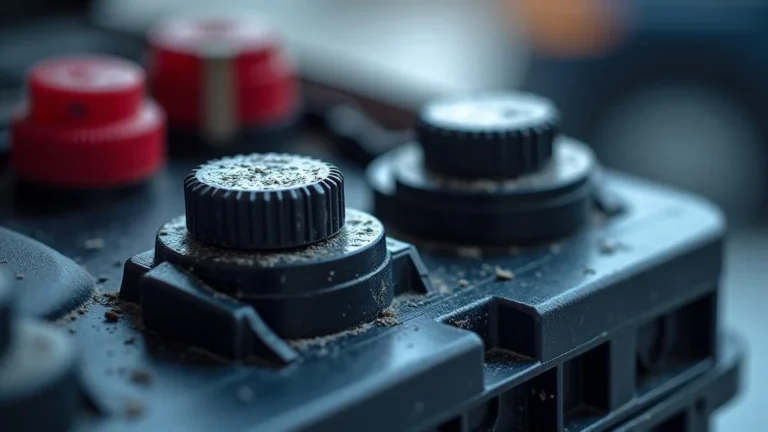
Battery corrosion is the result of a chemical process. Your car battery contains sulfuric acid, and when this comes into contact with the metal components of your car, a reaction occurs. This reaction is accelerated by factors like heat, humidity, and the age of the battery. The most common type of corrosion is a white or greenish powder, often seen on the battery terminals. This buildup prevents good electrical contact, preventing your car from starting properly. Knowing what causes corrosion is the first step in stopping it.
Types of Corrosion and Their Impact
Corrosion can come in different forms, each impacting your car in unique ways. The most prevalent type is sulfate corrosion, which appears as a white, powdery substance. This type is generally caused by the reaction of sulfuric acid with the lead terminals. Another form, more indicative of a serious problem, is a bluish-green crystal growth. This can indicate that acid is leaking or that battery gases are escaping and reacting with the terminal metals. This latter type is often more aggressive and can quickly escalate, causing starting problems or even damaging the battery cables and surrounding components. The extent of corrosion significantly affects the car’s electrical system and its starting capabilities.
- Sulfate Corrosion: This white, powdery corrosion is the most typical and is the reaction of sulfuric acid with lead terminals. Its primary effect is to block electrical current flow.
- Copper Corrosion: This greenish corrosion occurs when battery gases react with copper components, such as wiring. It can lead to poor connections and electrical shorts.
- Hydrogen Sulfide Corrosion: The battery’s escaping gases can react with moisture and metals in the air, creating a corrosive environment that affects the battery casing. This is often the precursor to sulfate and copper corrosion.
- Voltage Drops: As corrosion builds, it increases resistance, leading to voltage drops that hinder starting, which can cause dim lights and failing electronic systems.
Identifying Corrosion Early
Catching corrosion early can prevent bigger issues down the road. Regular checks are a good idea. Open your car’s hood and visually inspect the battery terminals and surrounding areas. Look for any white, green, or blue powder or crystal buildup. Feel around the terminals; they should be dry. Any dampness can indicate a leak or potential corrosion. If you notice any signs of corrosion, don’t ignore them. Addressing it promptly can save you from inconvenient breakdowns. Early detection prevents significant damage and helps maintain your car’s electrical system’s integrity.
- Routine Visual Checks: Open the hood and examine the battery terminals regularly, looking for the telltale signs of corrosion (white or greenish buildup).
- Feel the Terminals: Gently feel the terminals for dampness. Any moisture could indicate leaks or outgassing.
- Smell for Odd Odors: Sometimes, the first sign of battery issues is a pungent, rotten-egg smell from hydrogen sulfide gas.
Getting Ready for a Car Battery Corrosion Fix
Before you begin the car battery corrosion fix process, gather all necessary tools and safety gear. Proper preparation can make the job safer and more effective. You’ll need items like baking soda, water, a wrench, and protective equipment. Understanding the safety precautions involved is extremely important. By taking these steps, you will keep yourself safe and make the process easier.
Safety First: Protective Gear and Precautions
Safety should be your priority when working around car batteries. Sulfuric acid, which is present in batteries, is corrosive. It can cause burns to the skin and eyes. Always wear eye protection, like safety glasses or goggles, to prevent acid splashes. Put on gloves to protect your hands. Ensure you are in a well-ventilated area because batteries can release hydrogen gas, which can be explosive. Stay away from open flames and sparks. Disconnect the negative (black) terminal first when removing the battery to avoid accidental short circuits. Working safely is extremely important for a good outcome.
- Eye Protection: Always wear safety glasses or goggles to protect your eyes from acid splashes.
- Gloves: Wear acid-resistant gloves to protect your skin from sulfuric acid.
- Ventilation: Perform the procedure in a well-ventilated area to prevent a build-up of explosive hydrogen gas.
- No Sparks or Flames: Keep open flames and sparks away from the battery to prevent explosions.
- Negative Terminal First: Disconnect the negative (black) battery terminal first to avoid short circuits.
Tools You Will Need
Gathering the right tools makes the job much easier. A few basic items are all you need for a car battery corrosion fix. You’ll need a wrench to disconnect the battery terminals, baking soda and water to neutralize the acid, a wire brush or battery terminal cleaner to remove the corrosion, and a container to hold the cleaning solution. Having these tools ready saves time and ensures you can thoroughly clean the battery terminals and the surrounding area. With the correct tools, the process is straightforward.
- Wrench Set: This is used to disconnect and reconnect the battery terminals. A set covering multiple sizes is best.
- Baking Soda: Essential for neutralizing the acid and making the cleaning process safe.
- Water: Use tap water to dilute the baking soda solution and rinse the battery terminals.
- Wire Brush or Battery Terminal Cleaner: For removing the corrosion buildup. A wire brush is a good choice for this.
- Protective Gear: Safety glasses, gloves, and old clothes help protect you during the cleaning.
Step-by-Step Car Battery Corrosion Fix
With your tools and safety equipment in place, it’s time to perform a car battery corrosion fix. Following these simple steps will safely remove corrosion and restore your battery’s connections. Each step is important for getting the best results. Take your time, and make sure you do each step correctly. Doing so helps keep your car running smoothly.
Step 1: Disconnecting the Battery
The first step in any car battery corrosion fix is disconnecting the battery. Start by locating your car battery and its terminals. Using a wrench, loosen the nut on the negative (black) terminal first. Once loose, carefully remove the cable from the terminal. Next, repeat this process on the positive (red) terminal. It’s important to start with the negative terminal to prevent sparks if your wrench accidentally touches metal. Keep the cables away from the terminals and each other during the entire process. This is the initial safety measure, so do this with care.
- Locate the Battery: Find your car battery, usually under the hood or sometimes in the trunk.
- Find the Terminals: Identify the positive (red) and negative (black) terminals.
- Loosen the Nuts: Using the appropriate wrench, loosen the nut that secures the cable to the negative (black) terminal.
- Remove the Negative Cable: Carefully remove the negative cable from the terminal, making sure it doesn’t touch the terminal or any metal.
- Remove the Positive Cable: Loosen the nut on the positive (red) terminal and remove the cable.
Step 2: Cleaning the Terminals
After disconnecting the battery, clean the terminals. Begin by mixing baking soda with water to make a paste. Apply the paste to the corroded areas. Let it sit for a few minutes. The baking soda will neutralize the acid. Use a wire brush or battery terminal cleaner to scrub away the corrosion from the terminals and the cable clamps. Rinse thoroughly with water, making sure to remove all traces of the baking soda solution. Now, your terminals will be ready for the next step. This process makes sure everything is clean and ready for reconnection.
- Make the Cleaning Solution: Mix baking soda and water to form a paste, or use a commercial battery cleaner.
- Apply the Solution: Smear the baking soda paste onto the corroded terminals and cable clamps.
- Let it React: Let the solution sit for several minutes to neutralize the acid and break down the corrosion. You may see some fizzing.
- Scrub the Corrosion Away: Use a wire brush or terminal cleaner to scrub off the softened corrosion.
- Rinse Thoroughly: Rinse the terminals and clamps with water to remove the baking soda solution and any remaining debris.
Step 3: Reconnecting and Testing
The final step in a car battery corrosion fix is reconnecting the battery. Make sure the terminals and clamps are clean and dry. Start by attaching the positive (red) cable to the positive terminal. Tighten the nut securely. Next, connect the negative (black) cable to the negative terminal and tighten its nut. Ensure both cables are firmly attached, but do not overtighten, as this could damage the terminals. After reconnecting the battery, check that the connections are secure. Once it’s all hooked up, try starting the car to ensure the fix was successful.
- Connect the Positive Cable: Attach the positive (red) cable to the positive terminal.
- Tighten the Positive Nut: Tighten the nut on the positive cable until it’s secure.
- Connect the Negative Cable: Attach the negative (black) cable to the negative terminal.
- Tighten the Negative Nut: Tighten the nut on the negative cable. Make sure it’s secure.
- Start the Car: Try to start your car to ensure everything is working correctly. Watch for the lights to see if they’re bright.
Preventing Future Corrosion
After you’ve done a car battery corrosion fix, keeping the battery corrosion-free is important. Fortunately, there are several things you can do to prevent it from happening again. Regular maintenance, protective products, and careful monitoring can extend the life of your battery and keep your car running. Prevention is easier than dealing with corrosion.
Using Battery Terminal Protectors
Applying a battery terminal protector is a simple and effective step in preventing future corrosion. These protectors are designed to create a barrier between the battery terminals and the environment. You can use felt pads coated with battery terminal protector grease or spray-on protectors. These products help to keep moisture and contaminants away from the metal, reducing the chance of corrosion. Applying them after cleaning and before reconnecting the cables provides the best protection. Using terminal protectors is a small step with big benefits for your battery’s life.
- Felt Washers: Place felt washers coated with battery terminal protector grease over the terminals.
- Spray-On Protectors: Apply a spray-on protector designed to create a protective barrier.
- After Cleaning: Apply these products after cleaning the terminals and before reconnecting the cables.
- Check Regularly: Inspect the protectors periodically and reapply if needed.
Regular Inspection and Maintenance
Regular battery inspection and simple maintenance steps can catch and prevent corrosion early on. This includes checking the battery terminals every few months for any signs of corrosion. If you notice any buildup, clean it right away to avoid more damage. Also, make sure the battery cables are securely connected. Loose connections can lead to arcing and corrosion. Keeping an eye on your battery’s condition is an easy way to extend its life. This proactive approach ensures your car’s electrical system remains healthy.
- Visual Inspections: Regularly check your battery terminals for any white or green buildup.
- Tighten Connections: Make sure the battery cables are securely attached to the terminals.
- Clean Any Corrosion: Clean any corrosion as soon as you find it to prevent it from worsening.
- Check Battery Age: Batteries have a limited lifespan; know when yours needs to be replaced.
Frequently Asked Questions
Question: How often should I clean my car battery terminals?
Answer: It’s a good idea to check your car battery terminals every few months. If you see any corrosion, you should clean it right away.
Question: What’s the best way to prevent battery corrosion?
Answer: To prevent battery corrosion, use battery terminal protectors like felt washers or spray-on products, and inspect your terminals regularly.
Question: Can I use any type of cleaner to remove corrosion?
Answer: Baking soda and water is a safe and effective way to clean corrosion. Specialized battery terminal cleaners are also available.
Question: What should I do if my battery keeps corroding?
Answer: If your battery keeps corroding, it could indicate a problem with the battery itself. Have your battery and charging system checked by a professional.
Question: Is it safe to work on a car battery?
Answer: Yes, it is safe to work on a car battery if you follow all safety guidelines. Always wear protective gear, work in a well-ventilated area, and disconnect the negative terminal first.
Final Thoughts
Successfully performing a car battery corrosion fix is easy and rewarding. It’s a simple process that keeps your car running smoothly and saves you money. By understanding what causes corrosion, preparing the right tools, and carefully following the steps, you can tackle this task with confidence. Remember to always prioritize safety, and don’t hesitate to consult a professional if you’re unsure about any part of the process. Keeping your battery corrosion-free will extend its life and make sure that your car is reliable. Now, go ahead and keep your car’s electrical system in tip-top shape.