What Causes Car Battery Swelling and How to Fix It
If you’re new to car maintenance, seeing a car battery swelling can be a little scary. It’s a common issue, and it usually means something isn’t quite right with your car’s electrical system. Don’t worry, though; it’s usually fixable. This post will break down the reasons behind this problem, and then show you exactly what steps you can take to figure out the cause and fix it.
What Exactly Is Car Battery Swelling?
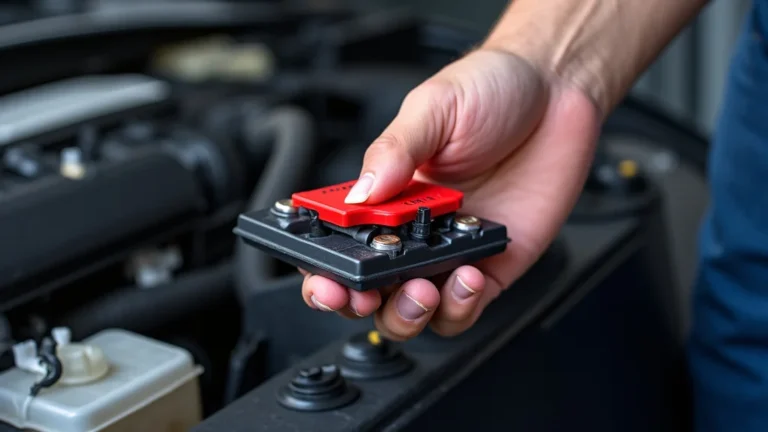
Car battery swelling is when a battery’s outer case expands, making it look puffy or distorted. This is different from a normal battery. A healthy car battery has a defined shape. Swelling is a sign of internal problems. It’s important to figure out why your battery is swelling because it can lead to other issues with your car and can even be dangerous. The swelling is a result of internal changes and reactions within the battery. Knowing about this can help you better understand what might be happening with your car’s power system.
The Science Behind Car Battery Construction
Your car battery works through a chemical reaction. It’s made of lead plates submerged in a sulfuric acid solution (electrolyte). During operation, chemical reactions between the lead plates and the acid create electricity. This process is called electrochemical. When the battery is charging or discharging, these chemical reactions cause the flow of electrons that make your car work. A basic car battery consists of a positive terminal, a negative terminal, a casing, lead plates and electrolyte.
The electrolyte’s main function is to allow the movement of ions. Ions are electrically charged atoms or molecules. The battery stores the electric energy within its components, and then it releases it when connected to a circuit. This is why the electrolyte levels need to be maintained. When there is a problem with any of these parts, it can disrupt the chemical reactions which is when you might see your car battery swelling.
- Lead Plates: These are the positive and negative electrodes, often made of lead or lead alloys. Their design (e.g., the grid pattern) impacts the battery’s performance.
- Sulfuric Acid (Electrolyte): This is the chemical solution in which the lead plates are submerged. It allows for the movement of ions which is critical for generating electricity. The strength of the acid is crucial for optimal battery function.
- Separators: These are usually porous materials, like plastic or glass fiber, that keep the lead plates from touching each other, which prevents short circuits. They allow the electrolyte to move freely throughout the battery.
- Battery Case: This is a strong container that houses all the components. It must be able to withstand the heat and pressure generated during battery operation.
Key Indicators of a Swollen Car Battery
It’s important to recognize the signs of a swollen car battery, so you can address the issue fast. Early detection can prevent serious problems. Recognizing the symptoms can help avoid more serious problems. Swelling can happen subtly at first. By knowing what to look for, you can act quickly and prevent further damage. Here’s how you can tell if your car battery swelling is happening.
- Visual Distortion: The most obvious sign is a change in the battery’s shape. It may look puffy, bloated, or distorted compared to its usual rectangular form. If the case bulges out or shows any unusual bumps, it’s a red flag.
- Cracking or Leaks: Severe swelling can cause the battery case to crack. This can lead to acid leaks. Acid is corrosive and can damage your car’s components. If you see liquid around the battery, it’s essential to handle it carefully.
- Difficulty Starting: A swollen battery may struggle to deliver enough power to start your car. You might notice slower cranking or no response when you turn the key. If your car hesitates to start, it’s worth checking the battery.
- Unusual Odors: A swollen battery can release a strong, sulfurous smell, which is the odor of sulfuric acid. This smell might indicate that the battery is overheating or leaking. The smell might get stronger over time.
- Battery Light Activation: The dashboard battery light might appear. This warns that there is a problem with the charging system. It could be due to a faulty battery.
Why Does Car Battery Swelling Happen?
Several factors can cause your car battery swelling. Each is related to a problem with how the battery is used, charged, or managed. These factors are often connected. One cause might lead to another. Getting to know these can help you avoid the problem. They involve both the battery itself and the parts that support it.
Overcharging and Its Effects
Overcharging occurs when your car’s charging system sends too much electricity to the battery. It can cause the internal components of the battery to break down. Overcharging forces more electricity into the battery than it can handle. It can cause a lot of heat, which breaks down the battery’s interior parts. It can lead to the formation of gases and changes in the internal pressure, which is why your car battery swelling occurs. Checking for overcharging can help you avoid major battery issues.
- Voltage Regulator Failure: The voltage regulator controls the amount of electricity the alternator sends to the battery. If it fails, the alternator might send too much current, causing overcharging. A broken voltage regulator is one of the main causes of overcharging. This can result in excess heat and gas production.
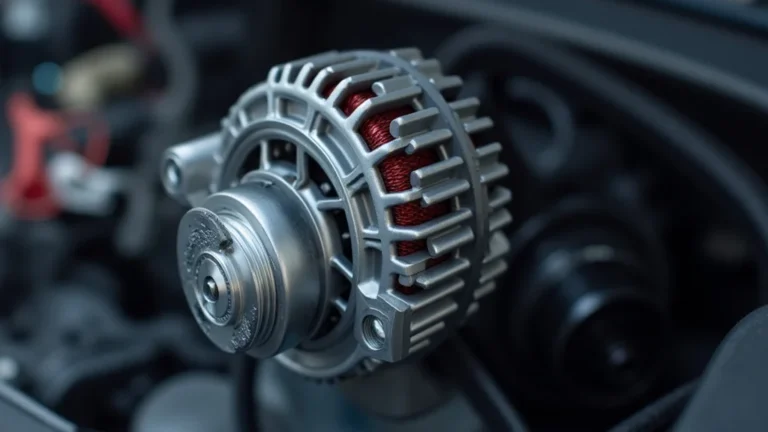
- Alternator Issues: Problems with the alternator can cause it to deliver too much voltage. Your car’s alternator is the main source for charging the battery while the engine is running. If it’s not working correctly, it can overcharge the battery.
- Driving Habits: Short trips or frequent starts and stops can also lead to overcharging. These driving patterns might not allow the battery to fully charge. This can cause the charging system to push more current to the battery.
For example, imagine a driver who frequently takes short trips. This pattern might not allow the battery to fully charge, making the charging system try to push in more current, which can lead to overcharging.
Heat Exposure and Its Impact
Heat is a big enemy of batteries. High temperatures can speed up the chemical reactions inside the battery, which can lead to swelling. This impact is intensified when a battery is exposed to high temperatures. The intense heat can speed up the internal reactions inside the battery, accelerating the aging process and potentially causing swelling. High temperatures can cause several issues, including the breakdown of battery components and the increase of internal pressure.
- Under-the-Hood Conditions: Car engines produce a lot of heat, especially in hot weather. If the battery is placed too close to the engine or exhaust, it can get too hot. This heat can cause the battery’s internal components to degrade and the case to swell.
- Extreme Weather: In very hot climates, the high temperatures can damage the battery. Heat can reduce the battery’s lifespan. Regularly checking your battery can help prevent serious damage.
- Poor Ventilation: A lack of air flow around the battery can make the heat damage more. If the battery is enclosed without proper ventilation, heat can build up quickly. This can lead to faster swelling and reduced performance.
Internal Short Circuits and Their Consequences
Internal short circuits can occur in a battery and they lead to battery swelling. Short circuits cause a rapid discharge of energy, which creates excessive heat. If there is a short circuit inside the battery, the chemical reactions go haywire. The battery releases heat and gases, causing the case to swell. These problems are often caused by the breakdown of internal components and can result in significant damage. The battery components are designed to work together to produce and store electricity.
- Plate Degradation: Over time, the lead plates inside the battery can break down. This degradation can lead to short circuits, as fragments of the plates might bridge the gap between the positive and negative terminals.
- Separator Failure: The separators between the battery plates can fail, which allows the plates to touch and create a short circuit. The separators’ job is to stop the lead plates from directly contacting each other. If these separators wear out or get damaged, a short circuit can form.
- Manufacturing Defects: Sometimes, a car battery might have manufacturing flaws. These defects can lead to short circuits. This problem is more common in older batteries. Even small problems during the manufacturing process can result in short circuits.
How to Deal With Car Battery Swelling
Dealing with a swollen car battery swelling requires quick action. The situation can be dangerous and needs attention right away. You must avoid injury and further car damage. Safe handling is extremely important. Always wear protective gear, especially eye protection. It is a good idea to seek help from a professional mechanic if you are not sure. This can prevent accidents and ensure the job is done correctly.
Safety Procedures
Working on a swollen car battery needs caution. Handling a swollen battery involves risk. Your safety is most important. Following these instructions will reduce the risk of accidents. Before you do anything, take these steps to ensure your safety and that of others. These steps will reduce your chance of harm and make the process easier.
- Protective Gear: Always wear safety glasses and gloves when working with batteries. If acid leaks, it can cause severe burns. Wearing protective gear will help to protect your skin and eyes.
- Ventilation: Work in a well-ventilated area. Batteries release gases, including hydrogen, which is explosive. Make sure you are in a spot with enough airflow. Open doors and windows to let fresh air in.
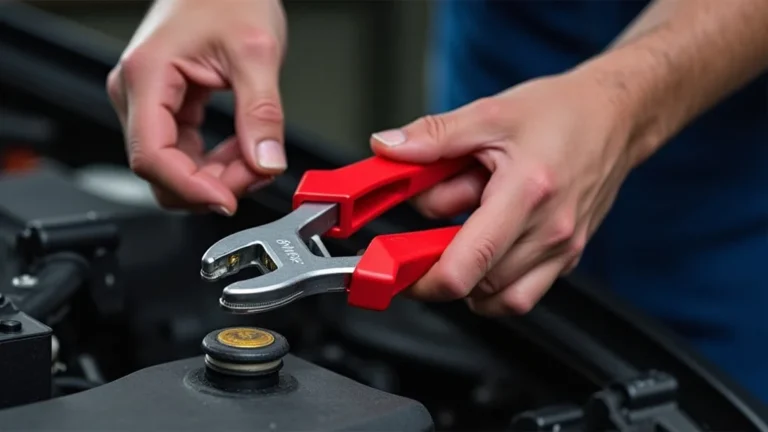
- Disconnect the Battery: Before touching anything, disconnect the battery cables. Always disconnect the negative (black) cable first, and reconnect it last. This step prevents any electrical shocks or short circuits.
- No Sparks or Flames: Avoid any sparks, flames, or smoking near the battery. Batteries produce flammable gases. Sparks can ignite the gases and cause an explosion.
Testing Your Battery and Charging System
To identify the problem, you need to test the car battery and its charging system. This will help you find the main cause of the car battery swelling. Testing these parts will help find the root of the problem. You can start by inspecting the battery. Use a multimeter to check the voltage and how well it keeps a charge. Then, check the charging system to make sure it is working correctly.
- Battery Load Test: A battery load test puts the battery under stress to see how well it performs. This test checks the battery’s ability to supply power. A low result is a sign of a failing battery. This test will help see the battery’s real condition.
- Voltage Check: Use a multimeter to measure the battery’s voltage while the engine is running. The voltage should be between 13.5 and 14.5 volts. If the voltage is too high, the alternator is overcharging the battery. If it is too low, the battery might not be getting enough charge.
- Alternator Test: An alternator test checks the charging system’s performance. The alternator is checked with a multimeter to ensure it is providing the correct voltage. A bad alternator can cause battery problems. A mechanic can perform a load test on the alternator.
Solutions and Replacement
If your battery has a swelling issue, it must be addressed promptly. The best move is often to replace the battery. If you find the charging system is the cause, you will need to fix it. This prevents further damage. Addressing the charging system problems and replacing the battery should solve the swelling issue.
- Battery Replacement: If the battery is swollen, it should be replaced. Trying to fix a swollen battery is dangerous. When you get a replacement, ensure it’s the correct size and type for your car. Replacing the battery is the best and safest option.
- Charging System Repair: If testing finds charging system issues, get them fixed right away. This could involve replacing the voltage regulator or the alternator. Repairing these problems will prevent overcharging and extend the life of your new battery.
- Professional Help: If you are not familiar with car repairs, seek help from a mechanic. A mechanic can properly diagnose and fix the issue. A professional has the experience and tools to solve the problem and ensure your car runs safely.
Preventing Future Issues
You can prevent future issues with your car battery. You need to follow some simple steps to avoid car battery swelling and other related problems. Preventive maintenance can save you money and headaches. By following these steps, you can help your battery last longer and keep your car running well.
Regular Inspection and Maintenance
Regular maintenance will help prevent car battery swelling. Regular inspections can identify problems early. Consistent maintenance will keep your car battery in good condition and ensure peak performance. Regular care is the key to preventing problems before they start and extending battery life. These steps will keep the battery healthy and the car reliable.
- Visual Inspections: Regularly inspect your battery for signs of swelling, leaks, or corrosion. Check the terminals and the battery case. Look at your car battery on a regular basis.
- Cleaning Terminals: Clean the battery terminals regularly to remove any corrosion. This will keep a good connection. A good connection ensures the battery charges properly. Use a wire brush and baking soda solution for cleaning.
- Battery Testing: Have your battery tested every six months. Your mechanic can do this during routine maintenance. Testing will help detect any problems early. If you detect any problems, you can resolve them right away.
Good Driving Habits
How you drive can impact the life of your car battery. You can adopt driving habits to keep the car battery healthy. Certain driving patterns can add strain to the battery. These driving practices help keep your car battery in good shape. By making small changes, you can help prolong battery life.
- Avoid Short Trips: Frequent short trips can prevent the battery from fully charging. Take longer drives periodically to ensure your battery gets fully charged. This gives the battery a chance to fully charge.
- Minimize Electrical Load: Reduce the use of electrical components, especially when the engine is off. This reduces the burden on your battery. Use your headlights, air conditioning, and stereo carefully.
- Regular Driving: If you don’t use your car often, make sure to drive it regularly. This helps keep the battery charged. If a car sits unused for long, it can drain the battery.
Here’s a real-life example of how this might play out:
- A driver often uses their car for short trips.
- The short trips don’t allow the battery to fully recharge, which puts a strain on the charging system.
- Over time, the alternator might compensate by overcharging the battery, causing swelling.
- Eventually, the battery’s case swells, and the driver must get it replaced.
Choosing the Right Battery
The type of battery you choose matters. Using the right battery can make a huge difference in how long it lasts. The correct battery guarantees your car gets enough power. Pick the correct battery for your car and your use. Getting the right battery is an important part of car maintenance and its performance.
- Correct Size and Type: Always use the right battery size and type recommended for your car. Using the right size and type guarantees the battery fits correctly. Check your car’s manual to find the right specs.
- Battery Quality: Buy a battery from a trusted brand that offers a warranty. A high-quality battery provides better performance and lasts longer. A good warranty means you will be covered if anything goes wrong.
- Consider Climate: If you live in a hot climate, consider a battery designed to handle high temperatures. A battery designed for hot climates can handle the high temperatures better. This choice will extend the battery’s lifespan.
Another real-life example: A person in a hot climate experiences car battery swelling, and they replace their old battery. When buying a replacement, they select a battery specially made for hot weather. As a result, they experience a longer battery life compared to their previous batteries.
Frequently Asked Questions
Question: What does a swollen car battery look like?
Answer: A swollen car battery looks distorted, bloated, or bulging, which is different from its normal rectangular shape. It might have a rounded or uneven appearance, and the case may show cracks.
Question: What can cause a car battery to swell?
Answer: Overcharging, heat exposure, and internal short circuits are among the main causes of car battery swelling. Other reasons include charging system failure, and extreme temperatures.
Question: Is it safe to drive with a swollen car battery?
Answer: No, it is not safe to drive with a swollen battery. The battery can leak corrosive acid or explode. If you notice swelling, do not drive the car; instead, replace the battery.
Question: How do I test a car battery to see if it is still good?
Answer: You can perform a load test, a voltage test, and a charging system test. These tests will help determine the battery’s health and ability to hold a charge. They can identify charging system issues.
Question: What should I do if my car battery swells?
Answer: If your car battery swells, you should immediately stop using the car and replace the battery. Make sure you take all safety precautions, and it’s best to get help from a mechanic.
Final Thoughts
Dealing with a swollen car battery might seem alarming, but knowing what causes it can help you prevent and solve the problem. Car battery swelling is usually related to overcharging, heat, or internal issues. Identifying the cause is key. You can find the source of the problem by testing your battery and charging system. If you notice signs of swelling, immediate replacement is the best solution. Remember to focus on safety first and get help from a professional when needed. Regular maintenance, smart driving habits, and the right battery can make a big difference. By being careful and proactive, you can ensure a reliable start and extend the life of your car battery. Remember to always prioritize safety and take action fast if you spot signs of car battery swelling to prevent problems and ensure your car keeps working as it should.