Ever Wonder How Does a Car Battery Work Find Out Here
A car battery is essentially a rechargeable lead-acid power source that converts chemical energy into electrical energy to crank your engine and power essential accessories. It achieves this through a reversible chemical reaction between lead plates and sulfuric acid, generating 12 volts, and is continuously recharged by the alternator while the engine runs.
Ever Wonder How Does a Car Battery Work Find Out Here
Picture this: It’s a chilly morning, you hop into your car, turn the key, and… nothing. Just a sad, clicking sound. We’ve all been there, and in that frustrating moment, you quickly realize the immense importance of one unsung hero under your hood: the car battery. It’s the heart that gives your vehicle life, yet for many of us, how it actually works remains a bit of a mystery. We just know it needs to, well, work!
You might be surprised to learn that this unassuming box is a powerhouse of chemical reactions, constantly working to get you from point A to point B. It’s more than just a big energy storage unit; it’s a dynamic part of your car’s electrical system, performing some pretty incredible feats every time you start your engine. Understanding the basics of how a car battery works can not only demystify that morning click but also empower you to better care for your vehicle.
So, grab a cup of coffee, and let’s pull back the curtain. We’re going to explore the fascinating world of the car battery, breaking down its inner workings in a way that’s easy to understand. By the end, you’ll have a much clearer picture of how this vital component springs into action and what makes your car battery work its magic.
“`html
Key Takeaways
- Understand: Car batteries convert chemical energy into electrical power.
- Know: Lead plates and sulfuric acid drive the chemical reaction.
- Remember: Batteries provide high current to crank your engine.
- Grasp: Your alternator continuously recharges the battery while driving.
- Realize: Stored energy also powers vehicle’s electrical components.
- Maintain: Clean terminals and proper fluid levels extend battery lifespan.
- Expect: Battery performance degrades over time; plan for replacement.
“`
📑 Table of Contents
What Exactly IS a Car Battery?
At its core, a car battery is an electrochemical device. Think of it as a small, portable power plant designed to deliver a massive jolt of electricity for a very short period. Its primary job is to provide the initial burst of power needed to crank your engine and get it started. Without this initial surge, your engine simply wouldn’t turn over.
More Than Just Starting Your Car
- Engine Ignition: This is its most famous role. The battery powers the starter motor, which physically turns the engine’s crankshaft to initiate the combustion process.
- Powering Accessories: Before the engine is running and the alternator takes over, your car battery also provides power to essential electrical components like your lights, radio, power windows, and central locking.
- Voltage Stabilization: Even when the engine is running, the battery acts as a voltage stabilizer, smoothing out voltage spikes from the alternator and protecting your car’s sensitive electronics.
Most modern cars use a 12-volt lead-acid battery. While other battery technologies exist, the lead-acid type has been the standard for decades due to its reliability and cost-effectiveness for automotive starting applications.
The Chemistry Behind the Spark: Inside a Lead-Acid Battery
The real magic of how a car battery works happens at a microscopic level, through a reversible chemical reaction. It’s a pretty clever design once you get a peek inside!
Components of a Car Battery
Imagine six individual “cells” inside your battery, each producing about 2.1 volts. When wired together in series, they create the familiar 12.6-volt battery we all know.
- Lead Plates: Each cell contains alternating positive and negative plates. The positive plates are made of lead dioxide (PbO₂), and the negative plates are made of spongy lead (Pb).
- Electrolyte Solution: These plates are submerged in a liquid solution called an electrolyte. This isn’t just plain water; it’s a mixture of sulfuric acid (H₂SO₄) and distilled water (H₂O). The acid is crucial because it facilitates the chemical reaction.
- Separators: Thin, porous separators prevent the positive and negative plates from touching each other, which would cause a short circuit.
The Chemical Reaction Simplified
When you need power from the battery (like when starting your car), the sulfuric acid in the electrolyte reacts with the lead plates. This reaction produces electrons, which flow out of the battery as electricity. In simpler terms:
- The sulfuric acid breaks down into ions.
- These ions react with the lead dioxide on the positive plates and the spongy lead on the negative plates.
- This reaction creates lead sulfate (PbSO₄) on both sets of plates and releases electrons.
- The flow of these electrons from the negative terminal to the positive terminal through your car’s electrical system is what provides the power.
- As the battery discharges, the sulfuric acid becomes weaker (more like water), and the lead plates become more sulfated.
This process is the core of how a car battery works to deliver the power your vehicle needs.
How the Battery Delivers Power: Discharge Cycle
The “discharge cycle” is what happens when your car battery is actively supplying power. The most common and demanding discharge cycle occurs every time you turn the ignition key.
Starting Your Engine
When you turn the key, you complete an electrical circuit. The car battery instantly provides a surge of current, often hundreds of amps, to the starter motor. This motor then engages the flywheel, turning the engine over. It’s like a short, sharp sprint for the battery, requiring a lot of energy very quickly.
- High Current Demand: Starting an engine demands a huge amount of current, especially in cold weather when engine oil is thicker.
- Brief Burst: Thankfully, this high current draw is very brief – just a few seconds until the engine catches and starts running.
- Battery Depletion: Each time the battery discharges to start the car, a small amount of its stored energy is used up, and the chemical composition of the electrolyte and plates changes slightly.
If your car doesn’t start, it often means the car battery couldn’t deliver that initial burst, perhaps due to low charge or internal damage preventing the chemical reaction from occurring effectively.
How the Battery Recharges: Charge Cycle
What would be the point of a car battery if it couldn’t be replenished? That’s where another vital component of your car comes into play: the alternator.
The Alternator’s Role
Once your engine is running, the alternator takes over. It’s essentially a small electrical generator driven by the engine’s serpentine belt. The alternator’s job is twofold:
- Powering the Car’s Electrical System: It supplies electricity to all your car’s ongoing electrical needs, from the headlights and infotainment system to the fuel pump and ignition system.
- Recharging the Battery: Crucially, the alternator also sends a steady stream of power back to the car battery. This reverses the chemical reaction that occurred during discharge.
During recharging, the lead sulfate on the plates is converted back into lead dioxide and spongy lead, and the sulfuric acid concentration in the electrolyte increases again. This process effectively restores the battery’s charge, making it ready for the next time you need to start your car. This continuous charge and discharge cycle is fundamental to how a car battery works over its lifespan.
Types of Car Batteries: Beyond the Basics
While the standard lead-acid battery is prevalent, technology has evolved, offering a few variations:
- Flooded Lead-Acid (Wet Cell): This is the traditional type, with liquid electrolyte. Some require occasional topping off with distilled water. They are robust and cost-effective.
- Absorbed Glass Mat (AGM): In AGM batteries, the electrolyte is absorbed into fiberglass mats between the plates. They are maintenance-free, more vibration-resistant, and offer better performance in extreme temperatures. They are also spill-proof, making them safer.
- Enhanced Flooded Battery (EFB): A step up from standard flooded batteries, EFBs offer improved cycling performance and durability, often found in vehicles with basic start-stop systems.
- Lithium-Ion Batteries: Increasingly used in electric and hybrid vehicles, these batteries offer significant weight savings, higher energy density, and longer lifespans, but are much more expensive for traditional starting applications. They work on a different chemical principle than lead-acid batteries.
Understanding these types helps you appreciate the evolution and specific applications of different car battery technologies, though their core function of providing initial power remains similar.
Keeping Your Car Battery Healthy: Practical Tips
Knowing how your car battery works can help you extend its life and avoid those dreaded “click, no start” mornings. Here are some simple, practical tips:
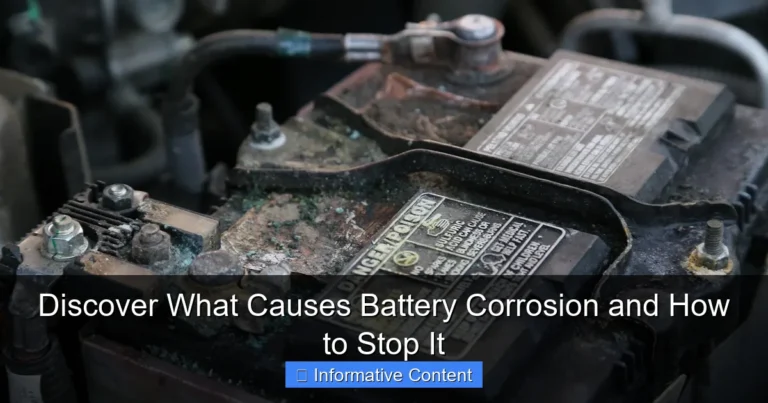
- Check Terminals for Corrosion: White or blue powdery buildup on the terminals can impede electrical flow. Clean them regularly with a wire brush and a mixture of baking soda and water. Always disconnect the negative terminal first, then the positive, when cleaning.
- Ensure Secure Connections: Loose battery cables can prevent the battery from delivering full power. Make sure they are tight and snug.
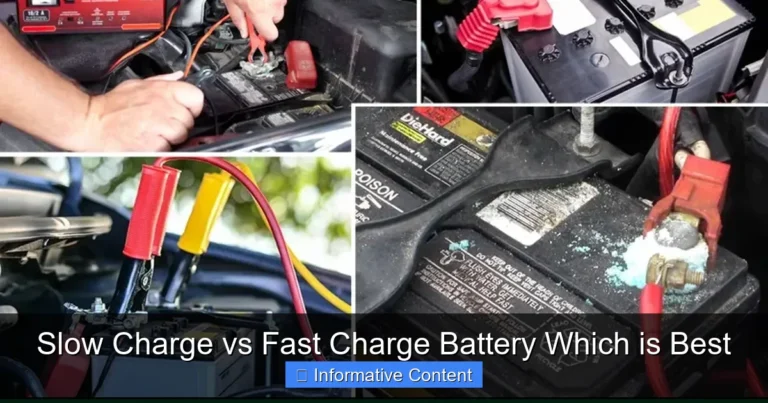
- Keep it Charged: Frequent short trips don’t give the alternator enough time to fully recharge the car battery. If you often make short drives, consider using a trickle charger or battery maintainer periodically, especially if your car sits for long periods.
- Avoid Deep Discharges: Leaving lights on or accessories running when the engine is off can completely drain your battery. Deep discharges significantly reduce the battery’s lifespan.
- Test Regularly: Many auto parts stores offer free battery testing. This can identify a weakening car battery before it leaves you stranded. Batteries typically last 3-5 years, depending on climate and usage.
- Mind the Climate: Extreme heat can actually degrade a car battery faster than cold, though cold temperatures make it harder for a weaker battery to deliver power. Protect your car from extreme temperatures when possible.
By following these simple guidelines, you can ensure your car battery continues to work efficiently and reliably for years to come.
Conclusion
So, the next time you hop in your car and hear that satisfying roar of the engine coming to life, you’ll know exactly what’s going on under the hood. Your car battery isn’t just a lifeless box; it’s a marvel of chemistry and engineering, constantly converting chemical energy into electrical power and back again. It’s fascinating how a car battery works, isn’t it?
From providing that crucial initial spark to helping stabilize your car’s electrical system, the battery plays an indispensable role. Understanding its basic operation empowers you not only to appreciate this unsung hero but also to take better care of it. A little knowledge and preventative maintenance can go a long way in ensuring your car battery works efficiently, keeping you on the road and avoiding those unexpected moments of automotive silence. Drive safe!
Frequently Asked Questions
How does a car battery work and what is its main function?
A car battery is a rechargeable power source designed to provide the electrical current needed to start your vehicle’s engine. Its primary function is to deliver a powerful surge of electricity to the starter motor and to power accessories like lights and radio when the engine is off.
What are the main components inside a car battery?
Inside a typical car battery, you’ll find multiple cells, each containing positive lead dioxide plates and negative lead plates, separated by insulators. These plates are submerged in an electrolyte solution of sulfuric acid and water, all encased within a durable plastic container with terminals for connection.
How does a car battery generate electricity?
A car battery generates electricity through a reversible chemical reaction between the lead plates and the sulfuric acid electrolyte. This reaction produces electrons, creating a flow of direct current (DC) electricity that powers the car’s electrical systems.
Why do car batteries lose their charge or “die”?
Car batteries lose charge due to several factors, including natural self-discharge over time, especially if the car isn’t driven regularly. Other common reasons include parasitic draws from electrical components, extreme temperatures (hot or cold), and a failing alternator that isn’t recharging the battery effectively.
Can a car battery be recharged, and how?
Yes, a car battery is designed to be recharged, primarily by the car’s alternator while the engine is running. If completely drained, it can also be recharged using an external battery charger plugged into a wall outlet, which slowly replenishes its stored energy.
How long does a car battery typically last?
The average lifespan of a car battery typically ranges from 3 to 5 years, though this can vary significantly based on various factors. Driving habits, climate (extreme heat or cold), and regular maintenance all play a crucial role in determining how long a car battery will last.