Why Your Car Battery Died Overnight And How to Fix It
Featured image for car battery died overnight
Image source: upload.wikimedia.org
A dead car battery overnight most commonly results from parasitic drains, lights left on, or an old, failing battery struggling with cold temperatures. Diagnosing the exact cause is crucial; inspect for accessory drains, ensure clean connections, and assess your battery’s age and health. Fixing it involves correctly charging or replacing the battery, and addressing the root electrical issue to prevent future unexpected breakdowns.
You wake up, ready to start your day, only to find your car silently mocking you. You turn the key, or push the start button, and instead of the familiar rumble, there’s just a dreaded click, or worse, absolute silence. Your lights might flicker weakly, or not at all. Yes, you guessed it: your car battery died overnight. It’s an incredibly frustrating experience, often striking at the most inconvenient times, throwing a wrench into your carefully planned morning. Trust me, we’ve all been there, staring blankly at the dashboard, wondering what went wrong.
This isn’t just a minor inconvenience; a dead battery can disrupt your entire day, making you late for work, school, or important appointments. But why does a perfectly fine battery decide to call it quits when the sun goes down? And more importantly, what can you do about it right now, and how can you prevent it from happening again? This comprehensive guide is designed to help you understand the common culprits behind a battery that unexpectedly gives up the ghost and provides practical, easy-to-follow solutions to get you back on the road and keep your battery healthy.
Let’s dive into the mysteries of your vehicle’s power source and explore why your car battery died overnight, along with actionable steps to fix it and maintain its longevity. Don’t worry, you’re not alone in this frustrating predicament, and help is on the way!
Key Takeaways
- Identify parasitic drains: Check lights, accessories, and aftermarket devices.
- Test battery voltage regularly: Replace old or weak batteries proactively.
- Inspect terminals for corrosion: Clean and tighten connections for reliability.
- Ensure sufficient drive time: Short trips prevent full battery charging.
- Verify alternator function: A failing alternator won’t recharge the battery.
- Seek professional diagnosis: Pinpoint elusive electrical system issues.
- Use a battery maintainer: Prevent discharge during extended storage.
📑 Table of Contents
The Silent Killers: Why Your Car Battery Died Overnight
A dead car battery often feels like a sudden event, but in reality, various factors can slowly drain its power or accelerate its demise. Understanding these “silent killers” is the first step in diagnosing and preventing the issue.
Parasitic Drain: The Unseen Power Siphon
Even when your car is off, certain components like your clock, radio presets, alarm system, and onboard computer draw a small amount of power. This is normal. However, if a component is faulty or was accidentally left on, it can create an excessive “parasitic drain” that will quickly kill your battery. Imagine leaving your dome light on, or a phone charger plugged in – these seem small, but over several hours, they can completely drain your battery’s charge. Other common culprits include faulty wiring, a malfunctioning alternator, or issues with the infotainment system.
Old Age and Wear: The Natural Decline
Just like us, car batteries don’t last forever. The average lifespan of a car battery is typically between 3 to 5 years. Over time, the internal components degrade, reducing its capacity to hold a charge. If your battery is nearing or past this age range, its ability to retain power significantly diminishes, making it prone to dying overnight, especially in challenging conditions.
Extreme Temperatures: A Battery’s Kryptonite
Both extreme heat and extreme cold are detrimental to a car battery’s health. Hot weather accelerates the evaporation of battery fluid and internal corrosion, shortening its lifespan. Cold weather, on the other hand, thickens the battery’s electrolyte, reducing its cranking power and making it harder for your engine to start. A battery already weakened by age or heat might appear fine until a sudden cold snap causes it to completely fail.
Faulty Charging System: The Alternator’s Role
Your car’s alternator is responsible for recharging the battery while the engine is running and powering the electrical system. If the alternator or its associated components (like the voltage regulator) are failing, your battery won’t get the charge it needs. This means that even if your battery is healthy, it will gradually lose charge and your car battery died overnight simply because it wasn’t being replenished properly.
Short Trips and Seldom Use: Lack of Recharge Time
If you primarily make short drives, your alternator might not have enough time to fully recharge the battery after starting the car. Over time, this constant undercharging can lead to a severely depleted battery. Similarly, if your car sits unused for extended periods, the natural parasitic drains will slowly but surely deplete the battery’s charge, often leading to a dead battery when you finally try to start it.
Signs Your Battery is Giving Up the Ghost
Sometimes, a dead battery is a surprise, but often, your car gives you subtle hints before it completely fails. Recognizing these early warnings can save you from being stranded.
Slow Engine Crank
One of the most common early indicators is a slow, sluggish engine crank. When you turn the key, instead of a quick “vroom,” you hear a drawn-out “rrrr-rrrr-rrrrr.” This means the battery isn’t providing enough power to start the engine quickly.
Dashboard Warning Lights
Keep an eye on your dashboard. A battery warning light (often shaped like a battery) or a “CHECK ENGINE” light can illuminate if there’s an issue with the battery or the charging system. Don’t ignore these signals!
Dim Headlights and Electrical Issues
If your headlights are dimmer than usual, or if other electrical components like the power windows, radio, or interior lights seem weak or erratic, it’s a strong sign that your battery is losing its charge.
Battery Corrosion or Swelling
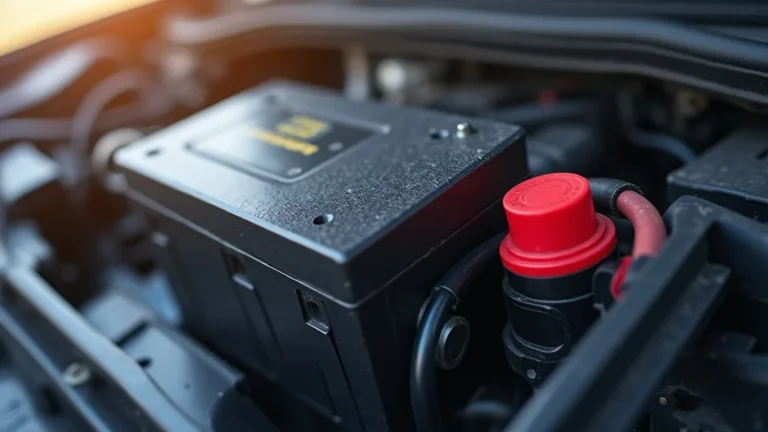
Visually inspect your battery. If you see white, powdery, or bluish-green corrosion around the terminals, it indicates a poor connection and potential acid leakage. Also, if the battery casing looks swollen or bloated, especially on the sides, it’s a clear sign of internal damage and that the battery is failing.
What to Do When Your Car Battery Dies Overnight
So, your car battery died overnight. Don’t panic! Here’s what you can do to get moving again.
Jump-Starting Your Car
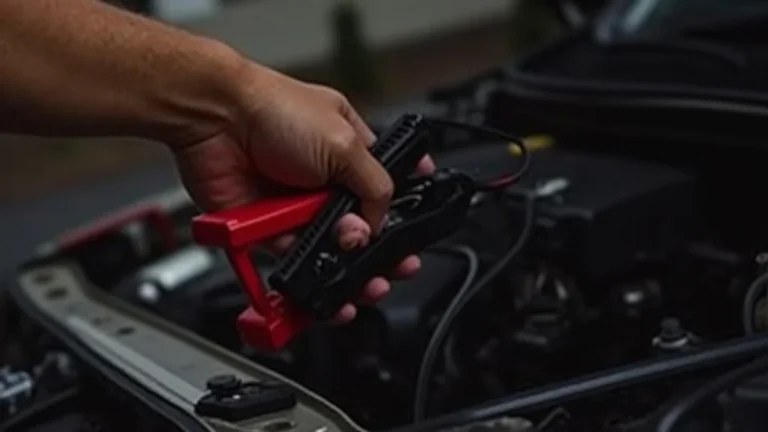
This is the classic solution. You’ll need jumper cables and another vehicle with a working battery.
- Position the good car face-to-face or side-by-side with your dead car, ensuring they are not touching.
- Connect one red clamp to the positive (+) terminal of the dead battery.
- Connect the other red clamp to the positive (+) terminal of the good battery.
- Connect one black clamp to the negative (-) terminal of the good battery.
- Connect the other black clamp to an unpainted metal surface on the engine block or frame of the dead car, away from the battery.
- Start the engine of the good car and let it run for a few minutes.
- Try to start your dead car. If it starts, great! Remove the cables in the reverse order.
Using a Portable Jump Starter
These compact devices are lifesavers. They contain a small, powerful battery that can jump-start your car without needing another vehicle. Simply connect the positive clamp to your car’s positive terminal and the negative clamp to a metal ground point, then activate the jump starter.
Calling for Roadside Assistance
If you’re uncomfortable with jump-starting or don’t have the equipment, call your roadside assistance provider (like AAA) or a local mechanic. They can usually get you started quickly and even test your battery and charging system.
After the Jump: Drive or Charge?
Once your car is running, drive it for at least 20-30 minutes to allow the alternator to recharge the battery. Alternatively, you can use a battery charger/tender to slowly and fully recharge it, which is often a better option if the battery was deeply discharged.
Preventative Measures to Keep Your Battery Alive
An ounce of prevention is worth a pound of cure, especially when it comes to your car battery.
Regular Battery Checks
Periodically inspect your battery terminals for corrosion and clean them with a wire brush and a baking soda-water solution. Ensure the terminals are tight. If your battery is not a “maintenance-free” type, check the fluid levels and top up with distilled water if needed.
Mind Your Electronics
Always double-check that headlights, interior lights, the radio, and any other accessories are turned off before you leave your car. Even small drains can lead to a situation where your car battery died overnight.
Drive Regularly
Make an effort to drive your car for at least 30 minutes a few times a week. This gives the alternator ample time to fully recharge the battery. If you know your car will sit for weeks, consider disconnecting the battery or using a battery maintainer.
Consider a Battery Maintainer
If you have a vehicle that sits unused for extended periods (e.g., a classic car, motorcycle, or seasonal vehicle), a battery maintainer (or “trickle charger”) is an excellent investment. It provides a slow, steady charge to keep the battery topped up without overcharging it.
When to Replace: Knowing Your Battery’s Lifespan
Even with the best care, your battery will eventually need replacement. Knowing when to swap it out can save you from unexpected breakdowns.
Average Battery Lifespan
As mentioned, most car batteries last 3-5 years. However, this can vary significantly based on climate, driving habits, and battery quality.
| Factor | Impact on Lifespan |
|---|---|
| Extreme Heat | Shortens lifespan (e.g., 2-3 years) |
| Moderate Climate | Average lifespan (e.g., 3-5 years) |
| Frequent Short Trips | Shortens lifespan |
| Regular Long Drives | Extends lifespan |
| Battery Quality | Higher quality often lasts longer |
Testing Your Battery
Many auto parts stores offer free battery testing. They can assess its charge level, cranking amps, and overall health. If the test suggests it’s weak or failing, it’s time for a new one. Don’t wait until your car battery died overnight completely.
Safe Disposal
Car batteries contain hazardous materials. When replacing yours, make sure to dispose of the old one properly. Auto parts stores often accept old batteries for recycling, or you can check with your local waste management facility.
Conclusion
A car battery died overnight scenario is definitely a pain, but it doesn’t have to ruin your entire day or catch you completely off guard every time. By understanding the common causes, recognizing the warning signs, and taking proactive steps, you can significantly reduce your chances of experiencing this frustrating problem. From jump-starting safely to regular maintenance and knowing when it’s time for a new battery, you now have the knowledge to keep your vehicle’s power source healthy and reliable.
Remember, your car battery is a crucial component that deserves attention. A little care and awareness go a long way in ensuring smooth starts and stress-free journeys. So, go ahead, give your battery some love, and drive confidently, knowing you’re prepared for whatever the road (or the morning) throws your way!
Frequently Asked Questions
Why did my car battery die overnight?
There are several reasons your car battery might have died overnight. Common culprits include leaving headlights or interior lights on, a “parasitic drain” from electronic accessories not fully shutting off, or simply an old battery that can no longer hold a charge effectively.
How can I tell if my car battery died overnight because it’s old, or for another reason?
If your battery is older than 3-5 years, age is a likely factor, especially if you’ve noticed slower cranking recently. If it’s a newer battery that suddenly died, it’s more probable that something was left on, or there’s an unexpected parasitic drain slowly discharging it.
What should I do immediately after my car battery died overnight?
Your immediate next step is to jump-start your car using jumper cables and another vehicle, or a portable jump starter. Once running, drive it for at least 30 minutes to allow the alternator to recharge the battery, or connect it to a dedicated battery charger.
How can I prevent my car battery from dying overnight in the future?
Always double-check that all lights, radio, and accessories are off before leaving your car. If you don’t drive frequently, consider using a trickle charger or battery tender to maintain its charge. Regularly test your battery’s health, especially before extreme weather conditions.
Can a professional test my car battery after it died overnight to determine its health?
Yes, most auto parts stores or mechanics offer free battery testing services. They can perform a load test to assess your battery’s cranking power and overall condition, helping you determine if it needs replacement or just a thorough recharge.
What are common culprits for a parasitic drain causing my car battery to die overnight?
A parasitic drain often comes from components like a faulty dome light, glove box light, trunk light, a malfunctioning aftermarket alarm system, or even a short in the wiring. You might need a mechanic to use a multimeter to isolate which circuit is drawing power when the car is off.