Is Your Car Battery Keeps Dying Find the Real Culprit Now

Featured image for car battery keeps dying
Image source: pngimg.com
When your car battery repeatedly dies, the true culprit is often not the battery itself. This article guides you to diagnose underlying issues like parasitic drains, a faulty alternator, or wiring problems, saving you from continuous breakdowns and costly replacements. Stop the cycle of dead batteries by identifying and fixing the real cause.
Is Your Car Battery Keeps Dying? Find the Real Culprit Now
Imagine this: You’re running late for an important appointment, you hop into your car, turn the key, and… nothing. Just a heartbreaking click-click-click. We’ve all been there, haven’t we? That moment of sheer frustration when your car refuses to start. It’s bad enough when it happens once, but when your car battery keeps dying repeatedly, it transforms from a minor inconvenience into a major headache, disrupting your entire routine.
You might jump-start it, drive around, and think the problem is solved, only for the same scenario to repeat a few days later. It’s incredibly frustrating and often leaves you wondering, “Why does my car battery keep dying?” Well, my friend, you’re not alone in this automotive mystery. The good news is that understanding the root causes can empower you to find a solution.
In this comprehensive guide, we’re going to dive deep into the most common reasons why your car battery keeps dying. We’ll explore everything from obvious wear and tear to hidden electrical gremlins, equipping you with the knowledge and practical tips to diagnose the problem yourself or know when it’s time to call in the professionals. Let’s uncover the real culprit together!
Key Takeaways
- Test Battery Age: Replace batteries over 3-5 years old proactively.
- Check Alternator: Ensure your alternator charges the battery correctly.
- Inspect Terminals: Clean and tighten all battery connections regularly.
- Identify Parasitic Draw: Find and fix components draining power when off.
- Review Driving Habits: Avoid short trips; drive longer for full recharges.
- Protect from Extremes: Insulate or maintain battery in harsh weather.
- Verify Voltage: A voltmeter helps diagnose charge system issues.
📑 Table of Contents
The Obvious Suspects: An Aging Battery and Corrosion
Sometimes, the answer is right in front of us, or rather, under the hood. The first place to look when your car battery keeps dying is the battery itself.
How Old Is Too Old?
Car batteries, like all good things, don’t last forever. Their typical lifespan is about 3 to 5 years, depending on your driving habits, climate, and how well it’s maintained. Over time, the internal components of the battery degrade, making it less efficient at holding a charge. If your battery is nearing or past this age range, it might simply be telling you it’s time for retirement. You can often find a date code stamped on the battery case indicating its manufacturing date.
The Grimy Truth: Terminal Corrosion
Ever noticed that greenish-white, powdery, or fuzzy substance around your battery terminals? That’s corrosion, and it’s a notorious saboteur of battery performance. Corrosion acts like an insulator, preventing a good electrical connection between your battery and your car’s electrical system. Even a brand-new, fully charged battery won’t be able to deliver power effectively if its terminals are gunked up. Regular cleaning of your battery terminals with a wire brush and a baking soda-and-water solution can make a huge difference in preventing this common issue that causes your car battery to keep dying.
The Heart of the Problem: Your Charging System
If your battery is relatively new and free of corrosion, the next place to investigate is your car’s charging system. This system is responsible for keeping your battery topped up while you drive.
What Does Your Alternator Do?
The alternator is a crucial component that generates electricity to power your car’s electrical systems (like the radio, lights, and climate control) once the engine is running, and most importantly, it recharges your battery. If your alternator isn’t doing its job, your battery will slowly drain as you drive, leading to a dead battery.
Telltale Signs of an Alternator Issue
- Dim or Flickering Lights: Your headlights, dashboard lights, or interior lights might appear dimmer than usual or flicker.
- Battery Warning Light: Many cars have a dashboard warning light (often shaped like a battery) that illuminates when there’s an issue with the charging system.
- Strange Noises: A failing alternator can sometimes produce whining or grinding noises due to worn bearings.
- Car Dies Shortly After a Jump Start: If your car starts with a jump but quickly dies once the jumper cables are removed, it’s a strong indicator that the alternator isn’t charging the battery.
If you suspect your alternator is the culprit, many auto parts stores offer free diagnostic tests that can quickly confirm if this is why your car battery keeps dying.
The Silent Drain: Parasitic Battery Loss
This is often the trickiest culprit to diagnose when your car battery keeps dying repeatedly. A parasitic drain occurs when electrical components continue to draw power even after your car is turned off and everything seems to be switched down.
What is a Parasitic Drain?
Think of it like a leaky faucet for your car’s electricity. While a tiny amount of draw is normal for things like your clock or radio memory, an excessive drain can completely deplete your battery overnight or over a few days. These drains can be incredibly frustrating because there are no obvious visual cues.
Common Culprits Behind the Drain
- Forgotten Lights: Interior lights (dome lights, glove box lights, trunk lights) left on, or even a door that isn’t fully latched can keep a light on.
- Aftermarket Accessories: Improperly installed stereos, alarm systems, GPS trackers, or other aftermarket gadgets can draw continuous power.
- Malfunctioning Components: A faulty relay, a sticky switch, or an electrical module that isn’t properly shutting down can cause a significant drain. Even a short circuit in a wire can lead to battery drain.
- Corroded Wiring: Corrosion in wiring can create unintended electrical pathways, leading to power loss.
How to Hunt for a Drain
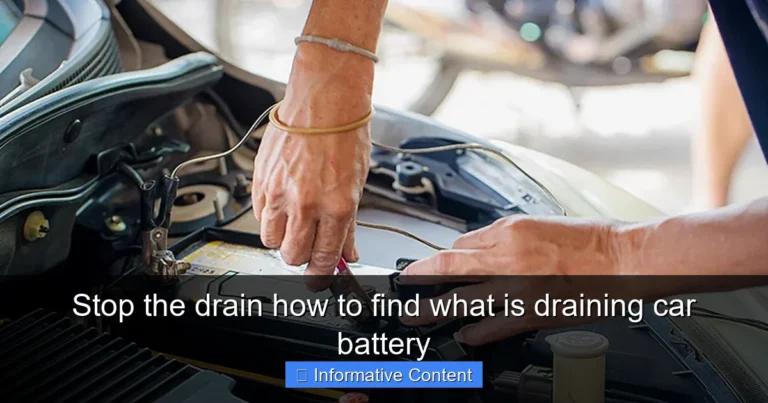
Diagnosing a parasitic drain usually requires a multimeter and some patience. You’ll typically connect the multimeter in series with the negative battery terminal and then systematically pull fuses one by one to see which circuit is drawing excessive current. It’s a bit like detective work, but it’s essential when your car battery keeps dying without an obvious cause.
User Habits and Environmental Factors
Sometimes, the reason your car battery keeps dying has less to do with mechanical failure and more to do with how you use your vehicle, or even the weather.
The “Oops! I Forgot” Moments
Let’s be honest, we’ve all done it. Leaving your headlights on, forgetting to turn off the interior dome light, or having the radio playing for an extended period with the engine off can quickly drain a battery. Modern cars often have features to prevent this, but older models or specific circumstances can still lead to these “oops” moments.
Short Trips Aren’t Your Battery’s Friend
If your daily driving consists mainly of very short trips (a few minutes here and there), your alternator might not have enough time to fully recharge the battery after starting the engine. Over time, this can lead to a chronically undercharged battery, making it seem like your car battery keeps dying, when it’s just not getting enough juice.
Temperature Extremes: Hot and Cold
Both extreme heat and extreme cold can negatively impact your battery’s performance and lifespan.
- Heat: Excessive heat accelerates the evaporation of battery fluid and internal corrosion, shortening its life.
- Cold: While cold weather doesn’t damage the battery itself, it significantly reduces its cranking power and makes the engine oil thicker, requiring more effort to start. A weaker battery combined with cold can easily lead to a no-start situation.
Your First Line of Defense: Simple Troubleshooting Steps
Before you panic or call for a tow, there are several straightforward checks you can perform when your car battery keeps dying.
The Visual Inspection
Pop the hood and take a good look at your battery. Are the terminals clean and tight? Are there any cracks or bulges in the battery casing? Look for loose or frayed wires around the battery. Sometimes, a loose connection is all it takes to prevent a proper charge.
Using a Multimeter: Your Best Friend
A simple multimeter can be an invaluable tool. Here’s how to use it:
- Car Off: A fully charged 12-volt battery should read around 12.6 volts or higher with the engine off. Anything significantly lower indicates a discharged battery.
- Car Running: With the engine on, your multimeter should read between 13.7 and 14.7 volts. This indicates that your alternator is working correctly and charging the battery. If it’s below 13.7V, your alternator might be failing.
Safely Jump-Starting Your Vehicle
Knowing how to safely jump-start your car is a crucial skill. Always connect the positive (+) terminal of the dead battery to the positive (+) terminal of the good battery, then connect the negative (-) terminal of the good battery to an unpainted metal surface on the dead car’s engine block (not directly to the dead battery’s negative terminal). Follow the instructions carefully to avoid sparks or damage.
To help you understand your battery’s health, here’s a quick guide to what typical voltage readings mean:
| Battery Voltage (Car Off) | Interpretation |
|---|---|
| 12.6V or higher | Fully charged and healthy. |
| 12.4V | 75% charged. Might need a top-up charge. |
| 12.2V | 50% charged. Getting low, consider charging. |
| 12.0V or lower | Significantly discharged. Your car likely won’t start, and this is why your car battery keeps dying. |
Keep in mind these are general guidelines for a 12-volt battery. Readings slightly below 12.6V when the car is off could indicate an aging battery or a parasitic drain.
When to Call in the Cavalry: Professional Help
While DIY troubleshooting can solve many common issues, there are times when it’s best to call in the experts. Don’t feel discouraged if you can’t pinpoint the problem; automotive electrical systems can be complex.
When DIY Isn’t Enough
If you’ve gone through all the steps, checked your battery’s age and connections, tested your alternator, and your car battery keeps dying, it’s a good indication that a deeper, more complex electrical issue is at play. Persistent parasitic drains, especially those stemming from internal module failures or complex wiring problems, are incredibly difficult to track down without specialized diagnostic tools and expertise.
The Benefits of Expert Diagnosis
A professional mechanic has the experience and equipment to accurately diagnose stubborn issues. They can perform advanced load tests on your battery, precisely pinpoint subtle parasitic drains, and identify underlying electrical faults that might be causing your car battery to keep dying. Investing in a professional diagnosis can save you a lot of time, frustration, and potentially costly trial-and-error repairs in the long run.
Conclusion
Having your car battery keep dying is a truly frustrating experience, but as you’ve seen, it’s rarely a random act. By understanding the common culprits – from an aging battery and faulty alternator to hidden parasitic drains and even your own driving habits – you’re now equipped with the knowledge to approach the problem systematically.
Whether it’s a simple fix like cleaning corrosion, a necessary replacement, or a more involved diagnostic process, taking proactive steps can save you time, money, and stress. Remember, regular maintenance and being aware of the signs are your best defense against unexpected dead battery moments. So, the next time your car battery keeps dying, you’ll be ready to find the real culprit and get back on the road with confidence. Drive safe!
Frequently Asked Questions
Why does my car battery keep dying even after I’ve charged it?
If your car battery keeps dying shortly after being charged, the issue is likely not just the battery itself. It could be a problem with your alternator failing to recharge the battery while you drive, or a “parasitic drain” where something is drawing power even when the car is off.
How can I tell if my alternator is causing my car battery to keep dying?
Common signs of a failing alternator include dimming headlights, a battery warning light on your dashboard, or the car stalling shortly after a jump start. You can test your alternator’s output with a multimeter, which should show a voltage between 13.5 to 14.5 volts when the engine is running.
Is it possible my car battery keeps dying simply because it’s old?
Yes, an aging battery is a very common reason for a car battery to keep dying. Most car batteries have a lifespan of 3-5 years, and as they age, their capacity to hold a charge diminishes significantly, especially in extreme temperatures.
What are common “parasitic drains” that make a car battery keep dying?
Parasitic drains are components that draw power even when your car is off. Common culprits include interior lights left on, a faulty trunk or glove box light, aftermarket accessories like alarms or stereos that are incorrectly wired, or even a failing computer module in your vehicle.
Can short trips contribute to my car battery keeping dying repeatedly?
Absolutely. Very short drives often don’t allow your alternator enough time to fully recharge the battery after the energy used during startup. Regularly making only short trips can progressively deplete your battery’s charge, leading to it dying more frequently over time.
My car battery keeps dying but seems fine when tested. What else could it be?
Even if the battery tests well, the problem could be poor connections. Loose or corroded battery terminals can prevent proper charging and discharge. Other less common causes include a faulty starter drawing excessive power, or even extreme cold weather severely impacting the battery’s performance and capacity.