Can a car battery explode The facts you need to know now

Featured image for can a car battery explode
Image source: openclipart.org
Yes, a car battery can explode, though it is a relatively rare occurrence. This danger arises primarily from the buildup of highly flammable hydrogen gas, which can be ignited by a spark from a short circuit, overcharging, or improper handling like incorrect jump-starting. Understanding these risks and always following proper safety procedures is crucial to prevent serious injury.
Can a car battery explode? The facts you need to know now
Picture this: You’re under the hood of your car, maybe giving it a jump start on a chilly morning, or just checking the fluid levels. Suddenly, a little voice in the back of your mind whispers, “Can a car battery explode?” It’s a scary thought, isn’t it? That powerful box of chemicals providing juice to your vehicle could potentially turn into something far more dangerous.
Let’s be honest, the idea of a car battery exploding isn’t just something from action movies. There’s a real, albeit rare, possibility. This concern often leads to cautious handling, or sometimes, outright avoidance of battery maintenance. But fear not! My friend, you’re about to get the lowdown on exactly what makes a car battery tick, why it might pose a risk, and most importantly, how to keep yourself and your vehicle safe.
We’re going to dive deep into the facts, demystify the science, and equip you with the knowledge to handle your car battery with confidence. Understanding the “how” and “why” behind a potential car battery explosion is the first step toward preventing it. So, let’s peel back the layers and discover the truth together.
Key Takeaways
- Car batteries can explode: Understand the risks, though rare.
- Hydrogen gas causes explosions: It’s highly flammable near a spark.
- Prevent sparks near batteries: Never create sparks around gassing batteries.
- Avoid overcharging your battery: This generates dangerous hydrogen gas.
- Inspect for battery damage: Swelling or leaks signal danger.
- Ensure proper ventilation: Especially when charging to disperse gases.
- Wear safety gear always: Protect eyes and hands during battery work.
📑 Table of Contents
- Understanding How a Car Battery Works (Briefly)
- The Main Culprit: Hydrogen Gas Accumulation
- What Triggers a Car Battery Explosion? (The Ignition Sources)
- Signs Your Car Battery Might Be at Risk
- How to Prevent a Car Battery Explosion: Safety First!
- What to Do if the Unthinkable Happens (Though Rare!)
- Conclusion
Understanding How a Car Battery Works (Briefly)
Before we jump into the dramatic side of things, let’s quickly understand what a car battery actually does. It’s a fundamental component of your vehicle, responsible for starting your engine and powering various electrical systems when the engine isn’t running. Knowing its basics helps us grasp the potential risks.
The Chemical Magic Inside
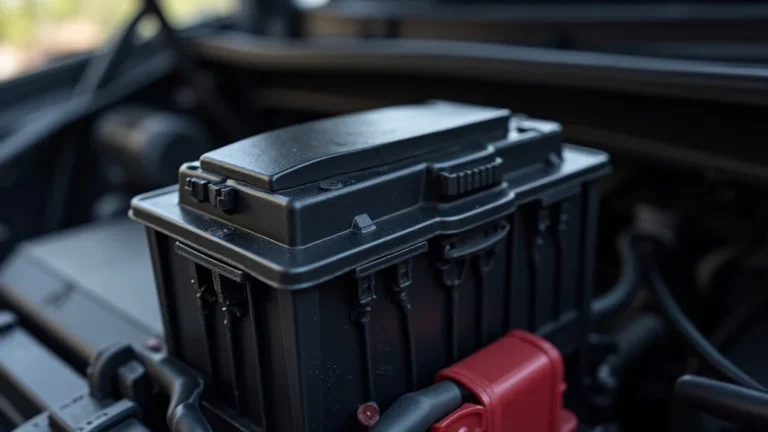
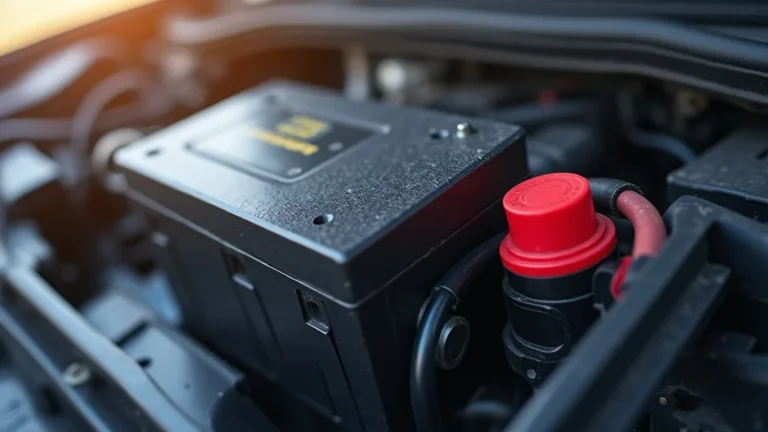
Most car batteries are lead-acid batteries. Inside that sturdy plastic case are lead plates (positive and negative) submerged in an electrolyte solution, which is a mix of sulfuric acid and water. When you start your car, a chemical reaction occurs, generating electrons and producing electricity. When your car is running, the alternator recharges the battery, reversing the chemical process.
Why Voltage Matters
Standard car batteries are 12-volt systems, meaning they deliver 12 volts of power. While this voltage isn’t usually dangerous on its own in terms of direct shock, the massive amount of current a battery can supply (hundreds of amps) is what makes it powerful – and potentially hazardous if mishandled. It’s this immense power that fuels the concern about whether a car battery explode.
The Main Culprit: Hydrogen Gas Accumulation
This is where the risk of a car battery explode truly begins. The normal operation and charging of a lead-acid battery produce a byproduct that can be highly flammable: hydrogen gas. Understanding this process is key to prevention.
Electrolysis and Gas Production
When a battery is being charged, especially if it’s overcharged or nearing the end of its life, the water in the electrolyte solution can undergo a process called electrolysis. This breaks down the water (H₂O) into its constituent elements: hydrogen gas (H₂) and oxygen gas (O₂). Hydrogen is extremely flammable, and when mixed with oxygen, it becomes highly explosive. Think of it like a miniature science experiment happening right under your hood.
Trapped Gases: A Ticking Bomb?
Modern car batteries are designed with vents to allow these gases to escape safely. However, if these vents become clogged or if the battery is faulty or damaged, the hydrogen gas can accumulate inside the battery case. When enough hydrogen builds up in a confined space, even a small spark can trigger a sudden, violent expansion – essentially, a car battery explosion. This trapped gas is the primary reason why a car battery explode, though thankfully, it’s rare.
What Triggers a Car Battery Explosion? (The Ignition Sources)
Hydrogen gas alone isn’t enough; it needs an ignition source. This is where human error or external factors often come into play. Being aware of these triggers is crucial for preventing a car battery explode.
Sparks from Jumper Cables
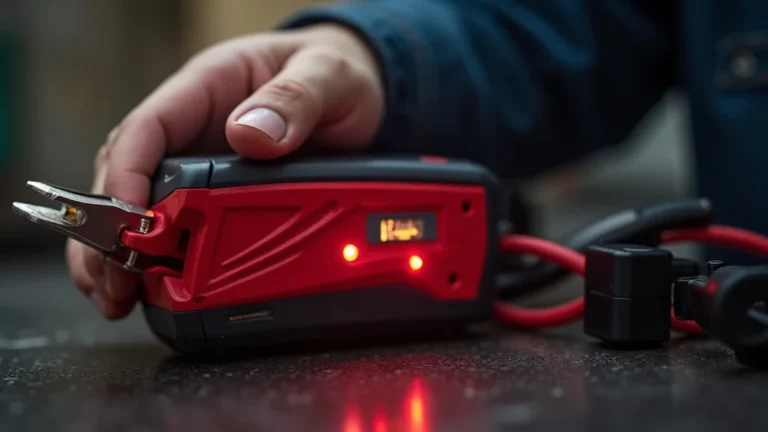
This is probably the most common scenario associated with battery explosions. Connecting or disconnecting jumper cables incorrectly can create a spark. If there’s a build-up of hydrogen gas around the battery, that spark can ignite it. Always connect the positive (+) cable first, then the negative (-) to the engine block (a metal ground point) on the dead car, away from the battery itself, to minimize spark risk.
Static Electricity
Believe it or not, even static electricity from your clothes or skin can generate a small spark sufficient to ignite hydrogen gas. This is why it’s always a good idea to ground yourself before working on a battery, and to avoid wearing synthetic materials that build up static easily.
Open Flames or Smoking
This one seems obvious, but it’s worth reiterating. Never, ever smoke or use an open flame (like a lighter or torch) near a car battery. The highly flammable hydrogen gas doesn’t need much encouragement to ignite, leading to a dangerous car battery explode.
Short Circuits
Dropping a metal tool across the battery terminals can instantly create a short circuit, generating a massive spark and potentially causing the battery to explode. Always be meticulous about keeping metal objects away from the battery terminals and use insulated tools whenever possible.
Signs Your Car Battery Might Be at Risk
While a car battery explode is uncommon, your battery often gives you warning signs if it’s in distress. Paying attention to these clues can help you take preventative action and avoid a dangerous situation.
Bulging or Swelling Casing
If the sides of your car battery look swollen, puffy, or misshapen, this is a serious red flag. It indicates excessive internal pressure from gas buildup, or sometimes internal damage. A bulging battery is under immense stress and at a higher risk of a car battery explode. It needs to be replaced immediately and handled with extreme care.
Strong, Rotten-Egg Smell
That distinctive, unpleasant smell of rotten eggs near your battery is actually hydrogen sulfide gas – a strong indicator that sulfuric acid is escaping or that the battery is severely overcharging and gassing excessively. This smell means trouble and signifies a potential risk of a car battery explode.
Leaking Acid
Any signs of corrosion or leakage around the battery terminals or casing should be addressed immediately. Battery acid is highly corrosive and can damage your vehicle’s components, but more importantly, it means the battery isn’t sealed properly, allowing gases to escape or build up in uncontrolled ways.
Excessive Corrosion
While a little corrosion is common, excessive green or white powdery buildup around the terminals suggests improper ventilation or leaking. This can also lead to poor electrical connections, overheating, and increased risk. Regular cleaning can help prevent severe corrosion.
How to Prevent a Car Battery Explosion: Safety First!
The good news is that preventing a car battery explode is largely within your control. By following simple safety procedures and performing a little regular maintenance, you can drastically reduce any risk.
Proper Jumper Cable Use (Detailed Steps)
This is critical. Always follow these steps to avoid sparks and potential hydrogen gas ignition:
- Ensure both cars are turned off.
- Connect one red (+) clamp to the positive terminal of the dead battery.
- Connect the other red (+) clamp to the positive terminal of the good battery.
- Connect one black (-) clamp to the negative terminal of the good battery.
- Connect the other black (-) clamp to a clean, unpainted metal surface on the engine block or frame of the dead car, away from the battery. This is crucial for grounding and preventing sparks near the battery itself.
- Once started, disconnect in reverse order: black from dead car, black from good car, red from good car, red from dead car.
Regular Battery Maintenance
A little care goes a long way. Check your battery regularly for signs of damage, swelling, or excessive corrosion. Ensure the terminals are clean and tight. For batteries that allow it, check the electrolyte levels and top up with distilled water if needed (always wear eye protection and gloves!).
Safe Charging Practices
When charging a car battery, use a charger with an automatic shut-off feature to prevent overcharging. Always charge in a well-ventilated area to allow any hydrogen gas to dissipate. Never charge a frozen battery, as it can cause internal damage and an increased risk of a car battery explode.
Handling a Damaged Battery
If you suspect your battery is damaged, bulging, or leaking, treat it with extreme caution. Wear protective gear (gloves, eye protection) and avoid creating any sparks. It’s best to have a professional handle its removal and replacement. Never try to “fix” a bulging battery.
What to Do if the Unthinkable Happens (Though Rare!)
While incredibly rare, if a car battery explode, knowing what to do is important for your safety and the safety of others.
Prioritize Safety
If a battery explosion occurs, immediately evacuate the area and ensure no one is injured. Battery acid is highly corrosive, so avoid contact. If skin or eyes are exposed, flush with copious amounts of water for at least 15 minutes and seek medical attention immediately.
Seek Professional Help
Do not attempt to clean up the aftermath or handle the damaged battery yourself. Call emergency services if there’s a fire or significant damage, and then contact a professional mechanic or tow service. They have the proper equipment and knowledge to safely assess the situation and dispose of the hazardous materials.
Conclusion
So, can a car battery explode? Yes, it absolutely can. But here’s the reassuring part: it’s a remarkably rare event, almost always caused by a combination of specific conditions and mishandling. Your car battery isn’t a ticking time bomb waiting to go off.
By understanding how hydrogen gas is produced, what ignites it, and the warning signs of a distressed battery, you are now well-equipped to prevent such an incident. Simple precautions like proper jumper cable use, regular maintenance, and mindful charging practices are your best defenses. Always approach your battery with respect for its power, but never with unnecessary fear. Stay safe out there, my friend!
Frequently Asked Questions
Can a car battery explode, and how often does it happen?
Yes, a car battery *can* explode, though it’s a relatively rare occurrence. The most common cause is the ignition of hydrogen gas that can build up inside the battery during charging or discharge cycles. While infrequent, it’s a serious hazard due to the corrosive acid and potential force involved.
What common situations can cause a car battery to explode?
Overcharging is a primary culprit, as it generates excessive hydrogen gas and heat, increasing internal pressure. Sparking near a gassing battery (e.g., during jump-starting or connecting/disconnecting terminals incorrectly) can ignite this gas. Additionally, a severe short circuit or internal battery failure can generate enough heat and gas to cause an explosion.
Are there any warning signs that indicate a car battery might be about to explode?
Yes, look for signs such as a swollen or bulging battery case, a strong rotten-egg smell (sulfur gas), or visible leaks of corrosive fluid around the terminals or casing. Excessive heat emanating from the battery and hissing sounds can also indicate dangerous internal pressure or gassing. If you observe these, exercise extreme caution and avoid touching the battery.
What should I do if I suspect my car battery is about to explode or is already failing dangerously?
If it’s safe to do so, immediately disconnect the battery, starting with the negative terminal first to avoid sparks. If the situation appears too risky, move away from the vehicle and call for professional roadside assistance or emergency services. Never try to touch or move a visibly swollen, smoking, or leaking battery.
How can I safely prevent my car battery from exploding?
Always ensure proper ventilation when charging a battery to allow hydrogen gas to dissipate safely. Avoid overcharging by using a charger with an automatic shut-off feature, and connect/disconnect cables correctly to prevent sparks. Regularly inspect your battery for signs of damage or leaks and maintain clean terminals to prevent short circuits.
What are the primary dangers if a car battery does explode?
An exploding car battery can propel corrosive sulfuric acid over a wide area, causing severe chemical burns to skin and eyes, and damaging vehicle paintwork. The force of the explosion can also send battery fragments flying, posing a risk of impact injury. Additionally, the ignited hydrogen gas can cause a flash fire in the immediate vicinity.