What Is A Battery Maintainer Used For To Save Your Battery
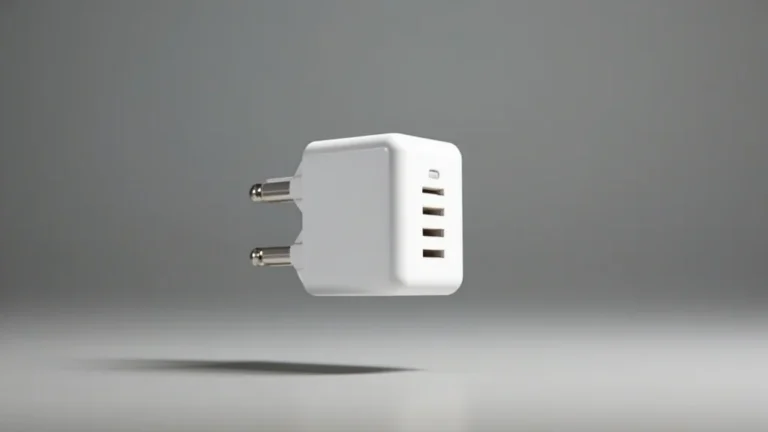
Featured image for what is a battery maintainer used for
Image source: pngimg.com
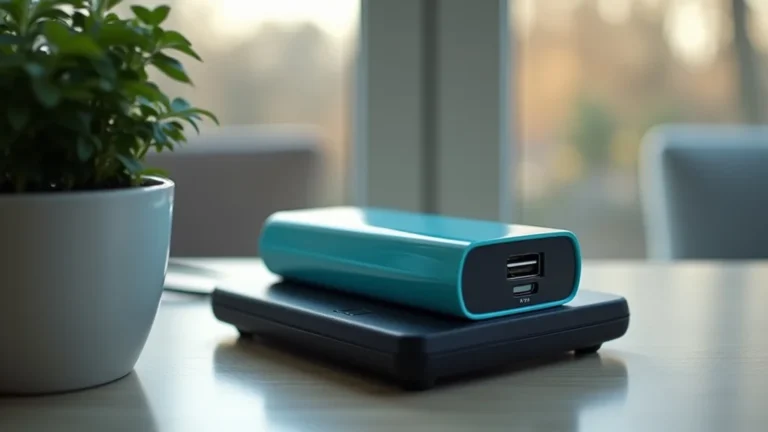
A battery maintainer is primarily used to prevent your vehicle’s battery from discharging and suffering damage during periods of inactivity, effectively extending its lifespan. By supplying a gentle, continuous charge, it keeps the battery at optimal voltage, combating natural self-discharge and harmful sulfation. This ensures your battery remains healthy and ready for use whenever you need it, ultimately saving you the cost and hassle of frequent replacements.
Ever walked out to your pride and joy – be it a classic car, a trusty motorcycle, or even your everyday commuter after a long vacation – only to be greeted by that disheartening silence when you turn the key? That frustrating click-click-click, or worse, absolutely nothing? It’s a feeling many of us know all too well, and it usually signals one thing: a dead battery.
That initial jolt of annoyance quickly turns into a scramble for jumper cables, a call to a friend, or perhaps even a service call. Not exactly how you envisioned starting your day, right? What if I told you there’s a simple, affordable device that can help you avoid this common headache, keep your battery in prime condition, and ultimately save you money and hassle? Enter the unsung hero of automotive care: the battery maintainer.
A battery maintainer isn’t just a fancy gadget; it’s an essential tool for anyone who wants to extend the life of their vehicle’s battery and ensure it’s always ready to go. Think of it as preventative medicine for your battery, keeping it healthy and charged, preventing the slow decay that often leads to premature failure. Let’s dive into what this handy device is all about and why it might just be the best investment you make for your vehicles.
Key Takeaways
- Prevent Battery Drain: Keep stored vehicles’ batteries optimally charged.
- Extend Battery Lifespan: Maintain peak performance and prevent premature failure.
- Combat Self-Discharge: Ensure your battery is always ready to start.
- Smart Charging: Avoid overcharging with intelligent float mode technology.
- Save Replacement Costs: A maintainer is cheaper than a new battery.
- Essential for Storage: Perfect for cars, boats, and RVs stored seasonally.
📑 Table of Contents
The Silent Killer of Batteries: Self-Discharge
What Is Self-Discharge?
Even when your car, boat, or motorcycle is parked and completely off, its battery is slowly but surely losing charge. This phenomenon is called self-discharge, and it’s a natural process for all lead-acid batteries. Imagine a leaky bucket – the water level slowly drops even if you’re not using it. Factors like the battery’s age, its overall health, and especially ambient temperature can accelerate this process. Modern vehicles, with their numerous electronic components, alarm systems, and onboard computers, also create what’s known as “parasitic drains,” which silently sip power from your battery, even when the ignition is off.
The Cost of a Dead Battery
The inconvenience of a dead battery is obvious, but there’s a deeper, more damaging consequence. When a battery is left in a state of low charge for an extended period, it begins to suffer from sulfation. This is when lead sulfate crystals build up on the battery plates, reducing its capacity to hold a charge and deliver power. Repeated deep discharges can permanently damage the battery, significantly shortening its lifespan. What might have been a perfectly good battery with years of life left can be rendered useless in just a few months of neglect.
What Exactly Is a Battery Maintainer?
More Than Just a Trickle Charger
You might have heard of a “trickle charger,” and while a battery maintainer performs a similar function – keeping a battery topped up – it’s far more advanced and safer. Older trickle chargers would continuously feed a small, steady current into the battery, which, if left connected indefinitely, could lead to overcharging, overheating, and ultimately damage to the battery. This is where the battery maintainer truly shines.
How It Works Its Magic
A modern battery maintainer is a “smart” device. It constantly monitors your battery’s voltage and current, adapting its charging output as needed. Most maintainers utilize a multi-stage charging process, similar to what a full-sized battery charger would use, but on a smaller scale:
- Desulfation (if needed): Some advanced battery maintainers can help break down sulfate crystals that have started to form.
- Bulk Charge: If the battery’s charge is low, the maintainer will deliver a steady, higher current to bring it up to about 80% capacity.
- Absorption Charge: The current then tapers off as the battery approaches full charge, preventing overcharging.
- Float/Maintenance Mode: Once fully charged, the battery maintainer switches to a “float” or maintenance mode. In this stage, it sends only a tiny amount of current, just enough to counteract self-discharge, keeping the battery at its optimal voltage without overcharging. It effectively “floats” the battery at full charge, ready for use at any moment.
Who Needs a Battery Maintainer? (And For Which Vehicles)
If you own any vehicle or equipment that sits unused for more than a few weeks at a time, a battery maintainer is an indispensable tool.
Seasonal Vehicles
- Classic Cars: These beauties are often stored for months, making them prime candidates for sulfation. A maintainer keeps the battery fresh for that first spring drive.
- Motorcycles & ATVs: With smaller batteries more susceptible to self-discharge and often stored over winter, a battery maintainer is a must-have.
- RVs & Boats: Whether docked for the winter or parked between adventures, these vehicles have large batteries that benefit immensely from consistent maintenance.
- Lawn Mowers & Garden Tractors: After the growing season, these often sit idle for extended periods. A maintainer ensures they fire up easily next spring.
Infrequently Used Vehicles
Even if it’s not strictly seasonal, any car that sits for two weeks or more without being driven regularly can benefit. Modern cars, with all their advanced electronics, can draw a surprising amount of power even when off. A battery maintainer keeps your daily driver ready to go, especially if you travel frequently or have a secondary vehicle.
Beyond Vehicles
Battery maintainers aren’t just for engines! They’re also fantastic for deep cycle batteries used in solar setups, backup power generators, or even golf carts that aren’t used daily. Anywhere a lead-acid battery needs to stay ready and healthy for extended periods, a battery maintainer is your friend.
The Lifespan-Extending Benefits of Regular Maintenance
Preventing Sulfation
As we touched upon, sulfation is the primary enemy of a healthy battery. When a battery is undercharged or left discharged, lead sulfate crystals build up on the battery plates, hardening and reducing the battery’s ability to hold and deliver power. A battery maintainer, by keeping your battery consistently at its optimal charge, actively prevents this harmful process, or in some cases, can even reverse mild sulfation with its desulfation modes, thereby significantly extending the battery’s useful life.
Maximizing Battery Performance
A well-maintained battery delivers consistent, strong starting power. You won’t have to worry about weak cranks or hesitant starts. Your vehicle will fire up reliably every time, providing peace of mind and dependable performance, whether you’re heading to work or embarking on a long-awaited road trip.
Saving Money in the Long Run
Batteries aren’t cheap. Replacing a car battery can cost anywhere from $100 to $300 or more, depending on the vehicle. By using a battery maintainer, you can easily double or even triple the life of your battery, turning a typical 3-5 year lifespan into 6-10 years. This translates into significant savings over time, not to mention avoiding the costs and inconvenience of roadside assistance or a tow. It’s a small investment that pays for itself many times over.
Choosing and Using Your Battery Maintainer Effectively
Key Features to Look For
When picking a battery maintainer, consider these features:
- Automatic Voltage Detection: Ensures it works with both 6V and 12V batteries.
- Spark-Proof & Reverse Polarity Protection: Essential safety features to prevent accidents and damage.
- Water & Dust Resistance (IP Rating): If you plan to use it outdoors or in a garage, an IP rating (e.g., IP65) indicates its durability against elements.
- Multi-Stage Charging: Confirms it’s a “smart” maintainer, not just a basic trickle charger.
- Amperage: For a maintainer, usually a low amperage (0.75A to 2A) is perfect. Higher amperage chargers are for quickly replenishing deeply discharged batteries.
Simple Steps for Connection
Using a battery maintainer is incredibly straightforward:
- Safety First: Work in a well-ventilated area, and consider wearing safety glasses.
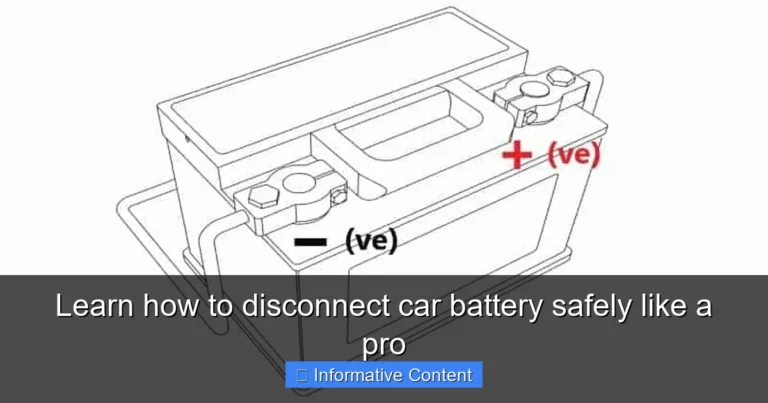
- Connect to Battery: Attach the red clamp to the positive (+) battery terminal and the black clamp to the negative (-) terminal (or a good chassis ground if specified by your vehicle’s manual).
- Plug It In: Once securely connected to the battery, plug the maintainer into a standard wall outlet.
- Set It and Forget It: The maintainer will typically have indicator lights showing its status (charging, fully charged, fault). Once it’s in maintenance or float mode, you can leave it connected for extended periods.
When NOT to Use a Maintainer
A battery maintainer is for maintenance, not resuscitation. If your battery is severely dead (below 10V), deeply damaged, or won’t hold a charge at all, it likely needs a full-fledged battery charger first, or even a replacement. A maintainer will struggle to bring a truly dead battery back to life. Also, ensure your vehicle doesn’t have an excessive parasitic draw that drains the battery faster than the maintainer can keep up; that’s a problem needing a mechanic’s attention.
When to Use a Battery Maintainer
| Vehicle/Equipment Type | Typical Storage Time (Without Maintainer) | Recommended Maintainer Use |
|---|---|---|
| Classic Car | 2-4 weeks (risk of deep discharge) | Continuous during storage season (e.g., winter) |
| Motorcycle/ATV | 1-3 weeks (smaller battery, higher risk) | Continuous during off-season or long breaks |
| Boat/RV | 1-2 months (depending on parasitic loads) | Continuous during winterization/storage periods |
| Infrequently Used Car | 4-6 weeks (modern cars have more electronics) | Connect if unused for >2-3 weeks |
| Lawn Mower/Tractor | 2-3 months (seasonal use) | Connect during non-use season |
In conclusion, a battery maintainer isn’t just another gadget; it’s a smart investment in the longevity and reliability of your vehicle’s battery. By preventing the harmful effects of self-discharge and sulfation, it ensures your battery remains healthy, performs optimally, and is always ready for action when you need it most. It eliminates the frustration of dead batteries, saves you money on premature replacements, and gives you invaluable peace of mind. So, if you have a vehicle that sits idle for extended periods, consider adding a battery maintainer to your garage. Your battery – and your future self – will thank you for it.
Frequently Asked Questions
What is the primary purpose of a battery maintainer?
A battery maintainer is designed to keep a battery at its optimal charge level over extended periods. It prevents the natural discharge that occurs when a battery isn’t being used, thus prolonging its lifespan.
How is a battery maintainer different from a regular battery charger?
Unlike a standard charger that delivers a high current to quickly recharge a depleted battery, a battery maintainer provides a slow, pulsed charge. It’s meant for maintenance, not rapid charging, ensuring the battery stays topped off without overcharging.
When should I use a battery maintainer for my vehicle or equipment?
You should use a battery maintainer on vehicles, motorcycles, boats, RVs, or lawn equipment that will be stored for weeks or months without use. This ensures the battery remains healthy and ready to go when you are.
Can a battery maintainer revive a completely dead battery?
Generally, no. A battery maintainer is not designed to recharge a deeply discharged or “dead” battery; its purpose is to maintain an already charged battery. For a dead battery, you’ll likely need a dedicated battery charger, and even then, some batteries may be beyond saving.
Is it safe to leave a battery maintainer connected indefinitely?
Yes, modern battery maintainers are specifically designed to be left connected for long periods without damaging the battery. They use smart technology to monitor the battery’s voltage and only charge when necessary, preventing overcharging.
How does using a battery maintainer help save my battery in the long run?
By consistently preventing the battery from fully discharging, a maintainer dramatically reduces internal stress and sulfation, common causes of battery failure. This proactive approach significantly extends the overall lifespan of your battery, saving you money on replacements.