Master How to Use Anti Corrosion Pads for Lasting Protection
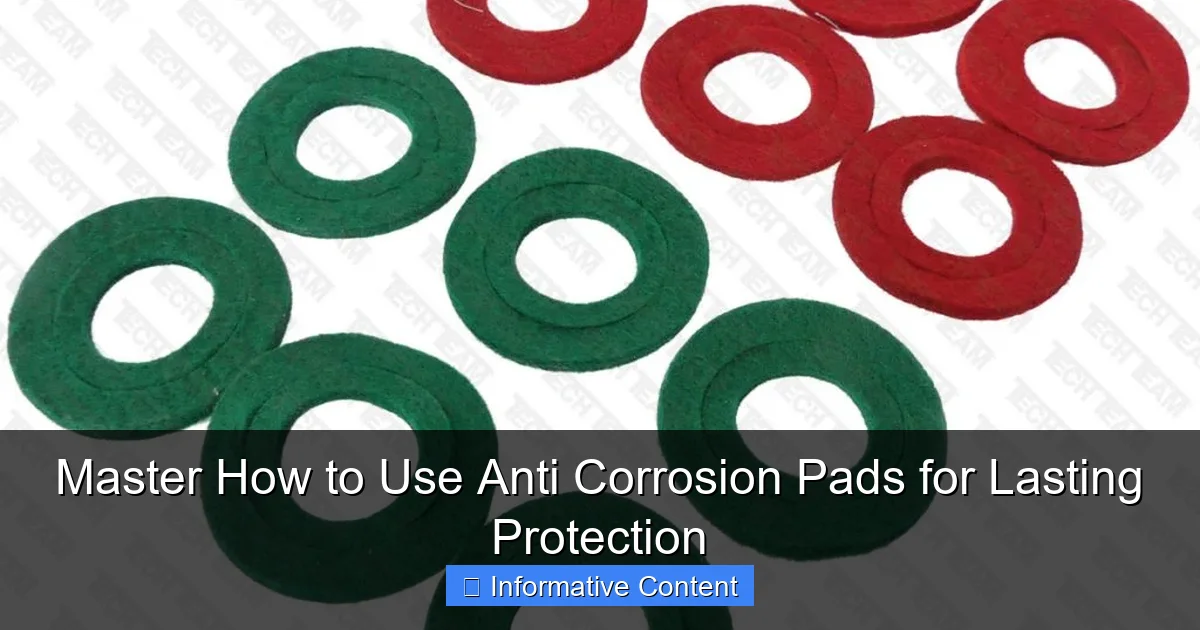
Featured image for how to use anti corrosion pads
Image source: techteamproducts.com
Mastering the correct application of anti-corrosion pads is crucial for ensuring lasting protection against rust and degradation. This guide illuminates the essential steps, from proper surface preparation and strategic placement to understanding material compatibility, guaranteeing your valuable assets remain safe from corrosive elements. Employ these techniques to extend equipment lifespan and maintain optimal performance effectively.
Have you ever reached for that trusty tool, only to find it covered in a reddish-brown enemy? Or opened an electrical enclosure, cringing at the sight of delicate components starting to lose their shine, hinting at future failure? It’s a frustrating and often costly experience, isn’t it? That silent, relentless attacker is corrosion, and it lurks everywhere, threatening our valuable possessions and equipment.
For years, people have tried various methods to fight rust – greasing, oiling, painting. While these can offer some protection, they often involve messy applications or don’t provide long-term, comprehensive defense, especially in enclosed spaces where moisture and oxygen conspire against your metals. But what if I told you there’s a simple, clean, and incredibly effective solution that acts like an invisible shield for your metals? Enter anti corrosion pads.
These unassuming little pads are true game-changers in the battle against rust. They’re easy to use, residue-free, and can significantly extend the life of your tools, electronics, and other metal items. In this comprehensive guide, we’re going to dive deep into understanding these marvels. We’ll explore how they work, how to choose the right ones, and most importantly, master how to use anti corrosion pads effectively for lasting protection. Let’s get started!
Key Takeaways
- Prepare Surfaces: Always clean and dry metal items thoroughly before applying pads.
- Ensure Contact: Place pads for direct contact or close proximity to the metal surface.
- Seal Tightly: Use an airtight enclosure (bag, box) to activate VCI and contain protective vapors.
- Choose Right Size: Select pad size based on the enclosure volume for comprehensive corrosion coverage.
- Inspect Regularly: Periodically check protected items; replace pads every 1-2 years for peak performance.
- Minimize Handling: Avoid touching the VCI pad’s active surface to maintain its full potency.
📑 Table of Contents
Understanding the Enemy: What is Corrosion?
Before we learn how to wield our protective pads, let’s briefly understand the adversary. Knowing your enemy always helps in crafting a better defense, right?
The Science Behind the Rust
At its heart, corrosion is an electrochemical process. Simply put, it’s what happens when a refined metal, like iron, wants to return to its natural, more stable state, like iron oxide (rust). This process usually requires three things: a metal, an electrolyte (like moisture), and an electron acceptor (like oxygen). When these elements come together, the metal begins to degrade, forming rust or other corrosive by-products. It’s like a tiny, silent battery slowly eating away at your belongings.
Why Regular Protection Matters
Ignoring corrosion isn’t just about aesthetics; it has real-world consequences. Rust weakens metal structures, can cause electrical malfunctions, lead to expensive repairs, and even create safety hazards. Imagine a critical circuit board failing due to corrosion, or a vintage tool becoming unusable. Proactive protection using tools like anti corrosion pads isn’t just a good idea; it’s essential for preserving value and ensuring reliability.
What Exactly Are Anti Corrosion Pads?
So, what are these magical little pads, and how do they manage to stop rust in its tracks?
VCI Technology Explained Simply
The secret behind anti corrosion pads lies in something called VCI technology, which stands for Volatile Corrosion Inhibitor. It sounds high-tech, but the concept is beautifully simple. These pads are impregnated with special chemicals that, when exposed to air, slowly vaporize. These invisible VCI molecules then travel through the air within an enclosed space and settle on all exposed metal surfaces. They form a microscopic, protective layer that essentially blocks the interaction between the metal, oxygen, and moisture, thereby preventing the corrosion process. It’s like a force field for your metal!
What’s truly amazing is that this protective layer is residue-free, meaning your items come out clean and ready to use, without needing any wiping or cleaning. And don’t worry, VCI compounds are generally non-toxic and safe for various applications.
Beyond the Basics: Types and Forms
While we often refer to them as “pads,” VCI technology comes in various forms to suit different needs. You’ll commonly find:
- Foam Pads: These are often square or rectangular and come in various sizes. They are great for placing directly into toolboxes, electrical cabinets, or storage bins.
- Paper Inserts: Similar to foam pads but made from VCI-impregnated paper, often used for wrapping individual items or lining boxes.
- Emitters: These are usually small, plastic devices designed to release VCI over a longer period, often with an adhesive backing for easy attachment inside enclosures.
The type you choose often depends on the specific application, the size of the enclosure, and how long you need protection.
Choosing the Right Anti Corrosion Pad for Your Needs
Just like you wouldn’t use a tiny band-aid for a large wound, choosing the right anti corrosion pad is crucial for effective protection. It’s not one-size-fits-all!
Assessing Your Environment and Application
Consider where and what you’re trying to protect:
- Enclosed Spaces vs. Open Areas: VCI technology works best in sealed or semi-sealed environments. The more airtight the space, the more effectively the VCI vapors can build up and protect. For open areas, their effectiveness is significantly reduced.
- Types of Metals: Most VCI pads are “multi-metal” compatible, meaning they protect ferrous metals (iron, steel) and non-ferrous metals (copper, brass, aluminum). However, always check the product specifications if you have very sensitive or unusual alloys.
- Humidity Levels: While VCI pads tackle moisture, extremely high humidity might warrant combining them with desiccant packs for optimal results.
Size Matters: Matching Pad to Enclosure Volume
This is perhaps the most critical factor. Each anti corrosion pad is designed to protect a certain cubic volume of space. Using a pad too small for your enclosure means the VCI concentration won’t be high enough to form an effective protective layer, leaving parts of your items vulnerable. Conversely, using one that’s too large isn’t harmful, but it can be wasteful.
Practical Tip: Always check the manufacturer’s recommendations for the pad’s coverage area (often stated in cubic feet or cubic meters). Measure your enclosure’s length, width, and height, multiply them together to get the volume, and then choose a pad that meets or slightly exceeds that capacity.
Step-by-Step Guide: How to Properly Use Anti Corrosion Pads
Using anti corrosion pads is straightforward, but a few key steps ensure you get the best possible protection.
Preparation is Key
Think of it like painting; preparation makes all the difference. Before introducing your anti corrosion pads:
- Clean and Dry: Ensure all items to be protected are clean and completely dry. Any existing rust, dirt, grease, or moisture can hinder the VCI from reaching the metal surface effectively. Remove existing rust with appropriate methods if necessary.
- Handle with Care: If possible, handle items with clean gloves to avoid leaving fingerprints. The oils and salts from your skin can also initiate corrosion.
Strategic Placement for Optimal Protection
Once your items are prepped, it’s time for the pad:
- Proximity is Important: Place the anti corrosion pad as close as possible to the metal items you want to protect. The VCI vapors need to reach the surfaces.
- Allow Airflow: Ensure the pad isn’t completely covered or obstructed. VCI needs air circulation to vaporize and spread throughout the enclosure. Don’t place it directly underneath heavy items where air can’t reach it.
- Common Locations: Great spots include the lid of a toolbox, taped to the inside wall of an electrical panel, or simply placed loosely in a storage container alongside your items.
- Multiple Pads for Large/Complex Spaces: For very large enclosures or those with many internal compartments, consider using multiple smaller pads distributed strategically to ensure even vapor distribution.
Sealing the Deal: Enclosure is Everything
Remember how VCI works by creating a protective atmosphere? This atmosphere needs to be contained. For your anti corrosion pads to work effectively, the storage container or enclosure must be tightly sealed.
- Airtight is Best: The tighter the seal, the less VCI vapor escapes, and the longer the protective atmosphere lasts. Use containers with good gaskets, lid clamps, or sealable bags.
- Avoid Open-Air Storage: Placing a VCI pad next to an item on an open shelf simply won’t work. The vapors will dissipate, and no protective layer will form.
When to Replace Your Anti Corrosion Pads
VCI pads don’t last forever. Their effectiveness diminishes over time as the inhibitors are released. Generally, once opened and placed in an enclosure, most anti corrosion pads offer protection for 1 to 2 years. Always check the manufacturer’s specific guidelines, as this can vary by product. Some pads have an indicator that changes color when replacement is due, while others might simply recommend a fixed replacement schedule.
Common Mistakes to Avoid and Advanced Tips
Even with the best intentions, it’s easy to make small errors that diminish the effectiveness of your anti corrosion pads. Let’s learn from them!
Don’t Do This! Pitfalls to Steer Clear Of
- Using Pads in Unsealed Containers: As mentioned, this is the biggest mistake. VCI vapors need to be contained.
- Skipping the Cleaning Step: Applying VCI over existing rust or grime is like putting a bandage on a dirty wound; it won’t truly solve the problem.
- Ignoring Manufacturer’s Guidelines: Especially regarding coverage area. Using a pad that’s too small is a waste of effort.
- Placing Pads Directly on Hot Surfaces: High temperatures can accelerate the release of VCI, shortening the pad’s lifespan. Follow temperature guidelines.
Maximizing Protection: Pro Tips
- Combine with Desiccant Packs: In extremely humid environments (like a marine setting or an uninsulated garage), combining VCI pads with desiccant packs (which absorb moisture) creates a synergistic effect for superior protection.
- Label Replacement Dates: Use a marker to write the “installation date” and “next replacement date” directly on the pad or the enclosure. This simple trick helps you stay on schedule.
- Consider VCI Bags and Films: For individual items or tools, VCI bags or stretch films can offer an even more intimate and robust layer of protection, complementing the pads in larger enclosures.
- Ventilate Before Use (for some): If an item has been sealed with a VCI pad for a very long time, some sensitive electronics might benefit from a quick airing out before powering them up, although this is rarely necessary with modern VCI.
Mastering the use of anti corrosion pads is a small investment of time that pays dividends in the longevity and reliability of your valuable metal items. These silent guardians are an incredibly effective, clean, and straightforward solution to a pervasive problem.
By understanding how VCI technology works, choosing the right pads for your specific needs, and following the simple steps for proper application and maintenance, you can virtually eliminate the threat of corrosion. Say goodbye to rusty tools, failing electronics, and the frustration of premature equipment failure. Embrace the power of anti corrosion pads and enjoy the lasting protection they provide, giving you peace of mind and keeping your valuable assets in pristine condition for years to come. Start protecting your gear today – your future self will thank you!
Frequently Asked Questions
What are anti corrosion pads and how do they work?
Anti corrosion pads are impregnated with Volatile Corrosion Inhibitors (VCIs) that emit a protective vapor into an enclosed space. This vapor forms an invisible, molecular layer on metal surfaces, preventing rust and corrosion by disrupting the electrochemical reaction that causes them.
How do I prepare the surface before applying an anti corrosion pad?
Ensure the metal surface is clean, dry, and free from grease, dust, or existing rust before introducing the anti corrosion pad. A clean surface allows the VCI vapors to adhere effectively and provide optimal, long-lasting protection.
What’s the best way to apply an anti corrosion pad for maximum protection?
Simply place the anti corrosion pad in close proximity to the metal components you wish to protect, ideally within an enclosed space like a control panel or toolbox. The VCI vapors will disperse throughout the enclosure to protect all exposed metal surfaces.
Where should I place anti corrosion pads for optimal protection in an enclosure?
Position the anti corrosion pads as centrally as possible within the enclosed space to allow for even distribution of the VCI vapors. For larger enclosures or those with complex geometries, you may need multiple pads placed strategically to ensure full coverage.
How long do anti corrosion pads typically last, and how do I know when to replace them?
Most anti corrosion pads offer protection for 12 to 24 months, depending on the environment and pad size. It’s best to follow the manufacturer’s recommendations and consider replacing them when their effective lifespan is reached or if you notice any signs of corrosion returning.
Can anti corrosion pads be used with all types of metals?
Yes, anti corrosion pads containing multi-metal VCIs are designed to protect a wide range of ferrous and non-ferrous metals, including steel, iron, copper, brass, and aluminum. Always check the specific product specifications to confirm compatibility with your particular metals and alloys.