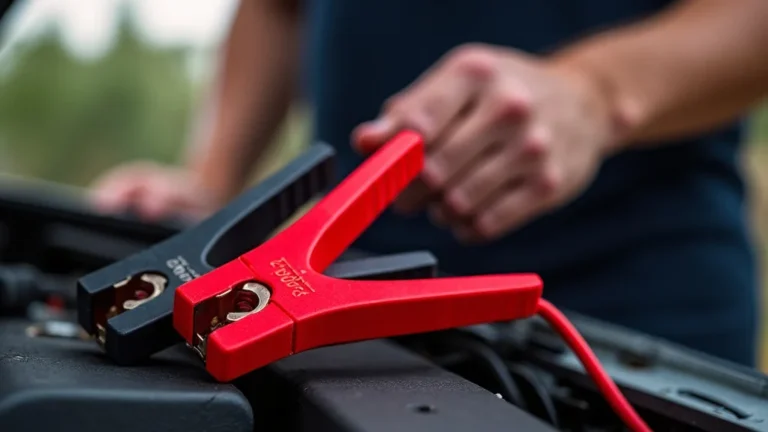
How to Dispose of Old Battery Safely and Responsibly Easy Steps
Featured image for how to dispose of old battery
Image source: howtodispose.info
Never discard old batteries in household trash or recycling bins, as they pose significant fire hazards and environmental pollution risks. Instead, always recycle them responsibly at designated collection points, retail drop-offs, or local hazardous waste facilities. Remember to tape the terminals of 9V and rechargeable batteries to prevent short circuits and ensure safe handling for everyone involved.
Hey there! Ever found yourself staring into that “junk drawer” filled with forgotten relics – old charging cables, mystery keys, and, of course, a collection of dead batteries? You’re not alone. We all have them: those AA’s from a remote, a defunct phone battery, or even those tiny watch cells. It’s easy to just hold onto them, or worse, to toss them in the regular trash without a second thought.
But here’s the thing, friend: how we choose to dispose of old battery can make a surprisingly big difference. Those seemingly harmless power sources can actually be quite harmful to our environment and even pose safety risks if not handled correctly. It might seem like a small detail in your busy life, but knowing how to dispose of old battery properly is a simple, yet powerful, act of responsibility.
Don’t worry, it’s not nearly as complicated as it sounds! In this post, I want to walk you through the easy steps to ensure you’re disposing of old batteries safely and responsibly. Think of it as a friendly guide to decluttering your drawer and doing a little good for the planet at the same time.
Key Takeaways
- Never trash used batteries: They are hazardous waste; recycle properly.
- Identify battery type: Alkaline, lithium, or rechargeable; disposal varies.
- Locate recycling centers: Use online tools to find local drop-off points.
- Tape terminals on lithium: Prevent short circuits, especially for 9V and lithium.
- Store batteries safely: Keep them in a cool, dry place, separate from metals.
- Consult local regulations: Disposal rules differ; check city or county websites.
- Choose rechargeable options: Reduce waste and environmental impact long-term.
📑 Table of Contents
Why Proper Battery Disposal Matters More Than You Think
When you look at a small, dead battery, it’s hard to imagine it causing much trouble. But underneath their plastic or metal casings, batteries contain various chemicals and heavy metals that can be problematic. Understanding these impacts is the first step to knowing why it’s crucial to dispose of old battery correctly.
Environmental Impact: Leaking Toxins
Many batteries, especially older types, contain hazardous materials like lead, cadmium, mercury, and lithium. When these batteries end up in landfills, their casings can corrode over time, allowing these toxic substances to leak into the soil and groundwater. This contamination can harm ecosystems, affect wildlife, and even make its way into our drinking water supply. Proper disposal of old battery ensures these toxins are either safely contained or, ideally, recycled.
Safety Hazards: Fires and Explosions
Beyond environmental concerns, improperly stored or discarded batteries can pose immediate safety risks. Especially common with lithium-ion batteries (found in phones, laptops, and power tools), damage or overheating can lead to thermal runaway, causing fires or even explosions. Imagine a discarded battery in a trash truck or recycling facility causing a fire – it happens more often than you’d think. Knowing how to dispose of old battery prevents these dangerous scenarios.
Understanding Different Battery Types and Their Disposal Needs
Not all batteries are created equal, and neither are their disposal requirements. The good news is, once you know what kind of battery you have, finding its proper disposal method becomes much easier. Here’s a quick rundown of the most common types you’ll encounter when you go to dispose of old battery.
Common Household Batteries (Alkaline, Zinc-Carbon)
These are your everyday AA, AAA, C, D, and 9V batteries. While modern alkaline batteries contain fewer hazardous materials than they once did (no mercury since 1996 in the US), it’s still best practice to recycle them if possible. Some municipalities allow them in regular trash, but recycling them conserves resources and reduces waste. Always check your local guidelines!
Rechargeable Batteries (Li-ion, NiMH, NiCd)
Think smartphone batteries, laptop batteries, power tool batteries, and even rechargeable AA/AAA cells. These are the ones that require special attention. Lithium-ion (Li-ion), Nickel-Metal Hydride (NiMH), and Nickel-Cadmium (NiCd) batteries contain valuable metals and, in the case of Li-ion, can be a fire hazard if punctured or damaged. They should never go into the regular trash. Always seek out specific recycling programs for these when you dispose of old battery.
Button Cell Batteries (Hearing Aids, Watches)
These tiny, flat batteries often contain silver, mercury (older types), or lithium. Due to their small size, they pose a choking hazard for children and pets. Because of their chemical composition, they also require special recycling. It’s especially important to keep these out of landfills.
Car Batteries (Lead-Acid)
These are big and heavy for a reason! Car batteries contain highly corrosive sulfuric acid and lead, both of which are extremely hazardous. They are almost 100% recyclable, and in many places, it’s illegal to dispose of old battery car batteries in the trash. Auto parts stores are usually the best place to return them, often offering a core charge refund.
Here’s a simple guide to common battery types and how to approach their disposal:
| Battery Type | Examples | Key Characteristics | General Disposal Advice |
|---|---|---|---|
| Alkaline/Zinc-Carbon | AA, AAA, C, D, 9V | Common household, non-rechargeable | Recycle if possible; check local trash rules (less hazardous modern versions) |
| Lithium-ion (Li-ion) | Smartphones, laptops, power tools, e-bikes | Rechargeable, high energy density, fire risk if damaged | Always recycle at designated drop-offs (e.g., Call2Recycle) |
| Nickel-Metal Hydride (NiMH) / Nickel-Cadmium (NiCd) | Rechargeable AA/AAA, cordless phones | Rechargeable, contain heavy metals | Always recycle at designated drop-offs |
| Button Cell | Watches, hearing aids, calculators | Small, flat, can contain mercury/lithium, choking hazard | Always recycle at special facilities |
| Lead-Acid | Car, marine, golf cart batteries | Large, heavy, contains lead and acid | Always recycle at auto parts stores or HHW facilities |
Finding Your Local Battery Recycling Options
Okay, so you know why to recycle and what kind of battery you have. Now for the practical part: where to dispose of old battery. Luckily, options are becoming more and more common!
Retail Store Drop-off Programs
Many large retailers offer convenient drop-off points for common rechargeable and even some single-use batteries. Stores like Best Buy, Home Depot, Lowe’s, and sometimes even local supermarkets or office supply stores have collection bins. The national program Call2Recycle partners with many of these locations. It’s a great first place to check when you need to dispose of old battery. A quick call to your local store can confirm what they accept.
Municipal Recycling Centers and Household Hazardous Waste (HHW) Facilities
Your local city or county government is another excellent resource. Many municipalities operate recycling centers that specifically accept batteries, often as part of their Household Hazardous Waste (HHW) program. These facilities are equipped to handle a wide range of hazardous materials, including all types of batteries. Check your local government’s waste management website for schedules, locations, and accepted items. Some areas even have special “HHW days” a few times a year.
Mail-in Recycling Services
If local options are scarce or you have a specific type of battery (like specialty medical batteries), mail-in recycling programs are available. Organizations like Call2Recycle also offer kits for businesses and communities to collect batteries for mail-in. Some companies, like Terracycle, offer specialized boxes for hard-to-recycle items, including certain battery types. While often costing a fee, these are great for those unique situations when you need to dispose of old battery.
Safe Handling and Storage Before Disposal
Before you even head out to recycle, it’s super important to handle and store those dead batteries safely. This minimizes any risks of short circuits or leaks while they wait to be properly disposed of. A little prep goes a long way when you dispose of old battery.
Preventing Short Circuits: Taping Terminals
This is a crucial step, especially for 9-volt batteries and lithium-ion batteries. When the positive and negative terminals of a battery come into contact with metal (or each other), it can create a short circuit, generating heat and potentially causing a fire. To prevent this, simply take a piece of clear Scotch tape or electrical tape and cover the terminals of each battery before storing them. This little trick is vital for safety when you dispose of old battery.
Storing Batteries Safely
Once taped (if needed), store your dead batteries in a cool, dry place away from direct sunlight and extreme temperatures. A non-conductive container, like a plastic bin or cardboard box, is ideal. Avoid storing them in metal containers where terminals could accidentally touch the metal. Keep them separate from new, active batteries to avoid confusion and potential accidental use.
What NOT to Do
- Don’t store different types of batteries together: This can lead to chemical reactions.
- Don’t store them loosely in a metal container: Again, short circuit risk.
- Don’t puncture, crush, or disassemble batteries: This releases hazardous materials and can cause fires/explosions.
- Don’t expose them to extreme heat or water: This can also lead to dangerous reactions.
Debunking Common Battery Disposal Myths
There’s a lot of old information and misconceptions floating around about battery disposal. Let’s clear up a few of the most common myths, so you can confidently dispose of old battery.
“All Batteries Go in the Regular Trash”
Myth Busted! As we’ve discussed, this is a dangerous practice, especially for rechargeable, button cell, and car batteries. Even modern alkaline batteries, while less toxic, are better recycled to recover valuable materials and prevent unnecessary landfill waste. Always assume batteries need special care until you confirm otherwise with local guidelines.
“Alkaline Batteries Are Safe for Landfills”
Partially Busted. While it’s true that modern alkaline batteries (post-1996 in the US) no longer contain mercury and are considered less hazardous than other types, calling them “safe” for landfills isn’t entirely accurate. They still contain materials that can be recycled, like steel, zinc, and manganese. Recycling them helps conserve natural resources and reduces the overall volume of waste in landfills. So, while some local regulations might permit them in the trash, it’s always better to recycle if you can when you dispose of old battery.
“You Can Recharge Any Battery”
Myth Busted! This one can be dangerous. Only batteries specifically labeled “rechargeable” (like NiMH, NiCd, Li-ion) should ever be charged. Attempting to recharge non-rechargeable (primary) batteries like alkaline can cause them to overheat, leak, rupture, or even explode, posing a serious fire and safety hazard. Always check the battery type before putting it in a charger.
What Happens After You Recycle Your Batteries?
It’s pretty cool to think about what happens to those old power cells once you drop them off. Your effort to dispose of old battery responsibly actually kick-starts a fascinating process that benefits everyone.
The Recycling Process
Once collected, batteries are typically sorted by type. Then, specialized facilities process them. For example, lead-acid car batteries are crushed, and the lead, plastic, and acid are separated and treated. Lithium-ion batteries often undergo cryogenic freezing or shredding in inert environments to safely separate valuable metals like cobalt, nickel, and copper. Alkaline batteries are often processed to recover zinc and manganese, which can be used in new products.
The Benefits of Recycling
Recycling batteries isn’t just about preventing pollution; it’s also about resource conservation. By recovering valuable metals and materials, we reduce the need for virgin mining, which saves energy and minimizes environmental disruption. It closes the loop, turning waste into resources and contributing to a more sustainable economy. So, every time you dispose of old battery the right way, you’re making a tangible positive impact!
See? Disposing of old battery isn’t a monumental task, but a series of simple, informed choices. By taking a few extra moments to identify battery types, tape terminals, and drop them off at the right place, you’re doing your part to protect our environment and ensure safety for everyone. It’s a small change with a big positive ripple effect.
So, the next time you find yourself with a handful of dead batteries, remember these steps. Don’t let them languish in a drawer or, worse, end up in the regular trash. Take action today, and feel good about being a responsible, eco-conscious citizen. Your planet (and your peace of mind) will thank you!
Frequently Asked Questions
Where can I dispose of old batteries?
Many retailers that sell batteries, such as electronics stores or supermarkets, offer in-store recycling drop-off points. You can also check with your local municipal waste management services for designated collection sites or special hazardous waste events in your area.
Can I throw old batteries in my regular trash?
No, you should never throw old batteries in your household trash. Batteries contain hazardous materials that can leak into landfills, contaminate soil and water, and even cause fires in waste facilities.
Which types of old batteries require special disposal?
Virtually all types of old batteries, including alkaline, rechargeable (NiCd, Li-ion), button cells, and car batteries, require special disposal. Each type can pose different environmental or safety risks if not handled correctly.
Why is it important to dispose of old batteries properly?
Proper disposal prevents harmful chemicals from polluting our environment and protects sanitation workers from potential hazards. It also allows valuable materials within the batteries to be recycled and reused, conserving resources and reducing waste.
How should I prepare my old batteries before dropping them off for disposal?
For certain types of batteries, especially 9-volt and rechargeable ones, it’s recommended to tape the terminals with clear packing or electrical tape. This prevents accidental short circuits and potential fires while they are being transported or stored.
Are there any services that collect old batteries from my home?
Some communities offer household hazardous waste pickup programs, or you may find specialized services in your area for certain types of old batteries. Check your local government’s waste management website for information on curbside collection or specific drop-off days.