Learn How to Replace a Car Battery Like a Pro Quick Guide
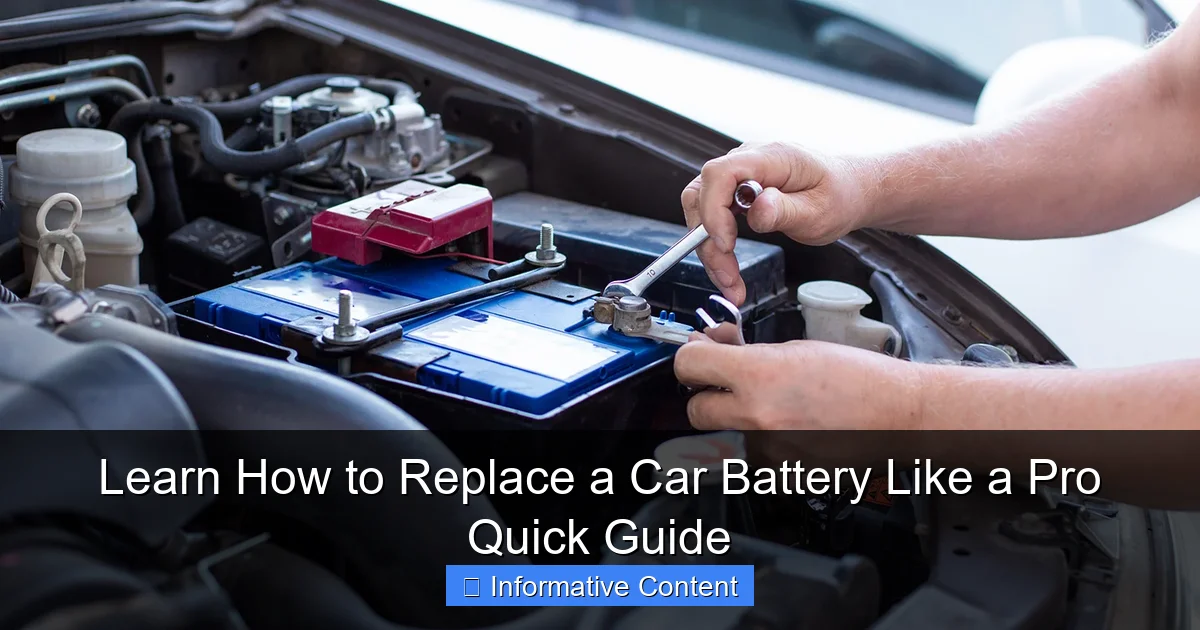
Featured image for how to replace a car battery
Image source: cdn.hswstatic.com
Mastering car battery replacement like a pro hinges on safety and the correct terminal sequence. Always disconnect the negative cable first and connect the positive last to prevent sparks and ensure a smooth process. With the right tools and careful attention to detail, you can confidently install a new battery and get back on the road.
Have you ever experienced that heart-sinking moment? You turn the key, and instead of a powerful engine roar, you get a weak groan or, worse yet, absolute silence. Yep, we’ve all been there – a dead car battery can throw a serious wrench in your day, leaving you feeling helpless and frustrated. The good news? Learning how to replace a car battery yourself is much simpler than you might think, and it’s a skill that will save you time, money, and a whole lot of hassle in the future.
Imagine the satisfaction of tackling a common car problem with your own two hands, without needing to call a tow truck or wait for roadside assistance. It’s empowering! This quick guide is designed to walk you through every step, just like a friend explaining it over coffee. We’ll cover everything from recognizing the signs of a failing battery to safely installing a new one. By the end, you’ll be able to confidently replace a car battery like a seasoned pro.
So, grab a warm drink, get comfortable, and let’s demystify the process of car battery replacement. You’re about to gain a valuable skill that will keep you moving forward, no matter what your car battery throws your way. Let’s learn how to replace a car battery together!
Key Takeaways
- Safety Gear is Essential: Always wear gloves and eye protection.
- Disconnect Negative First: Remove negative terminal before positive.
- Clean Corroded Terminals: Ensure optimal connection and extend battery life.
- Secure Battery Firmly: Prevent movement and potential damage while driving.
- Connect Positive First (New): Attach positive terminal first when installing new battery.
- Recycle Old Battery Properly: Use designated facilities for safe environmental disposal.
- Verify All Connections: Double-check terminals are tight and secure.
📑 Table of Contents
Signs It’s Time to Replace Your Car Battery
Before you even think about how to replace a car battery, it’s helpful to know when it’s actually necessary. Your car usually gives you clues!
Slow Engine Crank
One of the most common indicators is a slow or sluggish engine crank. When you turn the key, does your engine sound like it’s struggling to start, taking longer than usual to turn over? This is often a sign that your battery isn’t holding enough charge to deliver the necessary power. It’s whispering, “Hey, I’m getting tired, maybe it’s time to replace a car battery!”
Dim Headlights and Electrical Issues
Are your headlights dimmer than usual, especially when the car isn’t running? Do your dashboard lights flicker, or do electrical accessories like the radio or power windows seem weaker? A failing battery struggles to power all these systems, indicating it might be time for a car battery replacement.
The “Check Engine” Light
Sometimes, a weak battery can trigger your “Check Engine” light, even if there isn’t a mechanical issue with the engine itself. This can be confusing, but remember that many modern car systems are sensitive to voltage drops.
Battery Warning Light
This one is pretty straightforward! If your dashboard displays a battery-shaped warning light, it means there’s an issue with your car’s charging system, which includes the battery. Don’t ignore this signal!
Old Age and Corrosion
Most car batteries last between three to five years. If yours is older than that, even if it seems fine, it’s wise to consider a proactive car battery replacement. Also, visible corrosion (a fluffy, blue-green or white substance) around the battery terminals can impede current flow and is a strong hint that it’s time to act and replace a car battery.
Gathering Your Tools and Safety First!
Before you dive into a car battery replacement, preparation is key. Think of it like cooking – you wouldn’t start without all your ingredients and tools!
Essential Tools You’ll Need
- Wrench Set: You’ll typically need a 10mm or 13mm wrench for the battery terminals and possibly a larger one for the hold-down clamp.
- Battery Terminal Cleaner Brush: This handy tool cleans corrosion from the battery posts and cable clamps.
- Wire Brush: Useful for cleaning the battery tray.
- Battery Post Cleaner or Terminal Spreader: Helps clean the battery posts thoroughly.
- Anti-Corrosion Spray: Applied to terminals after installation to prevent future buildup.
- Battery Maintainer/Memory Saver (Optional but Recommended): This device plugs into your car’s diagnostic port or a 12V outlet and provides continuous power to maintain your car’s computer settings while you perform the car battery replacement. It prevents losing radio codes, saved seat positions, or engine idle settings.
- Gloves and Safety Glasses: Absolutely crucial for your safety!
Safety Precautions Are Paramount
Working with car batteries involves electricity and corrosive acid. Always prioritize safety!
- Wear Protection: Always wear safety glasses and gloves to protect your eyes and hands from battery acid and sparks.
- Work in a Well-Ventilated Area: Batteries can emit hydrogen gas, which is flammable.
- Avoid Sparks: Keep all metal tools away from both battery terminals at the same time. Accidentally touching both terminals with a metal tool can create a short circuit and a dangerous spark.
- No Smoking: Never smoke near a car battery.
- Keep Tools Away: Place tools away from the battery when not actively using them.
- Locate Emergency Eyewash: If battery acid gets into your eyes, flush them immediately with water for at least 15 minutes and seek medical attention.
Choosing the Right Replacement Battery
Getting the right new battery is crucial for a successful car battery replacement. It’s not a one-size-fits-all situation!
Consult Your Owner’s Manual
Your car’s owner’s manual is your best friend here. It will tell you the exact battery specifications recommended for your vehicle. If you don’t have the manual, look for a sticker under the hood, on the old battery itself, or use an online battery finder tool from an auto parts store by entering your car’s make, model, and year.
Key Battery Specifications
When you’re ready to replace a car battery, you’ll encounter a few important terms:
- Group Size: This refers to the battery’s physical dimensions and terminal placement. It’s critical to get the correct group size for it to fit properly in your battery tray and for the cables to reach. For example, a Group 34 or Group 65 battery.
- Cold Cranking Amps (CCA): This is a measure of the battery’s ability to start an engine in cold temperatures. A higher CCA rating means more starting power. Match or exceed your car’s recommended CCA for optimal performance.
- Cranking Amps (CA): Similar to CCA, but measured at 32°F (0°C). CCA is generally more important as it reflects performance in harsher conditions.
- Reserve Capacity (RC): This indicates how long your battery can power essential accessories if your alternator fails. A higher RC is generally better.
Battery Types (Flooded, AGM, Gel)
- Flooded (Wet Cell): These are the most common and affordable. They contain liquid electrolyte.
- AGM (Absorbed Glass Mat): More expensive but offer better performance, longer life, and are spill-proof. They are often found in vehicles with start-stop technology.
- Gel Cell: Less common in cars, good for deep cycling, but sensitive to overcharging.
Tip: Always consider the warranty offered with the new battery. A longer warranty often reflects higher quality and gives you peace of mind when you replace a car battery.
The Step-by-Step Process to Replace a Car Battery
Alright, this is where the action happens! Follow these steps carefully to safely and effectively replace a car battery.
Preparation and Disconnection
- Park Safely and Turn Off Ignition: Make sure your car is on a flat surface, the parking brake is engaged, and the engine is off. Remove the keys from the ignition.
- Locate the Battery: Most batteries are under the hood, but some are in the trunk or under a seat.
- Connect Memory Saver (if using): If you have a memory saver, connect it now according to its instructions.
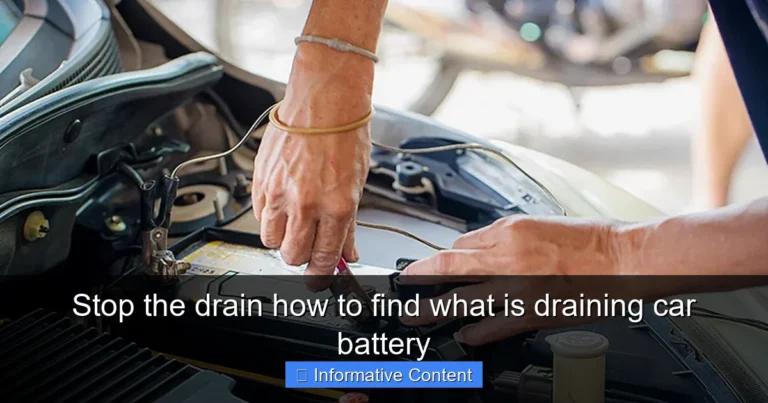
- Disconnect Negative (-) Terminal FIRST: Using your wrench, loosen the nut on the negative (-) terminal (it usually has a minus sign and a black cable). Pull the cable off the post and tuck it away so it cannot accidentally touch the battery. This prevents accidental short circuits.
- Disconnect Positive (+) Terminal SECOND: Now, loosen and remove the nut on the positive (+) terminal (it has a plus sign and a red cable). Remove the cable and secure it away from the battery.
- Remove Battery Hold-Down Clamp: Batteries are usually secured by a clamp at the bottom or a strap over the top. Loosen or remove this clamp.
Removing the Old Battery
- Carefully Lift the Old Battery: Batteries are heavy! Use proper lifting techniques (lift with your legs, not your back) or ask for help if needed. Some batteries have handles.
- Clean Battery Tray: Once the old battery is out, use your wire brush to clean any dirt, debris, or corrosion from the battery tray. A clean base prevents future issues.
Installing the New Battery
- Place New Battery in Tray: Carefully lower the new battery into the cleaned battery tray. Ensure it’s seated firmly.
- Secure Hold-Down Clamp: Reinstall and tighten the battery hold-down clamp or strap. The battery should not move or wiggle.
- Connect Positive (+) Terminal FIRST: Place the red positive (+) cable onto the positive terminal of the new battery. Tighten the nut securely with your wrench. Make sure it’s snug but don’t overtighten.
- Connect Negative (-) Terminal SECOND: Now, place the black negative (-) cable onto the negative terminal of the new battery. Tighten the nut securely.
- Apply Anti-Corrosion Spray: Spray both terminals and cable clamps with anti-corrosion spray to help prevent future buildup.
Final Checks and Recycling
- Ensure Connections are Tight: Give both cables a gentle tug to ensure they are securely fastened and won’t come loose.
- Remove Memory Saver: If you used one, disconnect it now.
- Start the Car: Turn the ignition. Your car should start up strong!
- Recycle Old Battery Responsibly: Car batteries contain hazardous materials. Take your old battery to an auto parts store, a service station, or a recycling center. Most places will take it for free or even give you a core charge refund if you paid one when you bought the new battery.
Troubleshooting Common Issues After Battery Replacement
Even when you replace a car battery carefully, sometimes minor issues pop up. Don’t panic!
Car Won’t Start
If your car still won’t start after a new car battery replacement, first check your connections. Are the positive and negative terminals connected to the correct posts? Are they tightened securely? A loose connection is the most common culprit. Also, ensure the hold-down clamp is not interfering with the terminals.
Electrical Gremlins
If you didn’t use a memory saver, you might find that your radio presets are gone, the clock needs to be reset, or power windows need to be “re-learned” (check your owner’s manual for procedures). Sometimes, the engine’s idle might be rough for a short period as the computer re-calibrates. This usually resolves itself after a few drive cycles.
Radio Code Prompt
Some car radios, especially in older models, require a security code to be entered after the battery has been disconnected. This is an anti-theft measure. Look in your owner’s manual or glove compartment for a card with the radio code. If you can’t find it, a dealership might be able to provide it with proof of ownership.
Tip: Always double-check your connections. A snug, clean connection is vital for proper power flow. If all else fails, it might be an issue with your alternator or starter, and it’s best to consult a mechanic.
Conclusion
Congratulations! You’ve just learned how to confidently and safely replace a car battery. This isn’t just about saving a few bucks; it’s about gaining confidence, understanding your vehicle better, and being prepared for those unexpected moments. That feeling of self-sufficiency when your car starts up perfectly after your own work is truly rewarding.
Remember, taking care of your battery and understanding its life cycle is a key part of car ownership. By following this guide, you’re not just replacing a part; you’re becoming a more informed and capable driver. So, the next time that tell-tale sluggish start creeps up, you’ll know exactly what to do. Happy driving!
Frequently Asked Questions
How often should I replace my car battery, or how do I know it’s time?
Typically, a car battery lasts 3-5 years, but this can vary based on climate and driving habits. Common indicators it’s time to replace your car battery include slow engine cranking, dimming headlights, or frequent jump starts needed to get your vehicle running.
What essential tools do I need to replace a car battery safely?
You’ll primarily need a wrench (usually 10mm or 13mm for the terminals), a wire brush or battery terminal cleaner, and optionally a battery terminal puller. Crucially, always wear safety glasses and gloves to protect yourself during the process.
What are the most important safety precautions when replacing a car battery?
Always wear safety glasses and gloves to protect against acid and electrical hazards. Ensure the engine is off and the parking brake is engaged, and never let tools touch both battery terminals simultaneously to prevent a dangerous short circuit.
What is the correct order for disconnecting and reconnecting a car battery when replacing it?
When disconnecting, always remove the negative (black) terminal first, followed by the positive (red) terminal. When you install your new battery, reconnect the positive (red) terminal first, then the negative (black) terminal, to minimize the risk of sparks.
How should I properly dispose of my old car battery after replacing it?
Car batteries contain hazardous lead and acid and should never be thrown in household trash. Most auto parts stores will accept your old battery for recycling, often offering a core refund, or you can take it to a local recycling center.
How do I ensure I choose the correct replacement car battery for my vehicle?
Check your vehicle’s owner’s manual or the label on your existing battery for the recommended battery group size, cold cranking amps (CCA), and reserve capacity (RC). Matching these specifications is vital for proper fit and optimal electrical performance in your specific car model.