Solved Why Car Battery Wont Charge And What To Do
Featured image for why car battery won’t charge
Image source: cdn.pixabay.com
The primary reasons a car battery won’t charge often involve a faulty alternator or the battery itself being compromised. Other frequent culprits include corroded terminals, loose cable connections, or an unnoticed parasitic drain. Identifying the specific cause through testing and promptly addressing it—whether by cleaning, replacing components, or checking electrical systems—is essential to restore reliable power to your vehicle.
That familiar click, click, click sound, or worse, absolute silence when you turn the key in the ignition. It’s a moment that can send a shiver down any driver’s spine. We’ve all been there, standing next to a seemingly lifeless vehicle, wondering, “Why won’t my car start?” Often, the culprit is the car battery. But what if you just tried to charge it, and it still seems utterly dead?
It’s incredibly frustrating to connect a charger, wait, and then discover your car battery won’t charge. This common problem leaves many drivers stranded and scratching their heads. The good news? You’re not alone, and there are specific reasons behind this automotive mystery. Understanding these reasons is the first step to getting you back on the road. Let’s dive into why your car battery might not be taking a charge and what you can do about it.
This guide will walk you through the most common culprits, from the battery itself to the charging system and even your driving habits. By the end, you’ll have a clear understanding of why car battery won’t charge and practical steps to solve the issue, empowering you to tackle the problem with confidence.
Key Takeaways
- Clean battery terminals: Corroded connections often prevent proper charging.
- Inspect alternator belt: A loose or broken belt stops alternator function.
- Test alternator output: A faulty alternator cannot recharge the battery.
- Assess battery condition: A dead or old battery won’t hold a charge.
- Check charging fuse: Blown fuses disrupt power to the charging system.
- Look for parasitic drains: Hidden electrical draw can slowly kill the battery.
📑 Table of Contents
The Culprit: Your Car Battery Itself
Sometimes, the simplest explanation is the right one: the battery itself is the problem. Car batteries aren’t designed to last forever, and several factors can lead to their demise, making them unwilling to accept a charge.
Old Age and Wear
Just like us, car batteries have a lifespan. Most lead-acid batteries last anywhere from 3 to 5 years. As they age, their internal components degrade, losing their ability to hold a charge effectively. If your battery is older than four years, its inability to hold or accept a charge might simply be a sign of retirement. It’s no longer strong enough, and even the best charger won’t revive a truly worn-out unit. This is often the primary reason why car battery won’t charge.
Extreme Temperatures
Your car battery works hardest in extreme temperatures. Both scorching summers and freezing winters can accelerate its degradation. Heat causes battery fluid to evaporate, while cold reduces its cranking power. Repeated exposure to these conditions shortens its lifespan, making it less receptive to charging over time. Think of it like a person who’s been through a lot – they just can’t bounce back as quickly.
Sulfation
Sulfation occurs when lead sulfate crystals build up on the battery plates. This usually happens when a battery is left discharged for too long or is consistently undercharged. These crystals act as an insulator, preventing the battery from effectively absorbing a charge. If you’ve left your car sitting for weeks or months, and now your car battery won’t charge, sulfation could be the reason. While some advanced chargers have a desulfation mode, severe sulfation can make a battery unrecoverable.
The Charging System Is Failing You
Your car’s battery doesn’t charge itself; a complex system keeps it topped up while you drive. If any part of this system goes awry, you’ll find your car battery won’t charge, even if the battery itself is relatively healthy.
Alternator Malfunction
The alternator is the heart of your car’s charging system. Its job is to convert mechanical energy from the engine into electrical energy, powering your car’s electrical components and recharging the battery. If your alternator is failing or has completely died, the battery won’t receive the necessary current to recharge. You might notice a battery warning light on your dashboard, dimming headlights, or strange whining noises from under the hood. If your car dies shortly after a jump start, it’s a strong indicator that the alternator is the reason why car battery won’t charge.
Faulty Voltage Regulator
Often integrated into the alternator, the voltage regulator ensures that the battery receives a steady, correct voltage for charging. If it fails, it can either send too much voltage (overcharging, which damages the battery) or too little (undercharging, leaving your battery dead). Both scenarios mean your car battery won’t charge properly, or it won’t hold a charge for long. Symptoms can be similar to an alternator failure, making it crucial to test the entire charging system.
Loose or Corroded Battery Terminals
Sometimes, the issue isn’t with the battery or the charging system internally, but with the connections. Good contact is essential for current flow, and if that connection is compromised, your car battery won’t charge.
Poor Connection
The positive and negative cables that connect to your battery terminals need to be tight and secure. If they are loose, the electrical current cannot flow efficiently, preventing your battery from receiving a charge from the alternator or even from an external charger. This often results in intermittent power, where your car might start some days and not others.
Corrosion Buildup
Over time, a white or bluish-green powdery substance can accumulate on your battery terminals. This is corrosion, and it acts as an insulator, preventing good electrical contact. Even if your battery and alternator are perfectly fine, heavy corrosion will block the charging current. This is a common and relatively easy problem to fix, and a common reason why car battery won’t charge. Regularly inspecting and cleaning your battery terminals is a simple preventive measure.
The Sneaky Power Drain (Parasitic Draw)
Imagine someone slowly siphoning gas from your tank while you sleep. A parasitic draw is similar, but with electricity. It’s when something in your car continues to draw power even after the engine is off and everything is supposed to be shut down. This can silently kill your battery, making it seem like your car battery won’t charge.
What is Parasitic Draw?
Parasitic draw refers to any electrical component that continues to consume power when the car is turned off. While a small amount is normal for things like the clock or alarm, an excessive draw can quickly drain a healthy battery. Common culprits include interior lights left on, a faulty trunk light, an aftermarket stereo system, a malfunctioning alarm, or even a short circuit in the wiring. If your car battery won’t charge and dies overnight or after sitting for a couple of days, a parasitic draw is a strong suspect.
Finding the Drain
Identifying a parasitic draw can be challenging and often requires a multimeter to test current draw from individual circuits. It involves systematically disconnecting fuses until the draw disappears, pinpointing the problematic circuit. While tricky, it’s a necessary step if other solutions don’t resolve why car battery won’t charge. For most drivers, this is a job best left to a professional mechanic.
Driver Habits and Usage Patterns
Believe it or not, how you drive (or don’t drive) your car can significantly impact your battery’s health and its ability to accept a charge.
Short Trips
If you primarily make short trips, your car battery might not be getting enough time to fully recharge. The alternator needs a decent amount of driving time (typically 20-30 minutes) to replace the power used during starting and to top up the battery. Constantly starting the car and then immediately turning it off means the battery is always being discharged without being fully replenished, leading to a chronically undercharged state. Over time, this can lead to sulfation and make it seem like your car battery won’t charge.
Excessive Accessory Use
Using electrical accessories like the radio, headlights, air conditioning, or charging devices while the engine is off can quickly drain your battery. Each time you do this, you’re tapping into the battery’s stored energy without the alternator to replenish it. If you do this frequently, especially with an older battery, you’re essentially running it down, making it harder for it to recover a full charge later.
What to Do When Your Car Battery Won’t Charge (Practical Steps)
Facing a dead battery is frustrating, but here’s what you can do to diagnose and potentially fix the issue.
Jump Start and Drive
If your car battery won’t charge, a jump start can get you going temporarily. After a successful jump, drive your car for at least 30 minutes at highway speeds. This gives the alternator a chance to charge the battery. If the car dies again shortly after or won’t start the next time, the problem isn’t just a discharged battery; there’s an underlying issue.
Clean Terminals
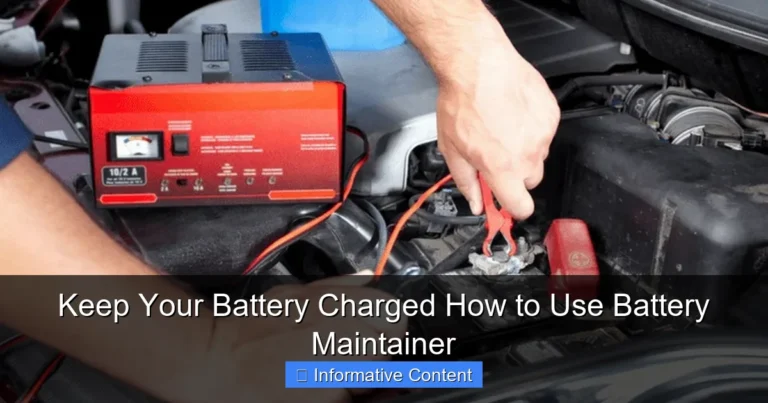
This is a simple DIY fix. Disconnect the battery (negative first, then positive). Use a wire brush and a mixture of baking soda and water to clean off any corrosion from the terminals and cable clamps. Rinse with water and dry thoroughly. Reconnect the cables tightly (positive first, then negative). A clean connection is vital for proper charging.
Test Your Battery and Alternator
Many auto parts stores offer free battery and charging system tests. Take advantage of this! They can tell you if your battery is holding a charge, if it’s too old, or if your alternator is failing. This test can quickly tell you why car battery won’t charge and guide your next steps.
Consider a Replacement Battery
If your battery tests poorly or is older than 4-5 years, it’s likely time for a new one. A fresh battery is often the simplest solution if the old one truly won’t accept a charge due to age or internal damage. Make sure to get the correct battery type and size for your vehicle.
Seek Professional Help
If you’ve tried these steps and your car battery still won’t charge, or if you suspect a parasitic draw or a complex electrical issue, it’s best to consult a professional mechanic. They have the tools and expertise to diagnose subtle electrical problems and ensure your entire charging system is functioning correctly.
There you have it! Understanding why car battery won’t charge is the first step to resolving the problem. Whether it’s an old battery, a failing alternator, or something as simple as corroded terminals, knowing the common causes empowers you to act. By following these practical tips, you can often diagnose the issue yourself or at least have an informed conversation with your mechanic. Remember, a little proactive maintenance goes a long way in preventing that dreaded dead battery scenario.
Frequently Asked Questions
How can I tell if a failing alternator is why my car battery won’t charge?
If your car battery won’t charge and consistently dies, especially after a jump start, a failing alternator is a prime suspect. Look for a dashboard battery warning light, dimming headlights or interior lights, and difficulty starting the car.
What if my car battery won’t charge because it’s simply too old or damaged?
If your car battery is more than 3-5 years old, it might have lost its ability to hold a charge or accept a new one, even from a working alternator. Internal damage, such as sulfation or a shorted cell, can also prevent it from charging, meaning a replacement is necessary.
Can loose or corroded battery terminals prevent my car battery from charging properly?
Yes, absolutely. Corroded or loose battery terminals create poor electrical contact, significantly hindering the flow of electricity between your alternator and the car battery. Cleaning and tightening these connections should always be one of the first troubleshooting steps.
Why does my car battery keep dying, seemingly without charging, even when the car is off?
This suggests a “parasitic draw,” where an electrical component continues to consume power even when the car is turned off. Common culprits include interior lights left on, a faulty relay, or an aftermarket accessory draining power, preventing the car battery from holding a charge.
Can a blown fuse or damaged wiring prevent my car battery from charging?
Yes, a blown fuse, especially one related to the charging system like the main alternator fuse, can interrupt the flow of electricity, stopping your car battery from charging. Damaged or corroded wiring in the charging circuit can also disrupt the connection and prevent proper power transfer.
Is it possible my car battery isn’t charging fully because I only make short trips?
Yes, short drives often don’t provide enough time for the alternator to fully replenish the energy lost during startup and system operation. If your car battery won’t charge sufficiently, regularly driving for longer durations or using a trickle charger periodically can help maintain its charge.