Car Alternator Grinding Noise: Causes, Solutions, and Prevention
Hearing a car alternator grinding noise can be scary, especially if you’re not a car expert. It’s a common problem, often due to worn-out parts or something loose. Don’t worry, though; this guide will help you understand what’s happening and how to fix it. We’ll break down the issue step-by-step so you can identify the problem and find the right solution. Let’s get started and learn how to quiet that noisy alternator!
What Causes a Car Alternator Grinding Noise?
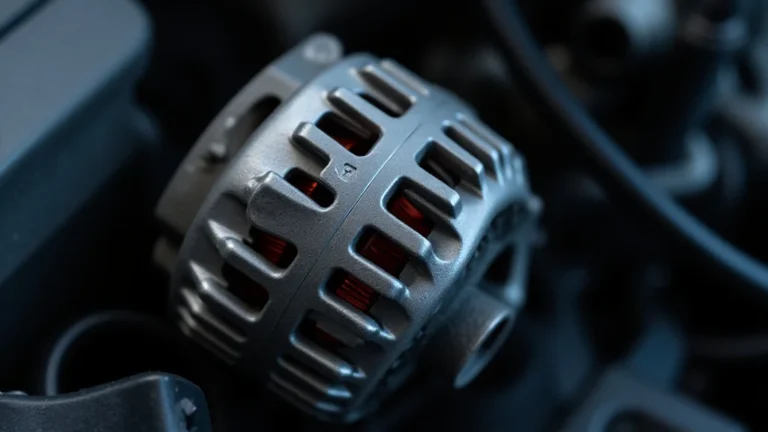
A car alternator grinding noise usually comes from something inside the alternator itself, or from a belt or pulley connected to it. These sounds can vary, from a high-pitched whine to a deep rumble or grinding. These different sounds provide clues to the source of the issue. Recognizing these various sounds can help pinpoint the exact problem.
Worn Bearings
One of the most frequent causes is worn-out bearings. The alternator’s internal components spin rapidly, and these bearings enable the smooth rotation of the rotor. As they wear down, they lose their ability to provide smooth movement, and they will produce the noise you hear. This is similar to a wheel bearing in your car that makes noise when worn. The severity of the grinding often increases with engine speed. Over time, friction generates heat that breaks down bearing lubricants, and this accelerates wear.
- How Bearings Work: Bearings are like tiny ball bearings or roller bearings that help reduce friction inside the alternator. They are crucial for allowing the rotor (the spinning part) to rotate with minimal resistance. They’re greased to provide smooth movement.
- Signs of Worn Bearings: A grinding noise that gets worse as the engine revs up is a good indicator of bearing wear. You might also notice a squealing noise, especially when the engine is cold, which will subside as it warms up. Additionally, you may feel vibrations coming from the alternator housing.
- Fixing Worn Bearings: Unfortunately, worn bearings often mean you need to replace the entire alternator or have it rebuilt. A professional mechanic can diagnose the problem and replace the alternator, which usually involves removing and installing a new or rebuilt unit.
- Bearing Life Expectancy: The lifespan of alternator bearings depends on many factors, including how often you drive, how rough the roads are, and the quality of the bearings. Bearings usually last between 50,000 and 100,000 miles.
Damaged Pulley
The pulley, which connects to the serpentine belt, can also produce this noise. The belt transmits power from the engine to the alternator. If the pulley is damaged, it might scrape or rub against other parts of the alternator, leading to grinding sounds. This damage can range from a warped or bent pulley to damaged grooves that hold the belt.
- Function of the Pulley: The pulley’s main task is to transfer rotational motion from the engine to the alternator. It is attached to the alternator and driven by the serpentine belt. It allows the alternator to spin and generate electricity.
- Pulley Damage Symptoms: Besides the grinding noise, you might see the serpentine belt slipping or becoming frayed. You might also notice vibrations, or the car’s electrical systems may act up, such as dimming lights.
- Repairing a Damaged Pulley: If the pulley is the issue, it can often be
- Pulley Problems: Pulley problems often arise because of corrosion, wear and tear, or external impact. Regularly checking the pulley for signs of damage or wear, especially if you live in an area with harsh weather conditions, is a good habit.
Serpentine Belt Issues
Problems with the serpentine belt are often the source of the grinding noise. The belt’s condition, tension, and alignment play a key role. A loose or damaged belt can rub against the pulley or other components, causing a grinding or squealing sound. The belt is responsible for driving the alternator, so any problem there can impact performance.
- Serpentine Belt Function: The serpentine belt links the engine’s crankshaft to multiple accessories, including the alternator, power steering pump, and air conditioning compressor. It is driven by the engine’s rotation.
- Signs of Belt Trouble: A grinding sound, especially during startup or when the engine is under load, can be a sign of a bad belt. You might also see cracks or fraying on the belt. The belt may slip on the pulleys, causing a loss of power to your electrical systems.
- Fixing Belt Problems: Replacing the serpentine belt is often a simple fix. Inspect the belt for damage, cracks, or wear. If needed, replace it following your car’s service instructions. Also, make sure that the belt is correctly aligned.
- Belt Tension: Proper belt tension is critical. Too loose, and the belt will slip; too tight, and it can cause premature wear on the belt and the bearings of the components it drives. Your car’s service manual will provide the right tension specifications.
How to Diagnose the Car Alternator Grinding Noise
Diagnosing the car alternator grinding noise requires some detective work, but it’s something you can do at home. You can often identify the source of the problem by observing how the noise behaves under different conditions. Start by listening carefully and taking notes about when you hear the noise and under what conditions. This information can help a professional diagnose the problem.
Visual Inspection
Begin with a visual inspection. Look for obvious signs of damage, such as a damaged pulley, a worn-out belt, or any leaks around the alternator. This can provide initial clues.
- Checking the Belt: Examine the serpentine belt for cracks, wear, or fraying. If you see any damage, the belt likely needs replacing. Look for any debris caught in the belt.
- Inspecting the Pulley: Check the alternator pulley for any signs of damage or misalignment. Make sure the pulley spins smoothly by hand. Any resistance or wobbling indicates a problem.
- Looking for Leaks: Check the alternator and surrounding areas for fluid leaks, which could point to problems with other components that could be affecting the alternator.
- Safety First: When inspecting your car, always make sure the engine is off and the car is safely secured with the parking brake on. Avoid touching any moving parts when the engine is running.
Listening Tests
Sound is important. Listen carefully to the noise. It helps to differentiate the specific parts causing the grinding sound.
- Listen During Startup: Does the grinding occur when you start the car? If so, the problem could be related to startup load, indicating a bearing or pulley problem.
- Listen at Different RPMs: Does the noise get worse as the engine speed increases? This suggests the problem is related to something spinning within the alternator itself.
- Using a Stethoscope: A mechanic’s stethoscope can help pinpoint the exact location of the sound. You can place the stethoscope near different parts of the alternator and belt system to identify where the noise is loudest.
- Test with Electrical Load: Turn on the headlights, the AC, and other electrical components. Does the noise change? This test can help determine if the alternator is struggling under electrical load.
Using Basic Tools
Some basic tools can help you diagnose the problem. These tools can help you get a better view of your car’s components, which can show what might be causing the noise.
- Wrench and Sockets: Have basic wrenches and sockets on hand. You’ll need these to remove the serpentine belt or any components that might be interfering with the alternator.
- Jack and Jack Stands: If you need to work underneath the car, use a jack and jack stands to safely raise the vehicle. Safety is key.
- Belt Tension Tester: If you have one, use a belt tension tester to verify the serpentine belt’s tension. Incorrect tension can be a source of grinding noises.
- Multimeter: Use a multimeter to test the alternator’s output. A low output could indicate a problem with the alternator itself.
Repairing the Car Alternator Grinding Noise
The repair process depends on the source of the car alternator grinding noise. Some problems are easy to fix, while others may require professional help. Do not be afraid to reach out to a professional mechanic. It is better to have it checked out, especially if you are not mechanically inclined.
Replacing the Alternator
If the bearings or internal components of the alternator are worn or damaged, the best solution is usually to replace the entire unit. It can be a DIY project but can also be handled by a professional mechanic.
- Gathering Supplies: You’ll need a new or remanufactured alternator, a wrench set, and possibly a socket set. Consider a new serpentine belt as well.
- Disconnecting the Battery: Before working on the alternator, disconnect the negative battery cable to prevent electrical shocks. This will protect you from potential injury while working on your car.
- Removing the Serpentine Belt: Use a wrench or specialized tool to release tension on the belt and remove it from the pulley. This can differ depending on your car. Consult your car’s service manual.
- Unmounting the Alternator: Disconnect the electrical connectors and remove any brackets holding the alternator in place. Now, you can unbolt it from its mount.
- Installing the New Alternator: Install the new alternator in reverse order, connecting wires and bolts, and tightening bolts to manufacturer specifications. Reinstall the serpentine belt and reconnect the battery.
- Testing the New Alternator: Start the car and check for the grinding noise. If it’s gone, run the car for a few minutes. Check the alternator output with a multimeter to ensure it is working correctly.
Belt and Pulley Replacement
In many cases, the grinding noise comes from the belt or the pulley. These are less expensive and more manageable repairs.
- Replacing the Serpentine Belt: Replacing the belt is generally straightforward. Release the tension, slip off the old belt, and install the new belt, ensuring correct routing. Your car’s service manual will provide the best information.
- Swapping the Pulley: If the pulley is damaged, it can be
- Assessing the Tensioner: If the belt tensioner is faulty, it can also lead to noise. The tensioner maintains correct belt tension. Test it by pressing on the tensioner arm to ensure it moves freely and provides the proper resistance. Replace it if necessary.
- Professional Help: If you’re not comfortable working with these components, a mechanic can complete these repairs quickly. They have the experience and the tools to diagnose and fix the issue.
Professional Assistance
If you aren’t a mechanic, it is okay to bring your car to a mechanic for these issues. They have the experience, expertise, and tools to handle any issues your car may have.
- Benefits of Professional Repair: Professionals can correctly diagnose the problem and provide the best fix for the issue. They have experience with numerous makes and models.
- Finding a Trusted Mechanic: Seek referrals from friends or family members. Read online reviews to find reputable mechanics in your area.
- Communicating with the Mechanic: Explain the symptoms clearly and provide any details you’ve already found, such as when and under what conditions the noise happens.
- Estimates and Pricing: Get a written estimate before approving the repairs, and ask about warranties. Check that the cost of labor and parts fits your budget.
Preventing Future Car Alternator Grinding Noise
Preventative actions can help reduce the chances of car alternator grinding noise. Regular inspections and maintenance can extend the life of your car’s parts. If you are diligent, you can identify a problem before it becomes a major one.
Regular Maintenance
Routine car care is important in keeping your car running smoothly. Regular checkups can help you locate a problem before it gets out of hand.
- Scheduled Inspections: Get your car inspected regularly, including checking the alternator, belt, and pulley. A qualified mechanic can spot wear and tear early on.
- Checking Belts and Hoses: Inspect your car’s belts and hoses for cracks, fraying, or wear during routine maintenance. Replace these components when you notice issues.
- Lubrication: Make sure moving parts are properly lubricated to minimize friction and wear. This can extend the life of your car parts and cut down on noise.
- Fluid Levels: Maintain the proper fluid levels for your vehicle. Low fluid levels can put additional strain on the alternator.
Listening for Early Signs
Develop the habit of listening to your car when you drive. You might be able to find a problem before it becomes a major one.
- Paying Attention to Unusual Sounds: Get in the habit of listening for unusual noises. Any new noises should be checked out as soon as possible.
- Noise Variations: Pay attention to how the noise changes under different driving conditions. The characteristics of the noise can provide clues to where the issue is.
- Immediate Action: When you first hear a suspicious noise, don’t ignore it. It is best to have the car inspected as soon as possible.
- Documenting Issues: Keep a log of your car’s symptoms. Documenting what happens, when it happens, and under which circumstances can help a mechanic diagnose the problem.
Driving Habits
Your driving habits have an impact on your car’s parts. How you drive will affect how long your car’s parts last. Reduce wear and tear with simple changes.
- Avoid Overloading Electrical Systems: Avoid using too many electrical components simultaneously. This puts excess strain on the alternator.
- Gentle Starts and Stops: Avoid sudden accelerations and harsh braking. The engine and all parts of the car will last longer.
- Regular Idling: Avoid excessive idling. This can increase wear on the alternator, especially in hot weather.
- Road Conditions: Drive in areas with the best road conditions. Road conditions can damage parts of your car, causing noises to occur.
Frequently Asked Questions
Question: What does a car alternator do?
Answer: A car alternator generates electricity to power your car’s electrical systems and recharge the battery.
Question: Can I drive my car if the alternator is making noise?
Answer: It’s generally safe to drive your car, but it is best to get it checked out as soon as possible. A failing alternator can cause electrical problems that could leave you stranded.
Question: How much does it cost to replace an alternator?
Answer: The price can change, depending on the car model and the mechanic’s labor rates. However, expect to pay between $300 and $700 for parts and labor.
Question: What’s the difference between a new and a remanufactured alternator?
Answer: A new alternator is brand new, while a remanufactured one has been rebuilt using some original parts and some replacements. Remanufactured alternators are more affordable.
Question: How often should I replace the serpentine belt?
Answer: It is best to replace the serpentine belt every 60,000 to 100,000 miles, or according to your car’s manufacturer’s suggestions.
Final Thoughts
Finding the source of a car alternator grinding noise requires careful observation and a bit of detective work. From worn bearings to damaged pulleys, several factors can cause this annoying sound. With the right approach and by following the steps provided, you can find the root cause of the problem. If you feel comfortable, you can perform a visual inspection, listen for unusual sounds, and even conduct some simple tests. If the issue is with the belt, it might be an easy fix. More complex problems, such as worn bearings or a damaged alternator, might require replacement or professional assistance. If the problem is something you’re unsure about, take it to your mechanic. By implementing preventative measures, like regular checkups and mindful driving habits, you can extend the life of your car’s parts and reduce the possibility of future noise problems. Take action, and keep your car running smoothly!