Car Battery Light On Alternator Issues: A Beginner’s Guide
Seeing the car battery light on alternator problem light pop up can be a bit scary, especially if you’re new to car maintenance. It might seem like a complex issue, but don’t worry! This is a common problem, and we’ll break it down into easy-to-follow steps. We’ll explore the causes and how to fix this issue, making sure you know what’s happening with your car. So, let’s get started and get your car running smoothly again!
What Causes the Car Battery Light to Come On?
The car battery light, often shaped like a small battery, isn’t always about a dead battery. It can signal problems with the charging system. This system is in charge of keeping your battery charged while you drive. When the light turns on, it means something in this system isn’t working correctly. This could be due to a faulty alternator, a worn-out belt, or even a simple wiring issue. Knowing what causes it is key to figuring out the best solution. We’ll look at the most common culprits and what you can do to address them.
The Alternator’s Role and Common Problems
The alternator is a crucial component; it’s the heart of your car’s electrical system, generating the power needed to run your car and charge the battery. When the engine is running, the alternator produces electricity to keep all electrical components working. Problems with the alternator are a frequent reason for the car battery light to appear. Over time, alternators can fail due to wear and tear, or because of heat, and electrical surges. An alternator that isn’t working means your battery won’t get recharged, eventually leading to a dead battery and a car that won’t start.
-
Alternator Failure: The most common problem is a failing alternator. Its internal components, such as diodes and voltage regulators, can wear out. The lifespan of an alternator can be affected by factors like driving habits, weather conditions, and how often the car is used. A faulty alternator will not be able to produce enough electricity to charge your battery.
A failed alternator usually results in a dead battery, as it can’t supply enough energy to operate your vehicle’s electrical system, including lights, radio, and air conditioning. In many cases, you’ll notice other electrical problems such as dim lights or the radio cutting out before your car completely fails to start.
-
Belt Issues: The serpentine belt, which connects to the alternator, can wear out, crack, or even break. This belt is essential for turning the alternator’s pulley, which allows it to generate electricity. Problems with this belt are a cause for the car battery light. The belt can wear down and affect your alternator’s performance.
If the serpentine belt is loose or broken, the alternator won’t spin properly, and as a result, the battery won’t get charged. A broken belt might also impact other systems, such as the power steering or the air conditioning, depending on your car’s design.
-
Voltage Regulator Problems: The voltage regulator is another vital component, ensuring the alternator produces the correct voltage to charge the battery without overcharging it. If this regulator goes bad, it can cause the alternator to either undercharge or overcharge the battery. This can also trigger the car battery light.
Undercharging can lead to a dead battery, while overcharging may cause damage to the battery and other electrical components. Symptoms of a failing voltage regulator include flickering lights, or the car not starting after being parked for an extended period. The voltage regulator is usually inside the alternator.
Wiring and Electrical Connection Issues
Even if the alternator and belt are working correctly, wiring problems can stop the charging system. Corroded or loose wires can interrupt the flow of electricity from the alternator to the battery. This may lead to the car battery light coming on, even if the other parts are in good condition. Regularly checking the electrical connections can prevent these problems.
-
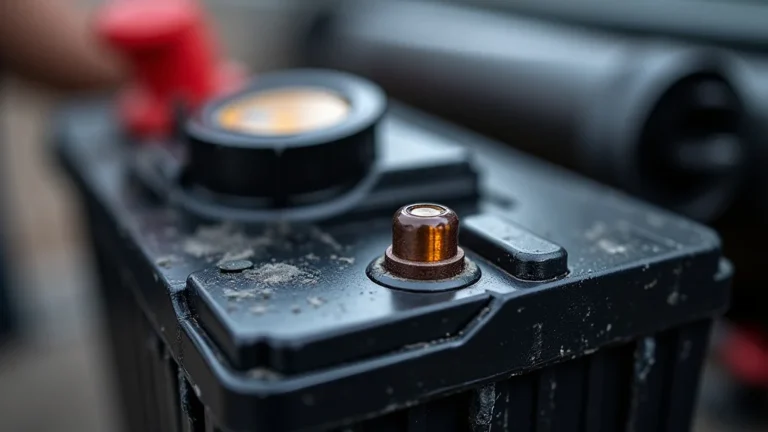
Corroded Terminals: Corrosion on the battery terminals can block the flow of electricity. This reduces the alternator’s ability to charge the battery. Corrosion is often caused by battery acid or exposure to the elements.
Cleaning the terminals can fix this issue. Disconnect the negative (black) battery cable first, then the positive (red) cable. Use a wire brush and a mixture of baking soda and water to clean the terminals and battery posts. After cleaning, reconnect the cables and make sure they’re secure.
-
Loose Connections: Loose wires or connectors can also cause problems. Wires can come loose from vibrations or general wear. A loose connection prevents the flow of electricity from the alternator to the battery.
Inspect all wires connected to the battery, alternator, and starter. Make sure they are firmly attached. If any are loose, tighten them or replace damaged wires.
-
Blown Fuses: Fuses protect the electrical system from overloads. A blown fuse in the charging system circuit can prevent the alternator from charging the battery.
Check the fuses in your car’s fuse box. The fuse panel location is usually in the engine bay or under the dashboard.
Diagnosing and Testing the Car Battery Light on Alternator Problem
When the car battery light turns on, the next step is to figure out what’s causing it. Properly diagnosing the issue will save you time and money. There are some basic tests you can do yourself, even if you’re not a mechanic. These tests will help you determine if the issue is the battery, alternator, or something else. We’ll start with easy visual inspections and then explore some simple testing procedures.
Visual Inspection and Basic Checks
Before you start any testing, begin with a simple visual inspection. This often reveals obvious problems. Looking for anything unusual can save time and effort. Here’s a step-by-step guide to get started. These easy checks may help you identify the problem quickly, or they will guide you toward additional testing.
-
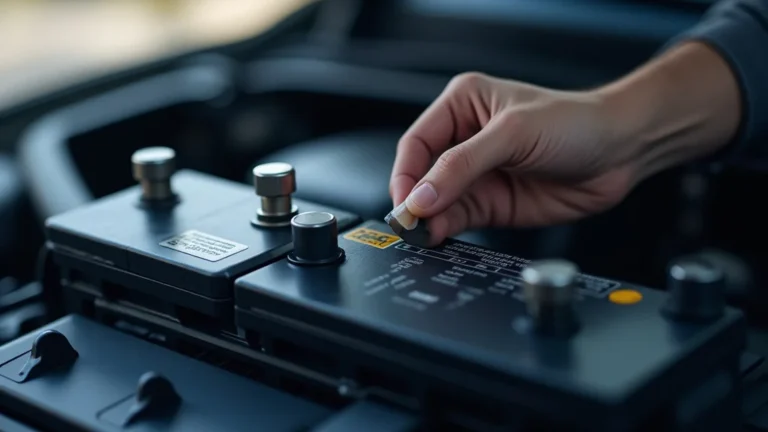
Check the Battery Terminals: Look for any corrosion on the battery terminals. Corrosion can prevent the battery from charging and may cause the car battery light to come on. Use a wrench or pliers to disconnect the cables.
If you find any corrosion, it must be cleaned off. Use a wire brush and a mixture of baking soda and water to clean the terminals and posts. Make sure all connections are secure. Once the terminals are clean and tight, try starting the car. If the light remains on, the issue is likely elsewhere.
-
Inspect the Serpentine Belt: Examine the serpentine belt for cracks, wear, or looseness. If the belt is damaged, it may not be turning the alternator properly. Cracks can be a sign of a bad belt.
A loose belt can slip, and not spin the alternator at the proper speed. Check the belt’s tension and condition. A worn or damaged belt must be replaced to make the alternator work as designed. If the belt looks good, move on to other diagnostic steps.
-
Look for Loose Wires: Check the connections at the alternator, battery, and starter. Loose wires can disrupt the charging system. Make sure everything is tightly connected.
Loose wires may stop the flow of electricity. Carefully inspect all the connections for any signs of damage or looseness. Tighten them as needed. If you find frayed or damaged wires,
Battery and Alternator Testing Procedures
After your initial checks, testing the battery and alternator can confirm if they are working. Several methods are available, from using a voltmeter to more advanced testing equipment. Here are the steps to follow to help you isolate the problem. These testing procedures provide a clear picture of what’s happening and guide your next steps.
-
Battery Voltage Test: Use a voltmeter to check the battery voltage. A healthy battery should read around 12.6 volts when the car is off. This test indicates if the battery is holding a charge.
If the battery voltage is below 12.0 volts, the battery may be discharged, and the alternator is not charging properly. Connect the voltmeter to the battery terminals, red to positive and black to negative. Turn the car on and check the voltage again. If the voltage is not increasing, the alternator might not be charging the battery.
-
Alternator Output Test: Start the car and check the voltage across the battery terminals with a voltmeter. The voltage should rise to between 13.5 and 14.5 volts. This indicates the alternator is charging the battery.
A reading within this range means the alternator is working properly. If the voltage remains the same or does not reach this range, the alternator is likely failing. Test with the headlights and the air conditioning on to make sure the alternator is producing enough energy.
-
Load Test: A load test checks the battery’s ability to provide power under load. A battery that fails a load test may need replacement.
This test can be done at an auto parts store or with a battery tester. The load test simulates the high-power demand of starting the car. A battery that doesn’t pass this test may not hold a charge. The load test will show if your battery can handle the demand when the car starts.
Common Mistakes and How to Avoid Them
When dealing with the car battery light on alternator problem, some common mistakes can make the problem worse or lead to unnecessary repairs. Avoiding these mistakes can save you time and money. Some things to watch out for include misdiagnoses and ignoring simple checks. Knowing what to avoid will help you tackle the issue more effectively.
Ignoring Warning Signs and Delayed Repairs
Delaying repairs or ignoring warning signs can lead to more significant problems. Addressing issues quickly will prevent small problems from becoming expensive ones. Early attention to warning signs can save you from a lot of trouble. Ignoring the car battery light can lead to being stranded or even damage to other car systems.
-
Ignoring the Car Battery Light: Ignoring the car battery light can lead to your battery dying. The light indicates a problem with the charging system. If the alternator isn’t charging the battery, your car will eventually stop running.
The car battery light on can signal an immediate issue. Ignoring this warning can leave you stranded. Address the light as soon as it appears. Get it checked out by a mechanic.
-
Delaying Battery Replacement: If the battery is old or fails a test, delaying its replacement can cause other problems. A weak battery can struggle to start the car, especially in cold weather.
A weak battery can put extra stress on the alternator. It also affects the vehicle’s electrical components. Replace the battery if it fails a load test or shows signs of age. Waiting for a more convenient time can worsen the issue.
-
Postponing Belt Replacement: A worn serpentine belt can cause the alternator to fail. Replacing the belt when it shows signs of wear prevents this problem. A worn or broken belt affects the alternator’s performance.
Examine the serpentine belt regularly for wear and tear. Replace it as soon as you see cracks or fraying. Belts are relatively inexpensive, and the preventative measure can save you from bigger problems. Consider replacing the belt as a part of regular maintenance.
Misdiagnoses and DIY Errors
Incorrectly diagnosing the issue can lead to wasted money and time on unnecessary repairs. Without the proper knowledge, you may misinterpret the symptoms. Some DIY efforts might make things worse. Knowing some common errors can help you avoid making the wrong decisions and getting the problem resolved efficiently.
-
Assuming the Battery is the Only Problem: When the car battery light comes on, the immediate assumption is that the battery is the problem. This can be true, but it could be the alternator or a wiring issue.
It’s important to perform a comprehensive diagnostic. Don’t simply
-
Improper DIY Repairs: Attempting to repair electrical issues without the proper tools or expertise can cause further damage. Incorrectly installed components can introduce new problems. If you’re not comfortable working with car electrics, it’s best to seek professional help.
Electric systems can be tricky, and errors can be costly. If you’re not experienced, leave repairs to the professionals. They can correctly diagnose the problem and fix it safely. Don’t be afraid to ask for help.
-
Ignoring the Check Engine Light: If the check engine light is also on, there could be other issues. The check engine light can indicate problems related to the alternator, such as overcharging.
Make sure to diagnose all warning lights together. Use an OBD-II scanner to read any error codes. A mechanic can diagnose the issue for you if you’re uncertain.
Frequently Asked Questions
Question: What does it mean when the car battery light turns on?
Answer: It means there might be a problem with your car’s charging system. This system is responsible for charging your car’s battery and powering your vehicle. The light usually indicates an issue with the alternator, the battery, the belt, or wiring connections.
Question: Can I drive with the car battery light on?
Answer: You can drive with the light on, but only for a short time. Your car will run on the charge already in the battery. It might run for a while, but eventually, the car will run out of power and shut down. For the safety of you and your passengers, it’s best to get the problem checked out as soon as possible.
Question: What are the main parts of the charging system?
Answer: The main parts are the alternator, the battery, and the serpentine belt. The alternator generates electricity, the battery stores electricity, and the serpentine belt drives the alternator. All these parts work together to keep your car’s electrical system working correctly.
Question: How can I tell if my alternator is bad?
Answer: Several signs can indicate a failing alternator, such as dim headlights, a dead battery, and the car battery light on. If you test the car with a voltmeter and the voltage stays low, the alternator may have failed. Also, unusual smells or sounds, like squealing, can signal a problem.
Question: How much does it cost to fix the car battery light on alternator problem?
Answer: The cost varies depending on what’s causing the issue. Fixing a simple problem, like tightening a loose wire, might be free. A new alternator or battery can cost a few hundred dollars. Costs will vary depending on the make and model of your car. It’s always best to get a quote from a trusted mechanic.
Final Thoughts
Dealing with the car battery light on alternator problem might seem stressful, but with a bit of knowledge, you can approach the issue with confidence. Remember, the light warns you of a problem with the charging system. It could be due to a faulty alternator, a worn belt, or electrical wiring problems. You can start with simple checks like looking at the battery terminals and the belt, and then you might proceed to testing the battery and alternator. Avoiding common errors, such as ignoring warning signs and misdiagnosing the problem, will save you a lot of time and money. If you’re not sure about repairs, seeking help from a professional mechanic is always the best solution. Taking care of this issue early on can save you from more serious problems down the line, ensuring that your car is reliable. Drive safe and keep your car in top shape!