Car Alternator Light On Dashboard: What You Need To Know
Seeing a car alternator light on dashboard pop up can be a bit scary, especially if you’re new to cars. It’s a common issue that many drivers face, and it often signals a problem with your car’s electrical system. Don’t worry, it doesn’t automatically mean your car is about to die! This guide will break down what the light means and how to deal with it, making it easy to spot and solve any potential troubles. We’ll explore the light, then get into possible causes and how to address them.
What Does the Car Alternator Light Mean?
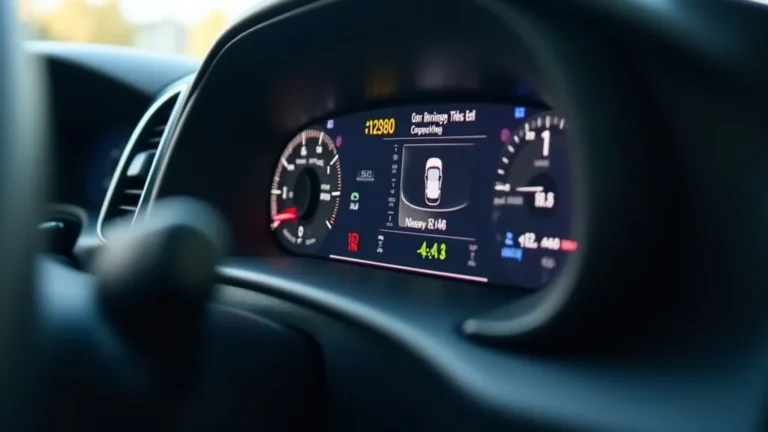
The car alternator light, often shaped like a small battery or the letters “ALT” or “GEN,” is a warning signal. When this light turns on while you’re driving, it means something is amiss with your car’s charging system. The alternator is a vital part of your car, responsible for keeping the battery charged and powering all the electrical components like lights, radio, and air conditioning. If the alternator isn’t working correctly, your car will start drawing power solely from the battery. This can lead to a dead battery and a stranded car, which is why paying attention to this light is important.
The alternator light can appear for several reasons, from a loose wire to a failing alternator. Ignoring this light can lead to more serious issues. The light comes on when the system detects a problem with the voltage output, which is measured in volts. A normal car system will be between 13.5 to 14.5 volts. This helps to recharge the battery while the car is running and also supplies power to the other components.
The Role of the Alternator in Your Car
The alternator is a core component of your car’s electrical system. Imagine it as a power plant that generates electricity to keep your car running. This electricity keeps the battery charged and powers all the electrical components, from your headlights to your radio. Without the alternator, your car wouldn’t be able to run for long, as the battery would quickly drain.
The alternator works using a process called electromagnetic induction. It uses a spinning rotor and a stator to generate electricity. When the engine starts, the alternator’s belt turns a pulley connected to the rotor. Inside the stator, the spinning rotor creates a magnetic field. This field generates alternating current (AC) electricity.
- Pulley: This is driven by the engine’s serpentine belt. It’s what spins the rotor inside the alternator.
- Rotor: A rotating electromagnet that spins inside the alternator, creating a magnetic field.
- Stator: A set of stationary conductors (coils of wire) that surround the rotor, where the AC electricity is generated.
- Rectifier: Converts the AC electricity into direct current (DC) electricity, which is what the car’s electrical system uses.
- Voltage Regulator: Manages the voltage output to prevent overcharging or undercharging the battery.
The alternator then converts this AC power to direct current (DC), which is what your car’s electrical system needs. The rectifier, consisting of diodes, converts the AC power to DC. The voltage regulator ensures that the output is steady, typically between 13.5 and 14.5 volts, which keeps the battery charged without overcharging it. This continuous generation of electricity keeps your car’s electrical components running smoothly and your battery healthy.
How the Car Alternator Light Works
When the car alternator light comes on, it is a sign that there’s a problem with the charging system. The light is connected to sensors within the system that constantly monitor the voltage. If the voltage drops below a certain level, the light will illuminate to let you know something is wrong. The light is connected to the battery in a way where it detects how power flows through it. When the car starts, it begins to create electricity.
The car’s computer uses a complex network of sensors and circuits to watch over the charging system. These components monitor the voltage, current, and overall performance of the alternator. When the car is running, the voltage regulator keeps a check on the alternator’s output. If the voltage is too low, the light comes on. This alerts the driver that the charging system is not performing correctly and the battery might not be getting charged.
- Voltage Sensors: These sensors continuously monitor the voltage output from the alternator. If the voltage drops too low (typically below 13 volts), the light comes on.
- Current Sensors: These sensors keep track of the current flow, helping identify any electrical overloads or short circuits in the system.
- Dashboard Indicator: When the sensors detect a problem, they send a signal to the dashboard, turning on the car alternator light.
- Diagnostic Checks: Modern cars have diagnostic systems that can pinpoint the exact issue within the charging system, helping with repairs.
The light serves as an early warning system. By detecting the issue early, drivers can take action and avoid getting stuck with a dead battery.
Common Causes of the Car Alternator Light On Dashboard
When the car alternator light on dashboard comes on, several issues could be at play. Identifying the root cause is the first step toward a solution. Some of these problems are relatively easy to fix, while others might require professional help. Recognizing these potential issues can help you diagnose and deal with the light before the situation worsens.
From a loose belt to a faulty alternator, each cause has unique symptoms and solutions. Knowing the common culprits will help you address the problem efficiently. Here are the most common reasons why the alternator light might come on.
Loose or Damaged Serpentine Belt
The serpentine belt, also known as the drive belt, is essential. It connects the engine’s crankshaft to the alternator, allowing the alternator to spin and generate electricity. The belt turns the pulley of the alternator, and if it’s loose or broken, the alternator won’t spin correctly, and the light will come on. If the belt is old or frayed, it can slip, causing the alternator to underperform.
A loose belt can slip on the pulleys, reducing the alternator’s ability to charge the battery. A broken belt will stop the alternator completely, and the car will rely on the battery until it runs out of power. Regular inspection of the serpentine belt is important to catch these issues early.
- Signs of Wear: Check the belt for cracks, fraying, or glazing. Cracks and fraying are signs the belt is failing and should be replaced. Glazing is another sign; the belt becomes shiny and smooth, reducing its grip on the pulleys.
- Proper Tension: The belt should have the proper tension. If it’s too loose, it will slip. If it’s too tight, it can damage the alternator bearings. Proper tension ensures efficient power transfer.
- Easy Fix: Replacing the belt is a simple process. Make sure to choose the right type. Refer to your car’s manual.
Example: In a real-world scenario, Sarah noticed her car’s alternator light flickering, along with some squealing noises when she started her engine. After an inspection, she discovered that the serpentine belt was loose and had some small cracks. Replacing the belt fixed the light. It’s important to inspect your belt, and replacing the belt is a simple fix that saves a lot of trouble.
Faulty Alternator
The alternator itself can fail. This is a common cause for the light to turn on. Over time, alternators can wear out due to constant use, exposure to heat, and electrical stress. When the alternator fails, it can no longer generate the electricity needed to charge the battery and power the car’s electrical systems.
A faulty alternator can lead to a dead battery. This failure can happen gradually, with the alternator slowly losing its ability to charge the battery, or suddenly, leaving you stranded. If the alternator is not working correctly, the car’s computer might detect this and activate the car alternator light. There are a few key parts of the alternator that can fail.
- Diodes: These components rectify AC power to DC. When they fail, the alternator might not charge correctly.
- Voltage Regulator: Regulates the voltage output. If this fails, the alternator may overcharge or undercharge the battery.
- Rotor and Stator: These parts generate electricity. If the windings are damaged, the alternator won’t function.
- Bearings: Worn bearings can cause the alternator to seize or fail.
Example: Mark’s car started experiencing electrical issues. The lights flickered, and the radio would cut out. Then, the alternator light came on. After testing, it was found that the alternator was not putting out enough voltage, leading to the battery running low.
Weak or Dead Battery
A weak or dead battery can sometimes trigger the car alternator light. Although the light usually indicates an alternator problem, a low battery can also affect the charging system. The alternator might struggle to charge a battery that’s already damaged, and the light could come on as a result.
A weak battery can’t hold a charge, or it might struggle to start the car. A dead battery won’t start the car at all. The alternator might work, but if the battery can’t store the electricity, the light might still appear. This can often be because the car is putting more power into the battery than it is taking out.
- Battery Age: Batteries typically last three to five years. Check the battery’s age and consider replacing it if it’s old.
- Corrosion: Check the battery terminals for corrosion. Clean the terminals for better connections.
- Load Test: Have your battery tested. A load test checks the battery’s ability to hold a charge under stress.
Example: John’s car wouldn’t start one morning. After jump-starting, the car alternator light came on. After having his battery tested, he discovered it was unable to hold a charge. Replacing the battery resolved the light issue.
Wiring Problems
Faulty wiring can disrupt the flow of electricity between the alternator, battery, and other electrical components. This is a common cause of the car alternator light on dashboard coming on, and can be tough to track down. Wires can become loose, corroded, or damaged over time, especially in a car’s harsh environment.
Wiring problems can cause voltage drops or short circuits. This can stop the alternator from charging the battery or cause other electrical issues. Identifying these issues can be tricky, as wiring problems can occur anywhere in the system.
- Loose Connections: Check all connectors and terminals for a secure fit. Loose connections can interrupt the flow of electricity.
- Corrosion: Corrosion on wires and connectors will restrict the flow of electricity. Clean or replace corroded parts.
- Damaged Wires: Look for any damaged, frayed, or broken wires. Repair or replace any damaged wires to ensure safe and efficient power transfer.
Example: In a case study, a mechanic found a corroded wire connection on the alternator’s output terminal. The corrosion created a poor connection, preventing the alternator from charging the battery effectively. Cleaning and re-securing the connection resolved the issue and turned off the light.
Troubleshooting the Car Alternator Light
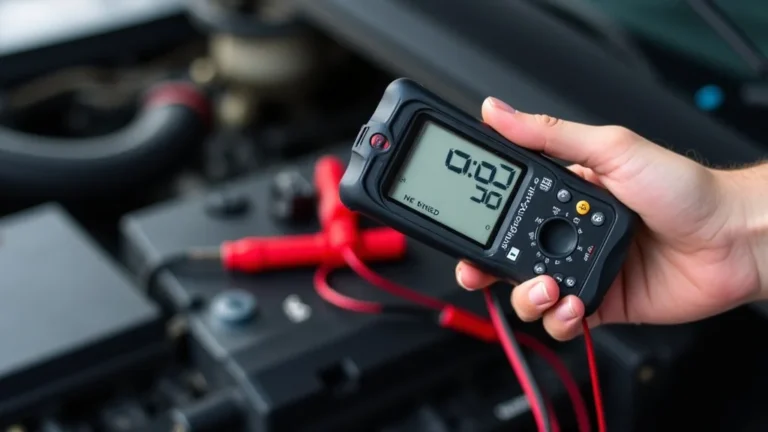
When the car alternator light on dashboard comes on, taking swift action is important to prevent further issues. Troubleshooting can help you find out the problem. This includes visual checks, testing the charging system, and considering the next steps. Start with a visual inspection, then use a multimeter to check the voltage, and finally, determine whether you need a professional mechanic.
This process can help identify the root cause of the problem. Follow these steps to find out the reason for the light. These steps will help you decide the best course of action. This information will help you identify the problem and make the next steps easier.
Step 1: Visual Inspection
Begin by visually inspecting the easy-to-see components. This can help you spot obvious problems, such as a loose or broken belt. A visual inspection can often reveal a lot about the source of the problem. Start with the basics, and you can rule out some potential issues.
Look for any signs of wear or damage. This includes the serpentine belt, the battery terminals, and wiring. This will quickly help you to eliminate some problems. A thorough visual check is the first step in diagnosing any car problem.
- Check the Serpentine Belt: Make sure the belt is in good condition. Look for cracks, fraying, or signs of wear. Replace the belt if necessary.
- Inspect Battery Terminals: Ensure the terminals are clean and free of corrosion. Clean the terminals if necessary.
- Examine Wiring: Look for any loose or damaged wires. Secure any loose connections, or replace the wires if needed.
Scenario: Imagine your car’s light comes on. You start by opening the hood. You see that the serpentine belt is frayed and has some cracks. You know that it is a common problem and that the belt needs to be replaced.
Step 2: Testing the Charging System
After a visual inspection, the next step is to test your car’s charging system. Testing the system will help you find the problem and determine if the alternator is working properly. Using a multimeter will give you the most accurate readings. This testing can pinpoint whether the alternator, battery, or wiring is causing the issue.
Testing includes measuring the voltage of the battery and the alternator’s output. This lets you assess the electrical performance. If the voltage readings are outside the normal range, you know the problem is with the charging system. The results of the tests can help you diagnose and fix the problem.
- Battery Voltage Test: Measure the battery voltage when the engine is off (should be around 12.6 volts) and when running (around 13.5 to 14.5 volts).
- Alternator Output Test: With the engine running, test the voltage output directly at the alternator. Compare this to the expected range (around 13.5 to 14.5 volts).
- Load Test: Perform a load test on the battery to determine its ability to hold a charge under a load.
Scenario: You use a multimeter to measure the battery voltage when the engine is running, and you find it is less than 12 volts. This indicates that the alternator is not charging the battery.
Step 3: Seeking Professional Help
If you’re unsure about any step or the light persists after trying troubleshooting, it’s best to seek help. A trained mechanic has tools and expertise to properly diagnose and fix the problem. They can provide a thorough diagnostic inspection. This will save you time and potential repairs.
Professional mechanics have the tools and expertise to diagnose complex electrical problems. They can also access the service records of your car. They can ensure that the problem is fixed correctly and safely. A mechanic has the training to address more serious problems with the car’s electrical system.
- Diagnostic Equipment: Mechanics use advanced diagnostic tools to pinpoint the exact issue.
- Expertise: Mechanics have the knowledge and experience to fix issues effectively.
- Warranty: Professional repairs often come with a warranty, giving you peace of mind.
Frequently Asked Questions
Question: What does the car alternator light look like?
Answer: The car alternator light looks like a small battery or the letters “ALT” or “GEN”.
Question: What should I do if the car alternator light comes on while driving?
Answer: If the light comes on, turn off any non-essential electrical components (like the radio and AC) and drive carefully to a safe place. Have the charging system checked.
Question: Can I drive my car if the alternator light is on?
Answer: You can, but only for a short distance. Your car’s battery will be powering the electrical systems, and it will eventually drain. Driving too far can leave you stranded.
Question: How long does an alternator typically last?
Answer: An alternator typically lasts between 7 and 10 years, or around 80,000 to 150,000 miles, but this can vary depending on usage and driving conditions.
Question: How much does it cost to fix the alternator light problem?
Answer: The cost varies depending on the issue. A simple belt replacement might cost $100-$200, while alternator replacement can be $300-$800, including parts and labor.
Final Thoughts
Dealing with a car alternator light on dashboard doesn’t have to be overwhelming. You’ve now seen the basic function of the alternator and the common reasons why the light comes on. Understanding the role of the alternator in your car’s electrical system helps diagnose the issue. Taking action to find the cause will save you the trouble of a dead battery. By following the troubleshooting steps and seeking help when needed, you can address this problem. Remember, keeping your car’s charging system in good shape helps ensure it runs efficiently. Take charge, check things out, and ensure your car’s electrical health.