Car Alternator Battery Drain Causes and How to Fix It
If you’re finding your car battery is dead even when you haven’t been driving, you’re not alone! Many people face the frustrating issue of a car alternator draining battery when car is off. It can be tricky at first because there are several things that could be causing the problem. Don’t worry, it’s usually something simple to fix. We’ll explore the common culprits and give you easy-to-follow steps to track down the problem and get your car back on the road. We’ll get you started right away.
Common Causes of Battery Drain
One of the most frequent reasons why your car battery might be losing power when the engine is off is parasitic drain. This occurs when some electrical component keeps drawing power even when the car is supposed to be asleep. Think of it like a tiny, unseen leak in your electrical system. This can lead to a dead battery if the drain is significant enough or lasts long enough. There are other reasons your battery could be losing charge. A bad alternator is another frequent problem. The alternator’s job is to charge the battery when the car is running, so if it’s faulty, the battery might not get enough charge. We’ll explore the reasons in more detail below.
Parasitic Drain Explained
Parasitic drain refers to any electrical component in your vehicle that is drawing power from the battery while the car’s engine is off. A healthy car electrical system should have minimal parasitic drain. Ideally, this drain should be less than 50 milliamps (mA). Any higher, and it could drain your battery over time. This happens because some systems, such as the car’s computer, security system, or radio, need a small amount of electricity to stay active and remember your settings. But when one of these components malfunctions, or a new component is installed incorrectly, it can start drawing too much power, resulting in a discharged battery. You’ll want to use a multimeter to measure the current draw to determine if you have a parasitic drain. It’s like a tiny, constant energy thief, slowly siphoning power from your battery.
- Computer Systems: Modern vehicles rely on sophisticated computer systems to manage various functions, from the engine to the infotainment system. These computers often need to stay active to perform tasks like monitoring sensors or storing preferences, leading to a small but consistent drain.
- Security Systems: Car alarms and anti-theft systems are designed to protect your vehicle. To do this, they constantly monitor the car’s systems and require power to function. If a security system malfunctions or has a faulty sensor, it might draw more power than it should.
- Aftermarket Accessories: Extra accessories you install, like upgraded stereos, GPS devices, or dash cameras, can sometimes contribute to parasitic drain. These devices might not shut off completely when the car is turned off, and their ongoing power consumption can be the culprit.
- Faulty Wiring: Damaged or corroded wiring can create a path for electricity to flow where it shouldn’t. This can lead to a short circuit or ground problem, causing increased drain on the battery, even with the car off.
Let’s say a car’s interior light doesn’t fully turn off after you close the doors. The light continues to draw power overnight, draining the battery. Another scenario might involve an aftermarket stereo that isn’t properly wired and fails to shut off when the car is off. Or, if a sensor or control module is damaged and malfunctioning, it can keep drawing power continuously. Parasitic drain can be a frustrating issue, but pinpointing the source helps to determine the correct solution.
The Role of the Alternator
The alternator is the heart of your car’s charging system, and it plays a critical role in keeping your battery charged. It generates electrical power to run the car’s electrical components and, crucially, to replenish the battery’s charge while the engine is running. A failing alternator can cause battery drain when the car is off by not properly charging the battery during operation. An alternator typically consists of a rotor, stator, diodes, and a voltage regulator. The rotor spins within the stator, generating an alternating current (AC) which is converted to direct current (DC) by the diodes. The voltage regulator ensures the alternator outputs the correct voltage to charge the battery. If any of these components fail, the alternator might not charge the battery correctly or it may create other issues.
- Charging Failure: When an alternator fails, it may not charge the battery sufficiently or at all while the engine is running. This leaves the battery to run the car’s electrical systems. Then, when the car is turned off, the battery will continue to lose its charge over time.
- Diode Problems: Diodes in the alternator rectify AC to DC current. If these diodes malfunction, they can create a path for the battery’s current to flow back into the alternator. This can drain the battery.
- Voltage Regulator Malfunctions: The voltage regulator controls the output voltage of the alternator. If it fails, the alternator may overcharge or undercharge the battery. Undercharging is often a cause of battery drain, especially if you drive short distances.
- Worn Brushes: Alternator brushes wear out with time. These brushes transfer power from the rotor to the stator. When worn, they can cause charging issues.
For example, you drive your car regularly, but the battery consistently dies within a day or two. After you get your car checked, a mechanic diagnoses a failing alternator. If the alternator is not providing enough power to the battery when the engine is running, the battery will gradually deplete. Let’s say you’re driving at night and the headlights dim significantly, then your interior lights start flickering. The voltage regulator in the alternator may be malfunctioning, leading to inadequate charging and ultimately, battery drain. An alternator is an important component of your car’s charging system.
Testing for a Battery Drain
Before you start replacing parts, it’s important to find out if there’s a problem with your electrical system. This process is all about isolating the problem, so you can solve it correctly. You will need a multimeter, a tool that can measure voltage, current, and resistance. It’s a handy tool for anyone who likes to do their own car repairs. You can get one at most auto parts stores or online. Checking for a parasitic drain involves a few simple steps. The process includes measuring the current draw from your battery with the car off and identifying any components that are using too much power. This will save you time and money.
Preparing for the Test
Before you begin testing for battery drain, it’s essential to prep your car and gather the needed tools. First, park your car on a level surface and turn off all lights, radios, and other accessories. This ensures that you have a consistent baseline for your measurements. Then, gather your tools, which include a multimeter, a wrench, and a notepad to record your readings. A multimeter is a handheld device that measures various electrical properties, like voltage, current, and resistance. Make sure the car has been off for at least 30 minutes to allow the car’s electrical systems to go into sleep mode. This gives you the most precise measurement of parasitic drain.
- Gather Your Tools: Locate your multimeter and gather any other tools you may need. Ensure your multimeter has the ability to measure DC current (amps), as this is essential for this test.
- Safety First: Disconnect the negative (black) battery cable. This keeps the electrical system safe during the testing process.
- Access the Battery: Pop the hood and identify the car battery, as you will need access to it.
- Note Your Vehicle’s State: Keep your doors closed during the process, or be prepared to use door jamb switches to simulate the car being closed.
- Check the Battery: Make sure your battery is in good condition. If it is old or not in good shape, it can skew the results.
Let’s say you forget to close a door, the interior lights might stay on, resulting in higher current draw. Or perhaps you forget to fully turn off the headlights, which can lead to similar issues. Make sure the area you are working in is well-lit. Make sure the battery terminals are clean to ensure good contact. Properly preparing for the test is the most important step for getting accurate results.
Using a Multimeter
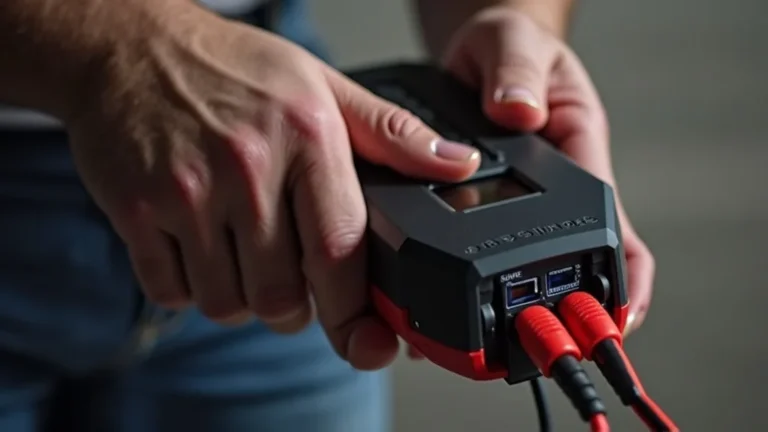
Once you are set up, you can start testing for battery drain using your multimeter. The multimeter has several different settings, so you need to select the correct one. The multimeter is key to correctly measuring electrical issues. You can use this to accurately measure the current draw from your car’s battery and pinpoint potential issues. Make sure the meter is set to measure DC amps (A). You’ll typically find this setting marked with a capital “A” or “mA”. Then, you will have to set up your multimeter to measure current. The most basic way is to connect the multimeter in series with the battery. This means the current flows through the meter. First, unplug the negative (black) battery cable. Then, connect one multimeter lead to the negative battery terminal and the other lead to the negative battery cable. Ensure you have good contact.
- Connect the Multimeter: With the car off and the key removed, disconnect the negative battery cable. Connect one lead of your multimeter to the negative battery terminal and the other lead to the disconnected negative cable. This completes the circuit.
- Wait for Sleep Mode: After connecting the multimeter, wait for about 30–60 minutes. This gives the car’s electrical systems a chance to enter a sleep mode.
- Read the Current Draw: Observe the reading on your multimeter. It will show the amount of current your car is drawing from the battery. Write down the reading.
- Compare the Reading: Compare the reading to the manufacturer’s specification for your vehicle. If the reading is higher than the recommended amount, it indicates a parasitic drain.
- Record the Data: It is vital that you document each reading taken with your multimeter.
For example, the multimeter shows a current draw of 150 mA. The recommended maximum is 50 mA. You have a parasitic drain. If the reading is 20 mA, everything is normal. Suppose you have a high current draw, you can start removing fuses one by one to see which circuit is the problem. Using a multimeter requires accuracy and patience. Always double-check your connections and measurements for accuracy. If you are not comfortable working with electricity, it is best to get help from a professional.
Identifying the Drain Source
If your multimeter indicates a high current draw, you will have to find out where the current is going. This involves carefully disconnecting different circuits to discover which one is causing the drain. Begin by consulting your car’s manual to find the location of the fuse box. A good place to start is to pull the fuses one by one, checking the multimeter after each fuse removal. When you remove a fuse, the current draw should drop. If the reading drops when a fuse is removed, the circuit protected by that fuse is the source of the parasitic drain. If removing a fuse does not affect the reading, then that is not the circuit causing the issue. Make a note of which fuse you pulled.
- Fuse Box Location: Know where the fuse box is in your car. It is usually located under the dashboard, in the engine compartment, or in the trunk.
- Fuse Removal: Carefully remove the fuses one by one, and check the multimeter readings after each one. It’s helpful to have a fuse puller to remove the fuses safely.
- Test and Record: After removing each fuse, check the multimeter. If the reading drops significantly when you remove a particular fuse, that circuit is the source of the drain. Record the affected fuse.
- Inspect the Circuit: Once you’ve identified the circuit with the problem, inspect the components and wiring in that circuit. This can include lights, radios, and other accessories.
- Check the Manual: Refer to the car’s manual to find out what each fuse controls.
For instance, you pull the fuse for the radio, and the current draw drops. You know the radio circuit is the problem. You might find a wiring issue related to your aftermarket stereo install. Let’s say you remove the fuse for the interior lights, and the reading drops. The interior light circuit is the problem. If you remove a fuse and nothing changes, that particular circuit is fine. You need to keep going. Identifying the source takes some work. Once you find the source, you can begin the repair process.
Fixing a Car Alternator Draining Battery
After you have identified the source of the battery drain, you can start fixing the issue. The fix will depend on the problem. It could be something simple like a blown fuse or a loose wire, or it could be more complicated, like a failing component. The fix might involve replacing a faulty part, repairing a wiring issue, or re-wiring something improperly installed. Once you have identified the faulty component, you can replace it. If the problem is wiring, you might need to inspect the wires, repair any damage, and ensure that the connections are secure.
Replacing Faulty Components
If you have identified a bad component as the source of your battery drain, you’ll need to
- Disconnect Power: Before removing anything, disconnect the negative (black) battery cable from the battery.
- Component Removal: Carefully remove the old part. You may need to use tools like screwdrivers, pliers, or wrenches.
- Installation: Install the new part. Be sure to follow any specific instructions that come with the new part.
- Connect Power: Reconnect the negative battery cable.
- Test: After replacing the component, test your car’s electrical system again to make sure the battery drain is fixed.
Let’s say the radio is draining the battery. You should replace the radio or have it checked by a professional to find the issue. If the security system is drawing power, you may have to replace a sensor or module. If it’s a light, you would replace the light. If the light won’t turn off, the switch may be broken. If the issue persists, consider seeking professional help from a qualified mechanic.
Wiring and Connector Repairs
Faulty wiring and connectors are often the cause of parasitic drains. Over time, wires can become frayed, corroded, or damaged. This can create a path for electricity to leak and drain your battery. Begin by carefully inspecting all wiring and connectors in the suspect circuit. Look for any visible signs of damage, like corrosion, frayed wires, or loose connections. Wires exposed to moisture or extreme temperatures are more susceptible to damage. You’ll need to use tools such as wire strippers, crimpers, and a multimeter to properly repair the wiring. Wire strippers help remove the insulation from wires, allowing you to make secure connections. Crimpers are used to attach connectors to the wires, and a multimeter helps test the connections. Ensure any new connections are properly sealed to prevent moisture from affecting them. Be sure to reconnect any wires you disconnected, using the right connections and tools. Once the repairs are complete, retest your car’s electrical system to make sure the battery drain has gone away.
- Inspection: Carefully look for damaged wiring, loose connectors, or corrosion.
- Wire Repairs: Cut and strip any damaged wires and reconnect them. Use wire strippers to expose the wires.
- Connector Repairs: Replace any corroded or damaged connectors. Crimp the new connectors onto the wires using a crimping tool.
- Insulation: Use electrical tape or heat shrink tubing to insulate the repaired wires and connectors.
- Testing: After making the repairs, retest the system with your multimeter to confirm the parasitic drain has been fixed.
For example, you find a corroded wire in the radio circuit.
Checking the Alternator
If you suspect the alternator is draining the battery, you will have to test it. If the alternator isn’t charging the battery properly, it won’t have enough power when the car is off. The alternator should be generating between 13.5 to 14.5 volts while the engine is running. To test the alternator, use your multimeter and set it to measure DC volts. Start your car and let it idle. Place the red probe of the multimeter on the positive terminal of the battery and the black probe on the negative terminal. If the alternator is working well, the voltage reading should be within the normal range. If the voltage is low, then the alternator isn’t charging correctly. To check the alternator’s output, you can also rev the engine slightly. If the voltage doesn’t increase, then there is probably an alternator problem. Consider having your alternator tested at an auto repair shop. This testing can identify any issues with your alternator.
- Visual Inspection: Start by looking for obvious signs of damage, such as loose wires or a damaged belt.
- Voltage Test: Use a multimeter to test the voltage at the battery terminals while the engine is running. The voltage should be between 13.5 and 14.5 volts.
- Load Test: Turn on electrical loads, such as the headlights and AC, to see if the alternator can maintain the voltage.
- Diode Test: Check the diodes in the alternator to ensure they are working properly.
- Professional Testing: If you are unsure, have a professional test the alternator to get an accurate diagnosis.
For example, your multimeter shows 12 volts while the car is running, indicating the alternator isn’t charging. Then, you may have to replace the alternator. Another scenario involves an old or worn alternator belt that is slipping, which affects the charging process. If you find any issues, your alternator might need to be replaced. Proper testing and maintenance of the alternator are key.
Troubleshooting Tips and Prevention
To prevent your car battery from draining, take a proactive approach to car care. This includes regular maintenance, inspecting components, and being mindful of your vehicle’s electrical systems. Proper maintenance can prevent issues with your car’s electrical systems. It’s all about making sure everything is working as it should, so you don’t have to keep jump-starting your car. By following the tips, you can extend the life of your car battery and avoid the frustration of a dead battery.
Regular Maintenance Habits
Regular vehicle maintenance is a must for your car’s electrical system to work properly. Routine maintenance can help prevent a battery drain. This includes making sure everything is properly maintained, from your battery to your alternator. You should check your battery terminals for corrosion regularly. Corroded terminals can prevent the battery from charging correctly and might lead to electrical problems. Also, have your alternator tested regularly. Have a mechanic check your car’s electrical system, including the alternator and the battery. Regularly inspect all of the wires and connections under the hood. Any loose or damaged wires should be addressed right away. Also, check the battery’s age and condition. A battery usually lasts for 3–5 years. If your battery is old, it might be time for a replacement.
- Check Battery Terminals: Keep the battery terminals clean and free from corrosion. Use a wire brush and a battery terminal cleaner to remove any buildup.
- Regular Inspections: Have a professional inspect your electrical system.
- Check the Belt: Make sure the alternator belt is in good shape. Check for cracks, wear, or looseness.
- Keep it Clean: Make sure all components are clean.
- Test Regularly: Test your battery and alternator to make sure they are performing well.
Let’s say you regularly check and clean your battery terminals, preventing corrosion, and ensuring your car can start reliably. Getting a mechanic to check your car’s electrical system can help spot any potential problems. Checking your car regularly, getting it serviced when you should, and getting issues fixed right away will keep your battery healthy. If you take care of your car, it will last longer.
Preventative Measures
To prevent battery drain, take some steps. Make sure all lights and accessories are turned off when you park your car. Check to see if anything is left on. Make sure your headlights are off, and you have closed all doors. Check for aftermarket installations, like stereos, GPS devices, or dash cameras. These devices can drain your battery if they are not wired correctly or if they remain on when the car is off. Inspect your car for any wiring issues. Look for frayed or damaged wires. Have any electrical issues fixed as soon as possible. Consider installing a battery disconnect switch if your car sits for long periods. You can easily disconnect the battery when you don’t use your car for an extended time. Following these steps can help avoid the annoyance of a dead battery.
- Turn Off Accessories: Make it a habit to turn off all lights, radios, and other accessories when you park your car.
- Inspect Wiring: Regularly inspect the wiring for any signs of damage.
- Professional Checkups: Take your car in for regular checkups, including electrical system checks.
- Battery Disconnect Switch: Consider installing a battery disconnect switch if your car will not be used for a long period.
- Monitor: Keep an eye on your car’s battery voltage with a voltmeter.
Suppose you have an aftermarket stereo installed. Ensure that it’s wired correctly. If you will not be using your car for an extended time, you can disconnect the battery. If you regularly check the lights, you can avoid a dead battery. Preventative measures go a long way in ensuring your car starts every time you need it. By taking a few extra steps, you can help prevent unexpected problems.
Real-Life Examples and Case Studies
Let’s check out some real-life scenarios and case studies that highlight the issues associated with a car alternator draining battery when car is off. By looking at these cases, we can better understand how these issues manifest in real-world situations, and the practical solutions that helped resolve them. They can provide valuable insight into troubleshooting and prevention.
- Case Study 1: The Mysterious Drain
A car owner started noticing their car battery going dead overnight. They checked everything, but the battery was still dead. After several frustrating weeks, the owner finally took the car to a mechanic, where a parasitic drain test revealed a problem. The mechanic found an issue with the car’s interior lighting module. The module was not shutting off completely. The mechanic replaced the module, which fixed the problem, and the battery stopped draining.
- Case Study 2: The Aftermarket Stereo Issue
A car owner installed a new stereo system, which caused the car battery to drain overnight. The owner did the parasitic drain test, and found a high current draw. The owner realized the stereo was wired incorrectly. The stereo did not shut off completely when the car was turned off. The owner had to rewire the stereo, making sure it was connected to the car’s ignition circuit. This fixed the battery drain problem.
- Case Study 3: The Alternator Failure
A driver had problems with their car starting after driving only short distances. After driving for a while, the car would struggle to start or would not start at all. The driver took their car to the shop, and a diagnostic test showed a faulty alternator. The alternator was not properly charging the battery while the car was running. Replacing the alternator solved the issue, and the car started right away. This is a common issue with a car alternator draining battery when car is off.
Consider the issue of a faulty interior light module that won’t fully shut off, or a new stereo that keeps drawing power. By learning from these examples, you can be better ready to diagnose and resolve similar issues in your own vehicle. These scenarios illustrate the significance of correct wiring, system checks, and the significance of identifying the root cause of electrical issues.
Frequently Asked Questions
Question: What is a parasitic drain?
Answer: A parasitic drain occurs when an electrical component in your car continues to draw power from the battery even when the engine is off.
Question: How can I test for a parasitic drain?
Answer: You can use a multimeter to measure the current draw from your battery with the car off. If it’s higher than the manufacturer’s specification, there’s a drain.
Question: What should my multimeter read to show a normal draw?
Answer: A normal parasitic draw is typically less than 50 milliamps (mA).
Question: What are the common causes of parasitic drain?
Answer: Common causes include faulty computer modules, security systems, aftermarket accessories, and wiring problems.
Question: How do I find the source of the parasitic drain?
Answer: You can find the source of the drain by removing fuses one by one and checking the multimeter reading after each removal. The circuit associated with the fuse that causes the reading to drop is the source.
Final Thoughts
Dealing with a car alternator draining battery when car is off can be very frustrating, but usually, it’s something you can handle. You should look for parasitic drain. This involves some electrical components continuing to use power even when your car is off. A failing alternator is a common culprit. If you want to identify the cause, use a multimeter to check for any current drain. Then, follow a step-by-step process, checking components and fuses. If there’s a problem, you might have to