Slow Charge vs Fast Charge Battery Which is Best
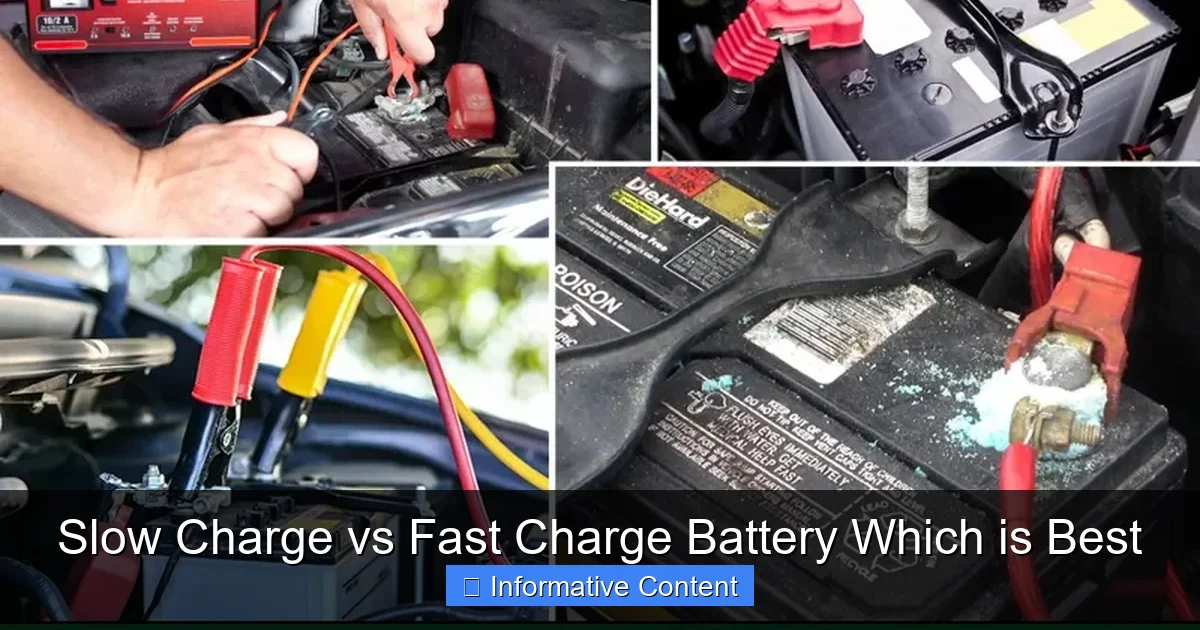
Featured image for slow charge vs fast charge battery
Image source: ik.imagekit.io
The “best” battery charging method—slow charge versus fast charge—ultimately depends on your priorities: convenience or long-term battery health. While fast charging offers unparalleled speed for quick power-ups, it often generates more heat, potentially accelerating battery degradation over time. Conversely, slow charging is significantly kinder to your battery, promoting a longer lifespan and maintaining optimal performance, making it ideal for overnight or whenever time permits.
Hey there! Ever found yourself in a rush, scrambling to get a quick charge into your phone or laptop before heading out the door? We’ve all been there. In our fast-paced world, speed is king, especially when it comes to keeping our devices powered up. But have you ever stopped to wonder if always opting for the quickest charge is truly the best choice for your battery in the long run?
It’s a common dilemma: the convenience of a rapid power boost versus the potential for a longer, healthier battery life. This brings us to the heart of the matter: slow charge vs fast charge battery. It’s more than just a matter of waiting time; it’s about understanding what happens inside your device and making smart choices.
Today, we’re going to dive deep into the world of battery charging. We’ll explore the differences, the science, and the practical implications of both slow and fast charging. By the end, you’ll have a clear picture of which method is truly best for you and your gadgets.
Key Takeaways
- Slow Charging is Best: Maximizes battery lifespan over time.
- Fast Charging Offers Convenience: Use sparingly for critical situations.
- Heat Damages Batteries: Fast charging generates more detrimental heat.
- Prioritize Slow Charging Daily: Maintain optimal battery health.
- Avoid Constant Fast Charging: It degrades your battery faster.
- Charge Within 20-80% Range: Extends overall battery longevity.
- Balance Speed and Health: Choose wisely based on your needs.
📑 Table of Contents
What Exactly Are Slow and Fast Charging?
Let’s start by clarifying what we mean by these terms. It’s not just about how many minutes you wait; it’s about the power delivered to your device.
Understanding Slow Charging
Think of slow charging as the gentle, steady approach. This usually happens when your device is connected to a power source that delivers a lower current. For example, charging through a standard USB port on your computer, a small wall adapter (like the old 5W iPhone chargers), or even some wireless chargers. These methods provide power at a relaxed pace, allowing the battery to fill up gradually.
This method is often the default if you’re not using a specific “fast charger.” It ensures a smooth flow of energy without putting too much strain on the battery’s internal components.
Understanding Fast Charging
On the other hand, fast charging is all about efficiency and speed. Modern devices and chargers are designed to deliver a higher voltage or current to your battery, significantly reducing the time it takes to reach a full charge. Technologies like USB Power Delivery (USB-PD), Qualcomm Quick Charge, and proprietary fast charging systems from brands like Samsung and Apple are prime examples.
These systems work smartly. They often deliver a high burst of power in the initial stages (to get you to 50-80% quickly) and then taper off to a slower, safer rate as the battery gets fuller. This intelligent management is key to making fast charging work without immediate damage.
The Science Behind the Charge: How Batteries React
To truly understand the slow charge vs fast charge battery debate, we need a peek inside the battery itself. Most of our modern gadgets use lithium-ion (Li-ion) batteries, and how they react to different charging speeds is crucial.
Internal Resistance and Heat
When you charge a Li-ion battery, lithium ions move from one electrode to another. This movement isn’t perfectly smooth; there’s always some resistance. When you push more current into the battery quickly (fast charging), these ions have to move much faster. This increased activity generates more internal resistance, and resistance, as we know, creates heat.
Heat is a battery’s biggest enemy. High temperatures accelerate the chemical reactions that lead to battery degradation. This means the battery loses its ability to hold a charge over time. Slow charging, with its lower current, generates far less heat, protecting the battery’s delicate chemistry.
Battery Degradation Factors
Beyond heat, fast charging can sometimes put mechanical stress on the battery’s internal structure. The rapid insertion of lithium ions can cause tiny structural changes within the electrodes over many charge cycles. While modern batteries are remarkably robust and smart charging systems try to mitigate this, consistent high-speed charging can contribute to a slightly faster degradation rate compared to consistently slow charging.
Think of it like filling a balloon. You can slowly fill it, keeping its shape stable. Or you can quickly blast air in. While it might hold, the rapid inflation puts more stress on the material.
The Pros and Cons of Fast Charging
Let’s weigh the benefits against the potential drawbacks when considering slow charge vs fast charge battery.
The Need for Speed
- Unmatched Convenience: This is the biggest draw. A quick 15-minute top-up can give you hours of use, which is invaluable when you’re short on time.
- Emergency Power: If your battery is dying and you have a crucial call or meeting, fast charging is a lifesaver.
- Modern Lifestyle Integration: Many people charge their devices in short bursts throughout the day, and fast charging supports this habit perfectly.
Potential Drawbacks of Rapid Charging
- Increased Heat Generation: As discussed, more heat means more stress on the battery, potentially leading to faster degradation over time.
- Slightly Reduced Lifespan: While not a dramatic difference for daily users, consistently fast charging *can* shave a bit off your battery’s overall lifespan compared to exclusively slow charging.
- Higher Energy Consumption (Minor): Due to heat loss during rapid charging, the process can be marginally less energy-efficient than slow charging, though this difference is often negligible for the end-user.
The Benefits of Slow Charging
Now, let’s look at the advantages of taking it easy when it comes to powering up your devices.
Gentle on Your Battery
Slow charging is like a spa day for your battery. The lower current flow means minimal heat generation. This gentle process helps maintain the integrity of the battery’s internal chemistry and structure for longer.
It’s the natural, less stressful way for lithium ions to move, reducing wear and tear on the components that allow your battery to store energy.
Maximizing Lifespan
If battery longevity is your top priority, slow charging is your best friend. By keeping heat at bay and minimizing internal stress, slow charging contributes significantly to extending the overall life cycles of your battery. This means your device can hold a full charge for more years before you notice significant capacity loss.
For devices you plan to keep for a very long time, or for specific applications where battery lifespan is critical, slow charging is often the recommended approach.
When to Use Which: Practical Scenarios
Deciding between slow charge vs fast charge battery isn’t about one being inherently “bad.” It’s about choosing the right tool for the job. Here are some everyday examples:
Your Daily Commute Scenario
Imagine you have a long day ahead, and you only have 20 minutes before you leave. This is a perfect scenario for fast charging. Get that quick boost to power through your morning. The convenience outweighs the marginal long-term battery impact for that urgent need.
Overnight Charging Habits
When you’re sleeping, time is not an issue. This is the ideal time for slow charging. Plug your phone into a standard, lower-wattage charger overnight. Many modern devices have “optimized charging” features that learn your sleep patterns and only fast charge to 80% then slow charge the rest, reducing strain. If you have such a feature, use it!
Emergency Power Ups
Need to quickly charge your tablet before a presentation? Fast charge it. The immediate need for power takes precedence. Don’t stress about a single fast charge harming your battery beyond repair.
Here’s a quick comparison of the two approaches:
| Feature | Slow Charging | Fast Charging |
|---|---|---|
| Charge Speed | Slower, more time required | Rapid, quick top-ups |
| Battery Heat | Minimal heat generation | Significant heat generation |
| Battery Lifespan | Generally extended | Potentially reduced (over time) |
| Convenience | Less convenient for urgent needs | Highly convenient for urgent needs |
| Energy Efficiency | Often slightly higher | Can be slightly lower (due to heat loss) |
Debunking Myths and Making the “Best” Choice
There are many myths surrounding battery charging. Let’s clear some things up to help you make an informed decision about slow charge vs fast charge battery.
Is Fast Charging Always Bad?
Absolutely not! Modern fast charging systems are incredibly sophisticated. They have built-in safeguards, temperature sensors, and intelligent power delivery that prevent overheating and overcharging. Using a certified fast charger with a compatible device is generally safe. The key is moderation and understanding.
It’s like driving a car. You *can* drive fast, and sometimes you need to. But if you constantly push the engine to its limits, it will wear out faster than if you mostly drive at a moderate pace.
Finding Your Balance
The “best” approach is often a balanced one. Don’t be afraid to use fast charging when you genuinely need speed. It’s there for convenience! But when you have the time, especially overnight, opt for slow charging. This hybrid approach allows you to enjoy the benefits of both while mitigating the potential downsides.
Also, consider these tips:
- Use Quality Chargers: Always use chargers and cables from reputable brands that are designed for your device. Cheap, uncertified chargers can be less efficient and potentially harmful.
- Avoid Extreme Temperatures: Whether fast or slow charging, never charge your device in direct sunlight or very cold environments. Optimal charging happens at room temperature.
- Don’t Drain to Zero: Try not to let your battery die completely too often. Li-ion batteries prefer to be topped up regularly rather than going from 0% to 100%.
So, which is best: slow charge vs fast charge battery? The answer isn’t black and white. It really depends on your immediate needs, your long-term goals for your device’s battery life, and your personal charging habits. Fast charging offers incredible convenience, while slow charging offers a gentler touch for maximum longevity.
By understanding how each method impacts your battery, you can make smarter choices. Use fast charging when you need that quick boost to power through your day. But when time isn’t an issue, give your battery the kindness of a slow, steady charge. A balanced approach will help you get the most out of your devices, ensuring they stay powered and ready for whatever life throws your way.
Frequently Asked Questions
What exactly is the difference between slow charge and fast charge?
Slow charging delivers power at a lower wattage, typically around 5W, and takes longer to fully charge your device. Fast charging, on the other hand, uses higher wattages (e.g., 18W, 30W, 65W or more) to significantly reduce the time needed to fully charge your battery.
Is fast charging bad for my battery in the long run?
While fast charging can generate more heat, which over time can slightly accelerate battery degradation, modern batteries and chargers have sophisticated safety mechanisms to mitigate this. For most users, the convenience outweighs the minimal long-term impact on battery health within a typical device lifespan.
Which is better for overall battery health: slow charge vs fast charge?
For optimal long-term battery health, consistently using slow charging is often considered slightly gentler due to less heat generation. However, the difference in battery lifespan between regular fast charging and slow charging is often negligible for most users within the typical ownership period of a device.
When should I choose slow charging over fast charging?
You might prefer slow charging overnight or when you have ample time and aren’t in a hurry, as it minimizes heat stress on the battery. It’s a good habit for extending the absolute maximum lifespan of your battery, though the practical benefit may be small for daily use.
Does fast charging make my device hotter than slow charging?
Yes, fast charging typically generates more heat than slow charging due to the higher power delivery and resistance within the battery. While device manufacturers design systems to manage this heat, you might notice your phone or laptop getting warmer during a fast-charge cycle.
How do I know if my device supports fast charge vs slow charge, and what charger should I use?
Check your device’s specifications or its original charger, which usually indicates supported fast-charging standards and wattages. To utilize fast charging, you’ll need both a device that supports it and a compatible fast charger, often marked with higher wattage outputs.