Car Alternator Smoking Smell: What Causes It and How To Fix
If you’ve ever smelled a car alternator smoking smell, you’re not alone! It can be a little scary, especially if you’re not a car expert. This happens because the alternator, which charges your car’s battery, can sometimes overheat. Don’t worry, we’ll break down the common reasons why this happens, and provide easy steps to help you figure out what’s going on and what you can do about it. Ready to explore the ins and outs? Let’s get started!
What Causes a Car Alternator Smoking Smell?
A car alternator smoking smell often points to a problem with your vehicle’s electrical system. Alternators are crucial components, supplying power to all the electrical devices in your car and charging the battery while the engine runs. When the alternator works incorrectly, it can generate excessive heat. This heat can then cause the components inside the alternator to burn, leading to the smell. The smell can range from burning rubber to a strong electrical odor. It’s important to identify the cause quickly because continued use could damage other parts of your car, or even leave you stranded. There are several reasons this can occur, many of which can be addressed with some basic troubleshooting.
Overcharging: A Common Culprit
One of the most frequent reasons for an alternator smoking smell is overcharging. The alternator regulates the flow of electricity to your car’s battery and electrical system. If the voltage regulator, either internal or external to the alternator, malfunctions, it might send too much voltage to the battery. This excess voltage creates a buildup of heat inside the alternator, which can cause it to smoke and fail. Additionally, the battery itself will begin to overheat, potentially leading to damage or even a battery explosion. Checking the battery’s voltage and the alternator’s output voltage are the first key steps in pinpointing an overcharging issue.
- The Voltage Regulator. This is the brain of the alternator, controlling the electrical output. When it goes bad, it can’t correctly manage the voltage, causing overcharging.
- Battery Condition. A failing battery can draw too much current from the alternator, making it work harder and overheat. Old batteries or those with internal shorts may have trouble.
- Signs of Overcharging. Bulging battery cases, burnt smells, and dimming or flickering lights are all indications the alternator might be charging too much.
- Testing the System. Using a multimeter to test the voltage at the battery while the engine runs can identify overcharging quickly.
Internal Component Failure
Another common cause of an alternator smoking smell stems from the failure of internal components. Alternators are complicated devices with many elements. These parts are constantly moving and generating heat, so they can be susceptible to wear and tear. Over time, parts like the diodes (rectifiers), stator windings, or rotor can fail, causing the alternator to generate excessive heat. A malfunctioning diode can allow AC current to pass through to the DC-powered car components, which may lead to extreme heat. The smell, which often smells of burning wire insulation, is a clear signal that something has gone wrong internally, and the alternator will need to be checked or replaced.
- Diodes. These little devices convert AC electricity into DC electricity. When they fail, they may produce excessive heat.
- Stator Windings. These copper coils generate electricity as the rotor spins. Wear or short circuits in the windings can lead to overheating.
- Rotor. The rotating part inside the alternator can experience problems. Issues here can also trigger a car alternator smoking smell.
- Bearing Failure. Worn-out bearings increase friction, causing extra heat and making the alternator work harder.
Electrical Load Overload
Sometimes, the problem isn’t inside the alternator itself, but rather the demands being placed on it. If you add a lot of electrical accessories to your car, like a high-powered stereo system, extra lights, or other aftermarket devices, you might be overloading the alternator. It is designed to handle a certain electrical load, and exceeding that capacity can cause it to work harder and generate excessive heat. This is especially likely if these extras were installed improperly, drawing more current than the system can manage. It is crucial to ensure that any aftermarket additions are installed correctly and that your alternator is powerful enough to support them.
- Extra Accessories. Many add-ons, like upgraded sound systems, can drain excessive power from the car’s electrical system.
- Incorrect Wiring. Poor wiring connections or wiring that is not adequately sized can cause more resistance, making the alternator work harder and overheat.
- High Electrical Demand. If you’re constantly running several high-power devices simultaneously, such as the air conditioning, headlights, and sound system, you might be overloading the alternator.
- System Testing. Use a multimeter to measure the current draw of all accessories and verify that they are within the alternator’s capacity.
How to Identify the Car Alternator Smoking Smell Problem
Recognizing the specific signs of a car alternator smoking smell is essential for taking the right steps to fix it. Knowing what to look for and where to begin investigating helps you determine the underlying cause and protect your vehicle from further damage. Early detection is especially important because it can help prevent more costly problems down the road. It helps to understand some easy methods and clues to get you going. Let’s delve into how to correctly diagnose this problem.
Smell and Visual Inspection
The first thing to do is trust your senses. When you smell a car alternator smoking smell, pull over safely and turn off the engine immediately. Allow the car to cool. Use your eyes and nose to identify the source of the smell. Is it coming directly from the alternator area? Is there smoke? Are there any visible signs of damage, such as melted wires or burnt components? The smell itself can offer clues. A burning rubber smell usually means the belt is slipping and overheating. An electrical smell, like burning plastic, can suggest internal electrical problems. A thorough visual inspection may reveal a loose wire, damaged insulation, or a melted component, providing insights into the problem’s root cause.
- The Smell. Determine if the smell is distinct, such as burning rubber (belt slipping), or a more general electrical burning.
- Visual Clues. Look for any smoke coming from the alternator area.
- Inspect the Belt. Check the serpentine belt for damage and ensure it’s properly tensioned.
- Look for Leaks. Check for fluids leaking on or near the alternator.
Testing the Alternator with a Multimeter
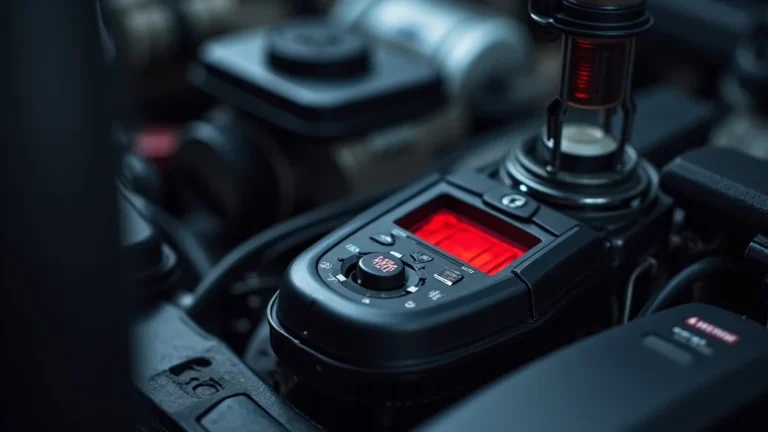
A multimeter is a handy tool to help diagnose electrical problems. To test your alternator, set the multimeter to the DC voltage setting and attach the probes to the battery terminals. With the engine off, the battery voltage should be around 12.6 volts. Now, start the engine. The voltage should jump up to around 13.5 to 14.5 volts. This indicates the alternator is charging properly. If the voltage remains near the battery’s voltage or spikes far above 14.5 volts, the alternator may have problems. A higher voltage may indicate overcharging. Low voltage may indicate that the alternator isn’t charging the battery. Also, check the AC voltage setting to search for stray AC voltage coming from the alternator, which would suggest bad diodes.
- Battery Voltage (Engine Off). Battery should read around 12.6 volts.
- Charging Voltage (Engine On). Voltage should increase to approximately 13.5 – 14.5 volts.
- AC Voltage Test. Check for AC voltage at the battery terminals to identify failing diodes.
- Voltage Drops. Watch for voltage drops as you turn on accessories like the headlights or AC.
Checking the Serpentine Belt and Connections
The serpentine belt drives the alternator, and if it’s slipping or damaged, it can cause the alternator to work harder, overheat, and produce a car alternator smoking smell. Inspect the belt for cracks, wear, or damage. Check the belt’s tension and make sure it is tight enough to turn the alternator pulley without slipping. Also, examine all electrical connections to and from the alternator. Loose or corroded connections can cause increased resistance and heat. Ensure all wires are secure and that there is no corrosion. Cleaning the connections or replacing a damaged belt can often resolve the problem and prevent further issues.
- Belt Condition. Check for cracks, fraying, or wear.
- Belt Tension. Ensure the belt is properly tensioned using a belt tension gauge, if possible.
- Wire Connections. Look for any loose or corroded wire connections.
- Corrosion. Clean any corrosion you find using a wire brush and electrical cleaner.
Step-by-Step Troubleshooting for Car Alternator Problems
When you’ve identified a car alternator smoking smell, you’re now ready to start fixing it. A systematic approach is crucial. Following a step-by-step troubleshooting plan can help you pinpoint the issue and take the correct action. Always prioritize safety first. Turn off the engine and let it cool before you begin. Gather the tools you need and be patient. This method can help you fix the problem and get you back on the road safely.
Step 1: Safety First
Before you begin, safety is the most important thing. Always park your car on a level surface and engage the parking brake. Turn off the engine and let it cool down before starting any work. The alternator can get extremely hot. It is best to wait at least 30 minutes, or until the engine components are cool to the touch. When working with electrical components, disconnect the negative battery cable to prevent short circuits and accidental shocks. Wear safety glasses to protect your eyes. It is also a good practice to wear gloves, particularly if working around the serpentine belt, as this can be quite dirty.
- Park Safely. Park on a flat surface, apply the parking brake.
- Cool Down. Wait for the engine to cool down completely.
- Disconnect Battery. Disconnect the negative battery cable.
- Safety Gear. Wear safety glasses and gloves.
Step 2: Visual and Olfactory Inspection
After your safety preparations, now it’s time for a detailed inspection. Start by visually inspecting the alternator and the surrounding components. Look for any signs of damage, such as melted wires, burnt insulation, or leaks. Smell the area around the alternator. The smell can provide essential clues about the source of the problem. A burning rubber smell usually means the serpentine belt is slipping. An electrical smell, like burning plastic, could signify internal electrical problems. Check the serpentine belt for cracks, wear, or improper tension. Look at the wires and connectors for corrosion or loose connections. Make a careful note of anything unusual that can help you with your diagnosis.
- Check for Smoke. Note the location and color of the smoke.
- Smell Test. Identify the specific smell (rubber, electrical, etc.).
- Inspect the Belt. Look for wear, cracks, and proper tension.
- Check Connections. Examine all wires and connectors for damage or corrosion.
Step 3: Using a Multimeter for Testing
Next, use a multimeter to test the alternator’s output. Set the multimeter to the DC voltage setting and place the probes on the battery terminals. With the engine off, the battery voltage should be around 12.6 volts. Now, start the engine. The voltage should increase to around 13.5 to 14.5 volts. If the voltage remains near the battery’s voltage or spikes excessively high, the alternator may have problems. If the voltage is too low, the alternator might not be charging the battery properly. Also, you can check for AC voltage with the multimeter. If you detect stray AC voltage from the alternator, it may be a sign of a bad diode. It is best to consult the service manual for your car to have the correct procedure.
- Battery Voltage (Engine Off). Should be approximately 12.6 volts.
- Charging Voltage (Engine On). Should increase to 13.5 – 14.5 volts.
- AC Voltage Test. Check for stray AC voltage to find a failing diode.
- Load Test. Turn on accessories to check how the alternator performs under load.
Preventing Future Car Alternator Smoking Smell Issues
Once you have solved the immediate problem, the next step is to take actions to prevent future car alternator smoking smell issues. A combination of regular maintenance and mindful driving habits can significantly extend the life of your alternator and keep your electrical system in top shape. Proactive measures, such as periodic inspections and timely servicing, are key to preventing the costly and inconvenient breakdowns related to alternator failures. These steps will assist you in keeping your car in good condition, decreasing the odds of future difficulties.
Regular Maintenance and Inspections
The best way to prevent alternator issues is through routine maintenance and inspections. Regularly check the serpentine belt for signs of wear and tear, like cracks or fraying.
- Belt Inspection. Inspect the serpentine belt for damage and wear every six months.
- Connection Checks. Inspect all electrical connections for corrosion every year.
- Battery Terminal Maintenance. Clean and tighten battery terminals regularly.
- Professional Checkups. Have the electrical system tested during regular service visits.
Avoiding Overloading the Electrical System
Another crucial step in preventing future issues is to avoid overloading your car’s electrical system. Be mindful of the number of electrical devices you operate at the same time. Try to avoid using multiple high-power devices simultaneously, such as the air conditioning, headlights, and sound system, especially during periods of low engine RPMs. If you have added aftermarket accessories, make sure they were properly installed and that your alternator has enough power. Consider upgrading to a higher-output alternator if you have many power-hungry devices. Limit the use of electrical devices while the engine is idling, as the alternator’s output might be lower at idle. By being aware of your electrical load and taking measures to manage it, you can lessen the risk of overworking your alternator and the associated problems.
- Limit Simultaneous Use. Avoid using many high-power devices at once.
- Check Aftermarket Accessories. Make sure they are installed correctly and within your alternator’s capacity.
- Upgrade if Needed. Consider upgrading the alternator if you have many electrical add-ons.
- Reduce Load at Idle. Limit the use of electrical devices while the engine is idling.
Driving Habits for Alternator Longevity
Your driving habits have a big role in how long your alternator lasts. To maximize the life of your alternator, avoid constantly revving the engine at high RPMs. Extended operation at high RPMs can place extra strain on the alternator. It is also smart to avoid frequently starting and stopping your engine, since starting the engine requires a lot of power from the alternator and battery. Make sure your battery is always in good condition. If the battery is weak, the alternator must work harder to keep it charged, potentially leading to overheating. A weak battery can also damage the alternator. It is best to avoid letting your car sit unused for long periods. If your car sits for an extended period, the battery can drain, forcing the alternator to work harder after a restart.
- Avoid High RPMs. Refrain from constantly revving the engine to high RPMs.
- Limit Frequent Starts. Avoid excessive starting and stopping of the engine.
- Keep Battery Healthy. Always keep your car’s battery in good condition.
- Regular Use. Try to drive your car regularly to keep the battery charged.
Here’s an example of how you can put these tips into practice.
- Regular Battery Testing. Have your car’s battery tested annually to ensure it’s holding a charge. This prevents the alternator from working overtime.
- Seasonal Inspections. Get your car’s electrical system inspected at the start of both winter and summer. This helps catch potential problems before they become major issues.
- Avoid Long Idling. If you’re going to be stationary for a while, turn off unnecessary electrical accessories to reduce the load on the alternator.
Based on these practices, the alternator should continue to work and support the electrical components of the car.
Frequently Asked Questions
Question: What is the main function of the alternator?
Answer: The primary job of the alternator is to produce electricity to power your car’s electrical systems and charge the battery while the engine is running.
Question: How can I tell if my alternator is failing?
Answer: Common signs of a failing alternator include dimming headlights, a dead battery, and the car not starting after driving, plus, of course, the car alternator smoking smell.
Question: Can I drive my car if the alternator is smoking?
Answer: No, it is dangerous to continue driving if you smell the car alternator smoking smell. Pull over immediately and turn off the engine to prevent further damage or a fire.
Question: What are some common causes of alternator failure?
Answer: Common causes include overcharging due to a faulty voltage regulator, internal component failure (like diodes or windings), and overloading the electrical system.
Question: How often should I replace my alternator?
Answer: Alternator lifespan can vary, but generally, they last between 80,000 to 150,000 miles. Regular maintenance and careful driving habits can help extend the life of your alternator.
Final Thoughts
When you encounter a car alternator smoking smell, it’s natural to be concerned. However, by exploring the causes and following the steps outlined here, you can address the problem effectively. We’ve explored the main reasons for this smell, from overcharging and internal component failure to electrical load overload. It’s key to identify the specific issue through inspection, testing, and troubleshooting. Remember to prioritize safety by turning off the engine and letting it cool down. Using a multimeter to test the voltage and checking the serpentine belt are key steps in the process. Proactive upkeep, like routine inspections and maintaining driving habits, are essential for averting future difficulties. With these actions in place, you can keep your car’s electrical system in good condition and ensure smooth, reliable driving. Don’t let a smoking alternator alarm you! Take action now, and keep your vehicle working effectively.