Car Alternator Overheating: Causes, Symptoms, and Solutions
Dealing with a car alternator overheating problem can feel overwhelming if you’re not a car expert. It’s a common issue, even for those new to car maintenance. Don’t worry, many drivers face this! It can often be solved with some basic knowledge. This guide will walk you through the reasons behind car alternator overheating, the signs to watch out for, and easy, step-by-step actions you can take to fix the problem. Let’s get started.
What Causes a Car Alternator to Overheat?
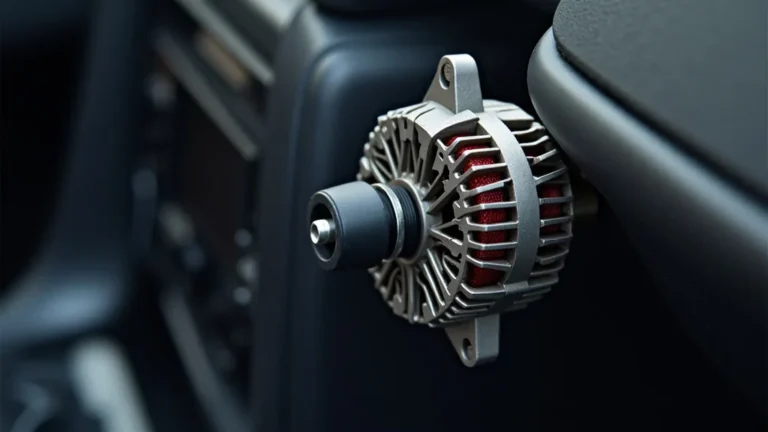
The car alternator is like the power plant of your vehicle, converting mechanical energy from the engine into electrical energy to keep your car’s electrical systems running and charge the battery. When this process goes wrong, heat can build up, leading to an car alternator overheating. Many things can cause this, from simple issues to more complicated ones. Some are easy to fix; others need a professional touch. The good news is, by exploring the common causes, you can often spot the problem before it becomes a major headache. Knowing what to look for will help you stay on the road.
Electrical Overload and High Demand
One primary reason for an alternator to overheat is excessive electrical demand. Modern cars are packed with electrical components, from the headlights and stereo to the air conditioning and power windows. Each of these draws power from the alternator. If too many of these are used at once, or if a single component demands too much power, the alternator has to work extra hard. This overexertion generates heat. Think of it like running a marathon without proper training; the alternator is pushed beyond its limits.
- Using Multiple High-Power Accessories Simultaneously: Turning on your headlights, air conditioning, and a powerful sound system at the same time puts a huge demand on the electrical system. Each of these components consumes a significant amount of electricity, and using them together can exceed the alternator’s capacity.
- Faulty Electrical Components: Problems within the electrical components can cause an excessive electrical load. A short circuit or a defective component may start drawing too much current, placing extra strain on the alternator.
- Incorrect Wiring: Improper wiring or loose connections can lead to increased resistance, which causes heat. This is another situation where an electrician’s help is needed.
For example, imagine a driver on a long trip during a heatwave. They have the air conditioning running at full blast, the headlights on due to darkness, and they are also charging multiple devices. This simultaneous use can quickly overload the electrical system. This extra demand will cause the car alternator to overheat.
Mechanical Issues: Belt Problems and Bearing Failures
The alternator is driven by a belt connected to the engine’s crankshaft. This belt is critical because it transfers mechanical energy, causing the alternator to spin and generate electricity. Problems with this belt, or the bearings within the alternator, can also cause overheating. These issues often lead to friction and resistance. Think of a machine with parts that are not working together smoothly. This friction quickly causes the parts to heat up, eventually damaging the unit. Regular maintenance and checks can prevent these problems from escalating.
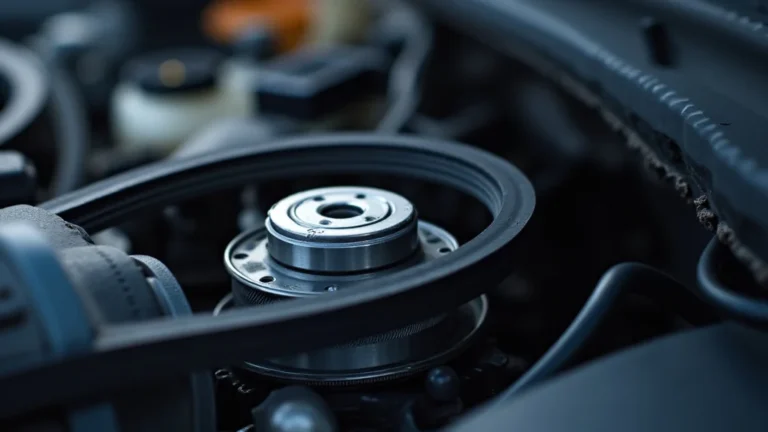
- Worn or Loose Drive Belt: A worn or loose serpentine belt, which drives the alternator, can slip. Slipping causes the alternator to spin inefficiently and requires it to work harder to maintain its output, generating excess heat.
- Bearing Failure: The alternator has bearings that allow the rotor to spin freely. As these bearings wear out, they create friction, similar to a bicycle wheel with a worn bearing. This friction generates heat.
- Pulley Problems: A misaligned or damaged pulley on the alternator can also put a strain on the belt and the alternator itself. This can lead to increased friction and heat.
Consider a driver who ignores the tell-tale signs of a failing serpentine belt, like squealing noises. As the belt deteriorates, it loses its grip on the alternator pulley. This results in the alternator working harder and causing the car alternator to overheat. The same can occur if the bearings within the alternator wear down, creating significant friction.
Voltage Regulator and Internal Issues
The voltage regulator within the alternator is responsible for controlling the voltage output. If it malfunctions, it can cause the alternator to generate too much voltage or current, which leads to overheating. The voltage regulator is like the brain of the alternator, ensuring that the electricity flow is steady and safe. Over time, internal components can also fail. These failures can create increased resistance and lead to overheating. Addressing these internal issues often requires a deeper level of diagnostics and repair.
- Voltage Regulator Failure: If the voltage regulator fails, the alternator may produce too much voltage. This “overcharging” can quickly cause heat to build up, damaging the alternator and potentially other electrical components.
- Diode Problems: Alternators have diodes that convert the alternating current (AC) into direct current (DC) that can be used by the car. When these diodes fail, they can restrict the flow of electricity, and the alternator will overheat.
- Internal Short Circuits: Short circuits inside the alternator can cause excessive current flow and heat generation. These are more challenging to diagnose without proper equipment.
A classic example of this is a voltage regulator that malfunctions and overcharges the battery. The excessive voltage forces the alternator to work harder, generating extreme heat and potentially damaging its components. Additionally, a faulty diode can lead to a similar result: a car alternator overheating.
Common Symptoms of a Car Alternator Overheating
Recognizing the symptoms of an car alternator overheating issue can help you address the problem before it causes significant damage or leaves you stranded. Several tell-tale signs can indicate that your alternator is struggling. These range from visual clues to changes in how your car performs. Knowing what to look for allows you to take timely action. These symptoms act as your warning system, signaling that something is wrong. Pay attention to what your car is trying to tell you.
Warning Lights and Electrical Issues
One of the most immediate indicators of an alternator problem is the appearance of warning lights on your dashboard. This is the first level of alerting, as the car is literally communicating to you that there is something wrong. These lights alert you to the electrical issues. Besides warning lights, unusual electrical behavior can also point to alternator problems. By monitoring these signals, you can pinpoint the core issue and then start your solution.
- Battery Warning Light: The most common symptom is the battery warning light illuminating on the dashboard, even if the battery itself is good. This light usually indicates a problem with the charging system, including the alternator.
- Dimming or Flickering Lights: If your headlights, interior lights, or dashboard lights are dimming or flickering, it can signal that the alternator is not providing enough power. The electrical load cannot be supported.
- Erratic Behavior of Electrical Components: Unusual behavior from other electrical components, such as the power windows, stereo, or air conditioning, can also be a sign of an alternator problem.
For example, if you are driving at night and notice your headlights flickering and the battery warning light turning on, it’s a good time to get your car checked. These are common symptoms that indicate the alternator isn’t delivering the required power to all the electrical components.
Unusual Noises and Smells
Listen carefully to your car. Odd noises or strange smells coming from the engine compartment can often indicate an car alternator overheating issue. These sensory clues can provide essential information about the state of your car’s alternator. Both sounds and smells can give you an early warning. They give you the opportunity to address the issue before it leads to serious and expensive damage.
- Squealing or Whining Sounds: Squealing noises from under the hood, especially when you start the engine or turn on electrical accessories, can indicate a problem with the drive belt, which is closely linked to alternator function.
- Burning Smell: A burning smell, similar to burning rubber or plastic, coming from the engine compartment is a severe warning. This odor suggests that the alternator has been overheating to a high degree.
- Grinding or Rubbing Sounds: Grinding or rubbing noises can suggest bearing issues within the alternator, which generate heat through increased friction. These sounds require your attention to prevent severe damage.
Picture this scenario: You turn on your car, and you hear a distinct squealing sound from the engine. As you start using the headlights and radio, the sound gets worse. This is a common situation where the drive belt is slipping because of alternator issues. Addressing it quickly will save you problems.
Performance Changes and Battery Troubles
Sometimes, the symptoms of an car alternator overheating problem are related to how the car drives and how the battery performs. These can include a range of issues. These symptoms are a good indicator that something is not running efficiently. Being aware of the impact on your car’s functionality is key to identifying alternator problems.
- Difficulty Starting the Car: If the alternator isn’t charging the battery properly, you may struggle to start your car. This can happen especially after the car has been sitting for a while, because the battery drains from the lack of power.
- Frequent Battery Issues: If your battery seems to drain quickly or you need to jump-start your car repeatedly, the alternator may not be charging the battery effectively.
- Reduced Performance: In severe cases, the engine can stall or lose power, especially when multiple electrical accessories are in use, because the car isn’t getting enough electricity.
Imagine your car suddenly loses power while you’re driving. You may notice the lights dimming and the engine running roughly. If this is due to alternator problems, you may have difficulty restarting your car because the battery is not charged properly.
Step-by-Step Solutions to Address Car Alternator Overheating
If you suspect your car’s alternator is overheating, there are some steps you can take to try and fix the problem. This includes a number of troubleshooting actions. However, some of these steps depend on your comfort level with car repairs. These actions are designed to help you identify the underlying issues. Remember, if you are not comfortable working on your car, it is best to consult a professional mechanic. Safety comes first!
Initial Checks and Visual Inspection
The first step is always to examine your vehicle. These checks are designed to help you quickly identify some basic causes. You can often spot the most obvious issues early on, which can save you time and money. A visual check can prevent small issues from becoming larger problems, and save time and money. Remember that safety is key when performing any inspection.
- Check the Drive Belt: Inspect the serpentine belt for signs of wear and tear, such as cracks, fraying, or glazing. If the belt looks damaged, it can cause problems for the alternator.
- Examine Connections: Look at the wiring connections to the alternator. Look for any loose or corroded wires. Good connections are essential for proper electricity flow.
- Listen for Unusual Sounds: Start your engine and listen for squealing, grinding, or whining noises, which can indicate mechanical problems within the alternator.
For instance, if you notice the drive belt has cracks or is frayed, it’s time to replace it. A worn belt can slip, making the alternator work harder and overheat.
Testing and Diagnostics
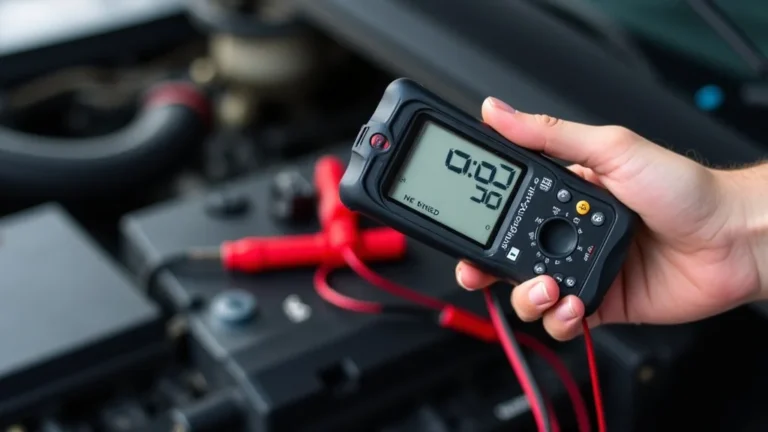
If the visual inspection doesn’t reveal the problem, you may need some tests to identify the cause. These tests may require a multimeter to measure voltage and current. These tests will help you understand the functionality of the alternator. These diagnostics can assist in identifying the core causes of the overheating issue. If you’re not used to electrical testing, consider consulting with a mechanic.
- Battery Voltage Test: Use a multimeter to measure the battery voltage when the engine is off and then running. A drop in voltage when the engine is running might signal an alternator problem.
- Alternator Output Test: With the engine running, test the alternator’s output voltage. The voltage should be higher than the battery voltage, typically between 13.5 and 14.5 volts.
- Current Draw Test: This test is to measure how much current your car’s electrical system uses. This can help identify potential overloads that are putting strain on the alternator.
For instance, let’s say you use a multimeter to test the battery. You find the voltage drops when the engine is running. The drop suggests that the alternator is not charging the battery properly, which may result in an car alternator overheating condition.
Troubleshooting and Further Actions
Once you’ve conducted the tests, you will have a better idea of what is causing the alternator to overheat. Depending on the test results, you might be able to find the solution. After you have your test results, you will know the best method to resolve the problem. Remember that if you are not comfortable performing repairs, always consult a professional mechanic.
- Drive Belt Replacement: If the belt looks worn or loose, replacing it can often solve the problem.
- Electrical Component Inspection: Check electrical components for shorts or overloads. Repair any faulty components.
- Professional Inspection: If your tests reveal internal alternator issues or problems with the voltage regulator, you should consult a mechanic. This is a complex area, best handled by a professional.
As an example, if the multimeter indicates that the alternator is not charging properly, a mechanic may replace the alternator or repair internal components, addressing the root cause of the overheating.
Preventive Maintenance and Practices
Preventative steps can help keep your alternator in good condition and reduce the chances of overheating. These actions can extend the life of your alternator. They also prevent the trouble of an unexpected breakdown. By adopting a proactive approach, you can avoid a range of issues.
Regular Inspections and Belt Care
One of the easiest ways to keep your alternator in top shape is through regular inspections. A small investment of time can prevent significant and costly repairs. These routine checks are important for maintaining your vehicle’s overall health and avoiding unexpected issues. Early detection of problems is key.
- Periodic Drive Belt Inspections: Inspect your serpentine belt during every oil change or every few months. Look for cracks, fraying, or any signs of wear.
- Belt Replacement at Recommended Intervals: Follow your car manufacturer’s recommendations for when to replace the serpentine belt, even if it looks okay.
- Pulley Alignment Checks: Ensure all pulleys, including the alternator pulley, are properly aligned. Misalignment can damage the belt and the alternator.
For instance, by checking your drive belt regularly, you can detect any wear and tear early on. Replacing the belt before it fails will help prevent the car alternator from overheating.
Electrical System Management
How you use your car’s electrical systems can also influence the alternator’s lifespan. Managing the use of electrical components can ease the burden on the alternator. It is like balancing the workload on any system. Be aware of how you use your car’s electrical components, and the electrical system will continue to provide service.
- Minimize Simultaneous Use of High-Power Accessories: Avoid using too many power-hungry components at the same time, such as air conditioning, headlights, and a sound system, especially on short trips.
- Check Electrical Accessories Regularly: Make sure your electrical accessories, like the stereo, are working correctly and not drawing excessive power.
- Avoid Prolonged Idling: Excessive idling can stress the alternator, particularly if you are also using many electrical accessories.
For example, if you are driving during a hot summer day, try not to simultaneously run the air conditioner at full blast and charge multiple electronic devices. This action will reduce the load on your alternator.
Proper Battery Maintenance
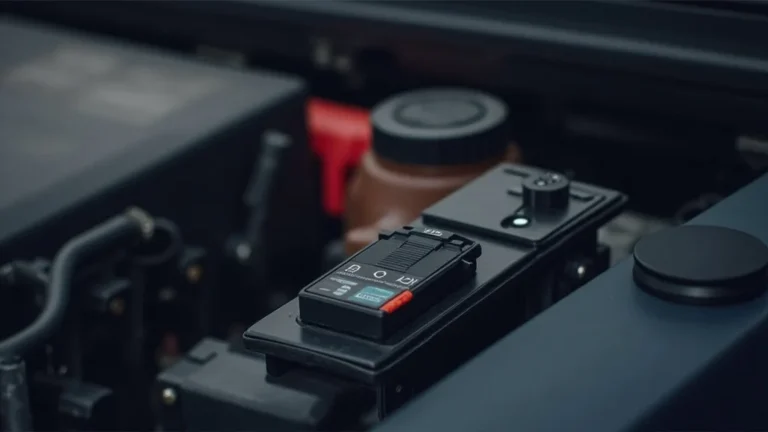
Battery and alternator work together. Proper battery maintenance is crucial for the health of your alternator. A well-maintained battery provides the right electrical starting point. A battery in good condition requires less from the alternator. Battery care will assist in the operation of the electrical system.
- Regular Battery Testing: Have your battery tested regularly to ensure it is holding a charge and delivering sufficient power.
- Keep Battery Terminals Clean: Clean and secure battery terminals enhance electrical connections. Corrosion can cause problems.
- Consider Battery Age and Replacement: Replace your battery at the manufacturer’s recommended intervals or when it starts to show signs of failure.
Let’s say you regularly test your battery. You can detect any problems with charging and battery capacity. This knowledge can give you an early warning. It can help you prevent electrical issues that could lead to your car alternator overheating.
Frequently Asked Questions
Question: What does a burning smell mean regarding my alternator?
Answer: A burning smell, often described as burning rubber or plastic, indicates that the alternator is severely overheating. This smell is a critical warning sign that should prompt you to stop your car as soon as safely possible to prevent further damage. The issue needs immediate attention.
Question: How often should I check my alternator’s drive belt?
Answer: You should inspect your alternator’s drive belt at least every few months, or during every oil change. Look for cracks, fraying, or any signs of wear and tear. Regular inspections will help catch problems early and prevent them from causing issues.
Question: Can a bad battery cause my alternator to overheat?
Answer: Yes, a bad or failing battery can contribute to alternator overheating. If the battery can’t hold a charge, the alternator will work harder to try and keep the battery charged, leading to increased heat and potential overheating.
Question: What’s the impact of using high-power accessories on my alternator?
Answer: Using multiple high-power accessories, such as the air conditioning, headlights, and sound system, at the same time puts a high demand on the alternator. This can make the alternator work harder, increase its temperature, and potentially lead to overheating.
Question: Is it safe to drive with a battery warning light on?
Answer: No, it is not safe to continue driving with the battery warning light on for an extended period. This light signals an issue within the charging system, possibly involving the alternator. Continuing to drive may lead to a stalled engine and other electrical problems.
Final Thoughts
Knowing the causes, recognizing the symptoms, and taking the right steps to address car alternator overheating can keep your vehicle running smoothly. It’s often the result of something simple that can be easily fixed. Remember to pay close attention to the warning signs. If you notice any unusual noises, smells, or electrical problems, take prompt action. Perform a visual inspection and do the suggested tests. Regular inspections, careful electrical system management, and proper battery maintenance can all contribute to a longer life for your alternator. If you’re not comfortable working on your car, don’t hesitate to seek help from a professional mechanic. By taking these measures, you can protect your vehicle and stay safe on the road. The goal is a reliable and trouble-free car experience. That is what we all strive for!