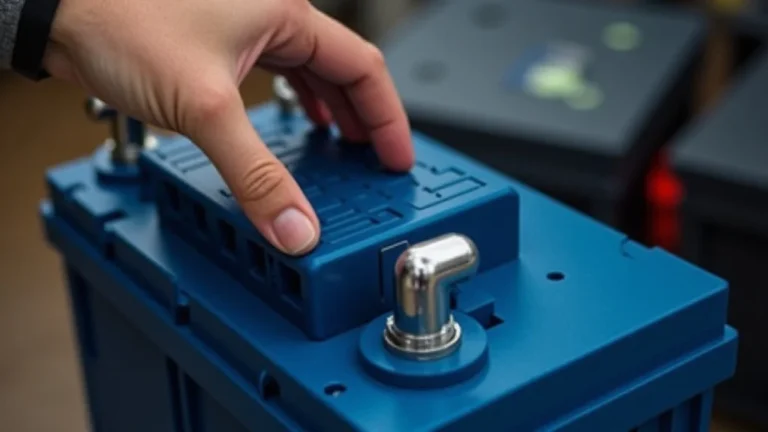
Can I Charge Car Battery Without Charger Yes You Can
Featured image for can i charge car battery without charger
Image source: thetarotroom.com
Yes, you absolutely can charge a car battery without a dedicated charger! While less conventional, methods like jump-starting from another vehicle, utilizing a solar panel, or even employing a power inverter are viable options. However, these alternatives require careful attention to safety and proper technique to prevent damage or injury, making it crucial to understand each method’s specific requirements.
Imagine this: you’re just about to head out, maybe for an important appointment or a fun weekend trip. You hop into your car, turn the key, and… nothing. Just that dreaded click or absolute silence. Your car battery is dead. Frustration sets in, especially if you don’t have a traditional car battery charger handy. We’ve all been there, asking, “Can I charge car battery without charger?”
It’s a common question, and I’m here to tell you the answer is a resounding YES! Having a dedicated charger is easy, but life isn’t always convenient. Sometimes you’re far from home, or your charger is missing. The good news is, you have several clever ways to bring your car battery back to life. You can definitely charge car battery without charger, even without a standard one in sight.
In this guide, we’ll explore these alternative methods step-by-step. Think of me as your helpful friend. I’ll walk you through how to charge car battery without charger, safely and efficiently. We’ll cover everything from simple jumper cables to modern solutions. This will empower you to tackle a dead battery like a pro.
Key Takeaways
- Yes, it’s possible: Jump-starting can provide a temporary charge.
- Use another vehicle: Connect to a running car for slow, careful charging.
- Prioritize safety: Always wear PPE and ensure excellent ventilation.
- Match voltages: Only connect 12V batteries to 12V systems.
- Connect correctly: Positive to positive, negative to an engine ground.
- Monitor constantly: Prevent overcharging or accidental short circuits.
- Dedicated charger is best: For safety and battery longevity, use a charger.
📑 Table of Contents
Understanding Your Car Battery’s Needs
Before we learn how, let’s briefly understand car batteries. A 12-volt lead-acid battery provides power to start your engine. Once running, the alternator recharges the battery and powers the car’s electronics. When the battery isn’t recharged enough, or if it’s old, it loses its charge.
Why Batteries Die (and why you might need to charge car battery without charger)
- Left Lights On: The classic mistake! Leaving lights on drains the battery.
- Cold Weather: Extreme cold reduces battery capacity.
- Lack of Use: Cars that sit idle lose charge over time.
- Faulty Alternator: A bad alternator won’t recharge the battery as you drive.
- Old Age: Car batteries typically last 3-5 years. They hold less charge with age.
Safety First: Essential Precautions
Working with car batteries involves electricity and corrosive acid. Safety is crucial. Always follow these steps:
- Wear Protective Gear: Use gloves and eye protection (safety glasses). Battery acid is corrosive.
- Work in a Well-Ventilated Area: Batteries can release flammable hydrogen gas. Avoid sparks, flames, or smoking nearby.
- Check Polarity: Always connect positive to positive and negative to negative. Reversing polarity damages your car’s electrical system and can cause explosions.
- Ensure Vehicles Are Off: If using another car, turn off both vehicles before connecting cables.
- Avoid Metal Contact: Don’t let tools or metal objects touch both battery terminals at once. This causes a dangerous short circuit.
The Jumper Cable Method: Your Go-To Lifeline
This is the most common way to revive a dead battery. It’s a temporary fix, using a charged battery from another vehicle. It gives your dead battery enough power to start the engine. While not a full charge, it effectively helps you charge car battery without charger in an emergency.
How Jumper Cables Work
Jumper cables connect a “donor” battery to your “recipient” dead battery. Current flows from the good battery. This provides the voltage needed to crank your starter motor. Once your engine starts, your car’s alternator will begin recharging your battery.
Step-by-Step Guide to Jump Starting
- Park Donor Car Close: Position the donor car near your car, but don’t let them touch. Both engines off, parking brakes engaged.
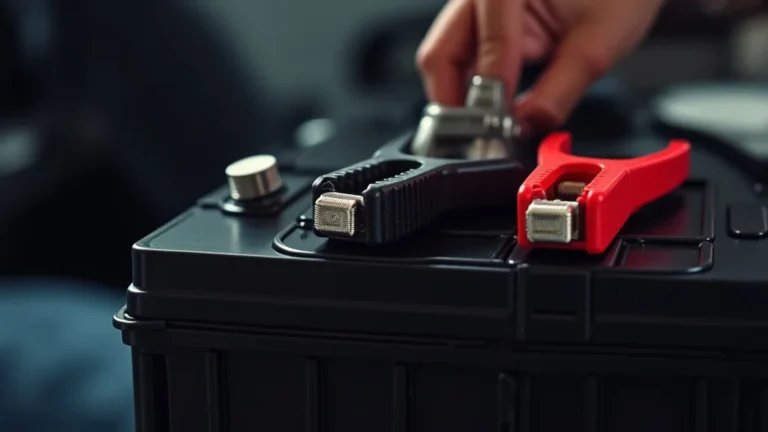
- Identify Terminals: Find the positive (+) and negative (-) terminals on both batteries. Red for positive, black for negative.
- Connect Red Cables:
- Attach one red clamp to the positive (+) terminal of the dead battery.
- Attach the other red clamp to the positive (+) terminal of the donor battery.
- Connect Black Cables:
- Attach one black clamp to the negative (-) terminal of the donor battery.
- Attach the other black clamp to an unpainted metal part on the engine block or chassis of the dead car. Keep it away from the battery and moving parts.
- Start Donor Car: Start the donor car. Let it run for 5-10 minutes to transfer some charge.
- Start Dead Car: Try to start your car. If it starts, let it run for a few minutes before disconnecting.
- Disconnect Cables (in reverse order):
- Remove the black clamp from your car’s chassis.
- Remove the black clamp from the donor battery’s negative terminal.
- Remove the red clamp from the donor battery’s positive terminal.
- Remove the red clamp from your car’s positive terminal.
Important Considerations for Jump Starting
Jump starting is a quick boost, not a full charge. You need to drive your car for at least 30 minutes (or longer) for the alternator to fully recharge the battery. If your battery keeps dying, it might need replacement or a check of your charging system. This method is excellent to charge car battery without charger when you’re stranded.
Using Another 12V Battery Source (DIY Trickle Charge)
What if you lack a running car for a jump, but have another 12V battery? For instance, a deep cycle marine battery or another car battery not currently in a vehicle. You can use this “donor” battery for a slow, trickle charge. This method helps you to charge car battery without charger, albeit at a slower rate.
How a DIY Trickle Charge Works
Connect two 12V batteries in parallel (positive to positive, negative to negative). Charge flows from the stronger battery to the weaker one. This slowly equalizes voltage. It’s a gentle way to transfer charge, like a slow trickle charger.
Step-by-Step Guide for DIY Trickle Charging
- Gather Your Supplies: You’ll need jumper cables or sturdy battery cables and a fully charged 12V donor battery.
- Position Batteries Safely: Place the donor battery near your car’s dead battery. Ensure they are stable and don’t touch.
- Connect Positive Terminals: Attach one red clamp to the positive (+) terminal of your dead car battery. Connect the other end of that red cable to the positive (+) terminal of the donor battery.
- Connect Negative Terminals: Attach one black clamp to the negative (-) terminal of your dead car battery. Connect the other end of that black cable to the negative (-) terminal of the donor battery.
- Wait for the Charge: Keep them connected for 15-30 minutes, or 1-2 hours for a very flat battery. This slow transfer helps to charge car battery without charger gradually.
- Attempt to Start: Disconnect cables (negative first, then positive). Try to start your car. If it starts, drive it to allow the alternator to fully charge it. If not, try connecting longer or consider another method.
Important Tips for This Method
This method is slower than a jump start but less stressful on both batteries. It’s a good option if you have time and another charged 12V battery. Ensure your donor battery is in good health. This helps you effectively charge car battery without charger.
Solar Panels: Harnessing the Sun’s Power
For those seeking sustainable solutions or off-grid power, solar panels can maintain or recover a dead car battery. It’s generally a slower process but very convenient for long-term maintenance. You can certainly charge car battery without charger using the sun’s energy.
How Solar Charging Works
Solar panels convert sunlight into DC electricity. This power goes through a solar charge controller. The controller regulates voltage and current, preventing overcharging and protecting your battery. Then it feeds the charge to your car battery. While a charge controller is a “charger” component, a full solar setup offers an alternative to a traditional wall charger.
Choosing the Right Solar Setup
- Trickle Chargers (1.5W-10W): Small, affordable panels for maintaining charge. Ideal for parked cars; they prevent discharge but won’t quickly revive a dead battery.
- Medium Panels (20W-100W): Provide a more substantial charge. They can slowly bring a dead battery back to life over several hours or a day, depending on sunlight.
- Charge Controller: Always use one! It protects your battery from damaging overcharge. Many smaller trickle chargers include built-in controllers.
Best Practices for Solar Charging
To charge car battery without charger using solar power:
- Placement is Key: Position the solar panel directly in strong sunlight, avoiding shadows.
- Secure Connections: Use alligator clips or permanent ring terminals to connect the charge controller to your battery (positive to positive, negative to negative).
- Monitor Progress: With larger panels, periodically check your battery’s voltage to prevent overcharging (a good controller should prevent this).
- Long-Term Maintenance: Solar panels are excellent for keeping infrequently used vehicles, RVs, or boats charged and ready.
Portable Power Stations: The Modern Solution
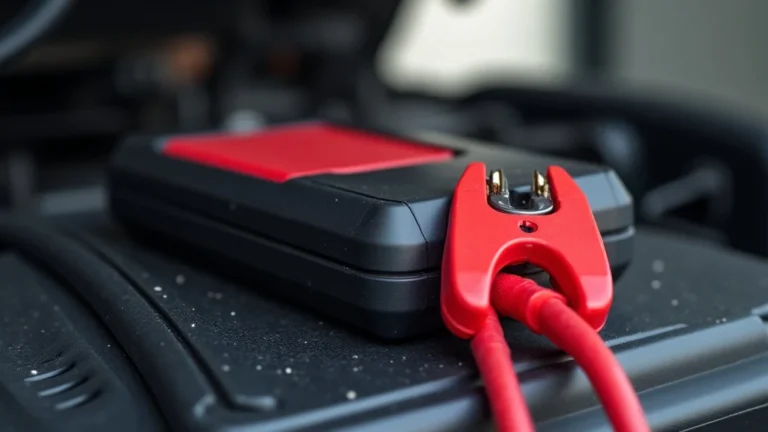
Portable power stations are very popular, and for good reason. These versatile devices are large, rechargeable batteries with multiple output ports (AC, USB, 12V). Many have built-in jump-starting features. They are perhaps the most convenient way to charge car battery without charger in the traditional sense.
What are Portable Power Stations?
Think of them as super-sized power banks for your car and other devices. They come in various capacities and often include safety features like reverse polarity protection, making them very user-friendly for battery emergencies.
Connecting to Your Car Battery
Most portable power stations for automotive use come with dedicated jumper cables or 12V charging cables. The process is simple:
- Turn Off Car: Ensure your car is completely off.
- Connect to Power Station: Plug the jumper cable adapter into the power station’s port.
- Connect to Car Battery: Attach the red (positive) clamp to your car battery’s positive (+) terminal. Attach the black (negative) clamp to your car battery’s negative (-) terminal (or a ground point on the chassis if jump starting).
- Initiate Charge/Jump: Follow your power station’s instructions. Some charge automatically; others require a “boost” or “jump start” button.
- Start Car: After a few minutes of charging, or immediately if jump starting, try to start your car.
- Disconnect: Once the car starts, disconnect cables in reverse order (negative first, then positive).
Advantages and Limitations
- Pros: Extremely convenient, compact, versatile (multiple uses), built-in safety, and provides a quick jump or slower charge. A fantastic solution when you need to charge car battery without charger quickly.
- Cons: Higher initial cost than simple jumper cables. They must be kept charged themselves to be ready.
What NOT to Do: Common Mistakes to Avoid
While exploring alternative ways to charge car battery without charger, it’s vital to know what practices to avoid. These mistakes can be dangerous to you, your car, and the battery.
Don’t Overcharge (Even When Trying to Charge Car Battery Without Charger)
Leaving a battery connected too long, even to a DIY source, can damage it, especially without a regulator. Overcharging can cause overheating, electrolyte boiling, and reduce battery lifespan. Monitor your charge and disconnect once the car starts or the battery shows life.
Avoid Short Circuits
Never let the positive and negative terminals of a battery touch. Do not let tools bridge them. This creates a short circuit, causing sparks, extreme heat, and possibly an explosion. Always be careful with connections.
Never Use Household Batteries (AA, AAA, D, etc.)
This may seem obvious, but it’s important: household batteries are completely unsuitable for charging a car battery. They have much lower voltage and current. They cannot charge a 12V car battery. Attempting to do so could lead to leaks, overheating, or explosions of the smaller batteries, with no benefit to your car battery.
Don’t Ignore Safety Precautions
As mentioned, safety glasses, gloves, and a well-ventilated area are non-negotiable. Car battery chemicals and gases are hazardous. Do not take shortcuts with your safety.
Conclusion
So, can you charge car battery without charger? Absolutely! From trusty jumper cables to innovative portable power stations and sustainable solar solutions, you have several reliable methods. Knowing these techniques turns a frustrating breakdown into a manageable inconvenience. You’ll handle unexpected battery issues with confidence.
Remember, these methods are often temporary solutions. If your battery frequently dies, have it tested by a professional. Ensure it’s healthy or check your car’s charging system (alternator). Always prioritize safety, understand the process, and you’ll be well-equipped to tackle a dead car battery, even when a traditional charger is nowhere to be found.
Stay safe on the road, and happy driving!
Frequently Asked Questions
Is it truly possible to charge a car battery without a dedicated car battery charger?
Yes, it is indeed possible to charge a car battery without a conventional charger, although these methods are typically for emergency or temporary situations. While not as efficient or controlled as a dedicated charger, several alternative approaches can provide enough power to get your car running.
Can I use another car to charge my car battery without a charger?
Absolutely, jump-starting from another vehicle is one of the most common ways to charge a car battery without a dedicated unit. This method transfers power from a working battery to your dead one, providing enough juice to start your engine. Remember to let your car run for a while afterward to allow the alternator to continue charging.
Are there any safety precautions I should take when trying to charge a car battery without a charger?
Yes, safety is paramount when attempting to charge a car battery without a proper charger. Always ensure good ventilation, wear protective gloves and eye gear, and avoid touching battery terminals with bare hands or metal objects. Be cautious of sparks and ensure proper polarity when connecting cables to prevent damage or injury.
What alternative tools or methods can I use to charge a car battery without a traditional charger?
Beyond jump-starting, some people might consider using a small solar panel charger or a power inverter connected to another DC power source. However, these methods are often slower and less efficient than a direct jump start, and it’s crucial to understand the voltage and amperage requirements to avoid damaging your battery.
How long does it take to charge a car battery using these alternative “charge car battery without charger” methods?
The charging time varies significantly depending on the method used and how deeply discharged your battery is. A jump start provides instant power to crank the engine, but the battery itself will then need to charge fully via the car’s alternator for at least 20-30 minutes of driving. Slower methods like small solar chargers could take many hours or even days to provide a substantial charge.
Are there any risks or downsides to attempting to charge car battery without charger?
Yes, there are potential risks associated with charging a car battery without a proper charger, including the possibility of overcharging, undercharging, or even damaging the battery if not done correctly. Improper connections can lead to electrical shorts, sparks, or even battery explosion. These alternative methods should primarily be used for emergencies rather than regular maintenance.