Jump Starter Dead Battery Error Explained for Beginners
Getting a car started with a jump starter dead battery error can seem tricky, especially if you’re new to car maintenance. It can feel a bit frustrating when your jump starter doesn’t work as expected. Don’t worry, many people face this. This guide will help you understand the common issues and how to solve them, step-by-step. Let’s get right into figuring out what’s causing your jump starter problems!
Common Causes of Jump Starter Malfunctions
When a jump starter doesn’t work, several things can go wrong. These can range from a dead jump starter to incorrect connections. Many people assume their jump starter is broken, but often, the problem is something simple that can be easily fixed. Taking the time to explore each possibility will help you get back on the road. We’ll start with the most common issues and how to check for them.
Battery Charge Issues
One of the first things to check is the jump starter’s battery itself. If the jump starter’s battery is low, it won’t be able to provide enough power to start your car. Always make sure to charge your jump starter regularly, following the manufacturer’s guidelines. A fully charged jump starter gives you the best chance of starting your vehicle. Some jump starters also display their charge level with lights or a screen, making it easier to see when it needs to be charged.
- Low Battery Charge: Many jump starters have an indicator. If the lights are low or the display shows a low percentage, charge it. Make sure the jump starter has been charging for the suggested time and that the charger is functioning correctly. A jump starter can’t work if it’s dead itself.
- Improper Charging Method: Using the wrong charger or charging method can damage the jump starter’s battery or prevent it from charging fully. Always use the charger that came with the jump starter or one recommended by the manufacturer. Check that the charger is plugged into a working outlet.
- Battery Degradation: Over time, the jump starter’s battery may lose its ability to hold a charge, especially if it’s not stored or used correctly. Look at the manufacturing dates to check the age of your equipment. Consider replacing the jump starter if it no longer holds a charge.
- Storage Problems: Keep the jump starter in a cool, dry place away from extreme temperatures. Excessive heat or cold can affect the battery’s performance and lifespan. Avoid leaving the jump starter in your car, especially in areas with very hot or cold weather.
It’s important to charge your jump starter regularly, whether you use it or not. The self-discharge rate of a jump starter can vary, but most will lose some charge over time. Following these simple steps will make sure your jump starter is ready when you need it.
Incorrect Connections
Incorrect connections are a very common cause of jump starter dead battery error issues. Even if the jump starter has plenty of power, improper connections prevent the current from flowing to your car’s battery. Double-checking each connection is a must. Carefully review the instructions that came with your jump starter. Make sure you know which clamp goes where before attaching anything.
- Wrong Polarity: Connecting the positive (+) clamp to the negative (-) terminal, and vice-versa, can cause damage to both the jump starter and your car. This can cause a short circuit that can potentially damage your car’s electrical system and the jump starter. Always double-check that you’re connecting the correct clamps to the correct terminals.
- Loose Connections: Ensure the clamps are firmly attached to the battery terminals. If the clamps are loose, the jump starter won’t be able to deliver enough power to the car. Tighten the clamps until they are secure. Clean terminals will help achieve a strong connection.
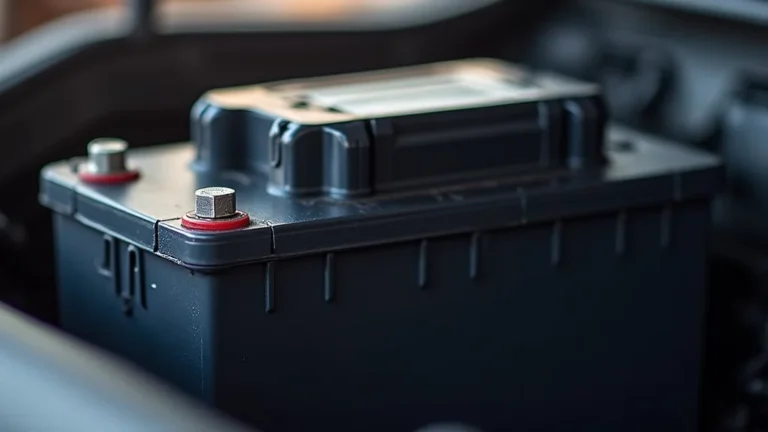
- Corroded Terminals: Corrosion on the battery terminals can prevent a good electrical connection. Use a wire brush or a battery terminal cleaner to remove corrosion before connecting the jump starter. This ensures the best possible power transfer from the jump starter to the car battery.
- Clamp Placement: Make sure the clamps have a solid grip on the battery terminals and are not touching any other parts of the car. Avoid placing the clamps on any metal parts other than the terminals. Position the clamps carefully.
Following these steps will ensure a safe and effective jump start. Incorrect connections can not only prevent your car from starting but also cause damage. Before starting, carefully inspect and make all connections, paying careful attention to polarity and clamp security.
Internal Faults and Damage
Sometimes, the problem isn’t the battery or connections. Internal faults within the jump starter itself can cause issues. Damage to internal components can happen due to many factors. These faults can prevent the jump starter from delivering power, or they can cause safety issues. Getting an idea of what goes wrong inside is good.
- Component Failure: Jump starters have several internal components, like circuit boards and capacitors. These parts can fail, especially after prolonged use or exposure to extreme conditions. If the jump starter is dropped or damaged, it can cause problems.
- Short Circuits: Internal short circuits can prevent the jump starter from working and could pose a safety risk. This can happen if internal wiring gets damaged or if there’s a problem within the battery itself.
- Overload Protection Issues: Most jump starters have overload protection to prevent damage. This system can fail, and it might stop the jump starter from working correctly. This feature is meant to prevent problems if the jump starter is connected incorrectly.
- Physical Damage: Dropping or damaging the jump starter can lead to several internal problems. External damage might not always be obvious, but it can impact how the jump starter works. It’s always best to have a qualified professional check it.
If you suspect an internal issue, it’s best to consult the user manual or contact the manufacturer for help. Trying to fix these problems yourself can be dangerous and could cause more harm. Having a pro look at it keeps you safe.
Using a Jump Starter Safely and Effectively
When you’re ready to use your jump starter, it’s very important to follow the safety guidelines. Incorrect use can damage your equipment, and it can also pose safety risks. Take your time, and make sure you do things the right way. Make sure to read the instructions from the manufacturer.
Step-by-Step Guide
Here’s a simple guide to using your jump starter: Before you start, turn off the ignition. This prevents any surges that could damage your car’s electronics or the jump starter. The instructions on the jump starter will provide the best information. Here is a general step-by-step.
- Prepare the Jump Starter: Make sure your jump starter is fully charged. Place it near your car’s battery so the cables can reach. This way, you can easily connect the clamps.
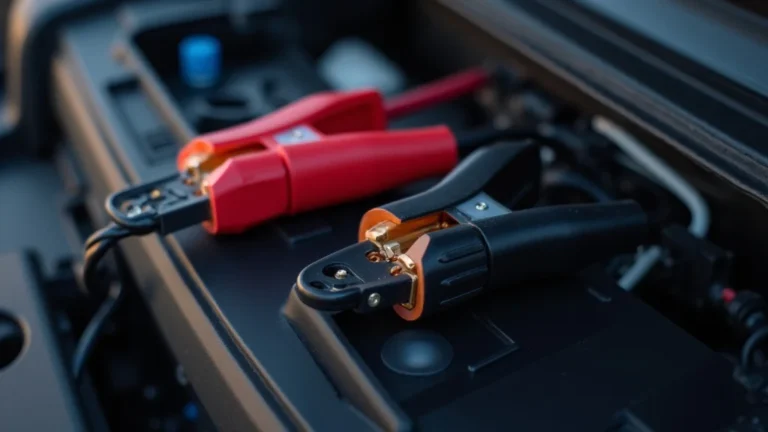
- Connect the Red Clamp: Attach the red (positive, +) clamp to the positive (+) terminal of your car’s battery. The positive terminal is usually marked with a plus sign (+) and is often red. Make sure the clamp is secure.
- Connect the Black Clamp: Attach the black (negative, -) clamp to a good ground location on your car’s engine block. Avoid connecting it to the negative (-) terminal of the dead battery. Connecting it to the engine block reduces the chance of sparks near the battery, which can produce flammable gases.
- Turn On the Jump Starter: Turn on the jump starter, if it has an on/off switch. If the jump starter has a display, check for any error messages or warnings. Verify that the connections are secure before moving to the next step.
- Try to Start the Car: Try to start your car. Crank the engine for no more than 5-10 seconds at a time. If the car does not start after a few attempts, there might be another problem, such as a starter issue.
- Disconnect the Jump Starter: Once the car has started, carefully remove the clamps in the reverse order of how they were connected: First, remove the black clamp from the engine block, then the red clamp from the car battery.
- Charge the Jump Starter: After use, recharge the jump starter. This ensures it’s ready for the next time you need it. Storing the jump starter correctly will extend its lifespan.
Following this simple process will help you use your jump starter correctly and minimize the risk of a jump starter dead battery error or other issues. Remember, safety always comes first!
Safety Precautions
When using a jump starter, it’s very important to follow safety precautions to reduce the risk of accidents and damage. Battery acid is corrosive. Batteries can release explosive gases. Always wear safety glasses. Jump starting a car can be hazardous, so keep these important precautions in mind.
- Wear Safety Glasses: Protect your eyes from battery acid or any debris. Safety glasses will keep your eyes safe.
- Avoid Sparks: Try to keep sparks away from the battery. These gases can ignite and cause an explosion. Be careful when making or breaking connections.
- Proper Ventilation: Perform jump starting in a well-ventilated area. This helps to disperse any gases that the battery might release. Avoid jump-starting in enclosed spaces.
- Check for Damage: If you see any signs of damage on the battery, like cracks or leaks, do not try to jump-start the car. Get the battery checked by a professional.
- Follow Instructions: Always follow the jump starter’s instructions and the car manufacturer’s guidelines. These instructions are there for your protection.
Taking these precautions will make sure that the jump-starting process is safe and reduce the chance of any issues. Being safe is always the best way to do things.
Troubleshooting Common Jump Starter Problems
Even if you’ve followed the steps, you might still encounter problems. This section will guide you through fixing some jump starter dead battery error problems that you may encounter. Don’t worry, many problems have easy solutions. Many common errors have easy solutions.
Jump Starter Won’t Turn On
If your jump starter won’t turn on, the first thing to check is the power source. This is a very common issue. The problem can stem from a discharged battery, but sometimes it can be something else. Looking at these tips can help get your jump starter working again.
- Check the Power Button: Make sure the power button is fully engaged. Sometimes, the button can get stuck or might not be pressed properly. It seems simple, but it is often the issue.
- Check the Battery: If the jump starter doesn’t turn on, it may have a depleted battery. Many jump starters have lights or displays that indicate the charge level. Charge the jump starter if the battery is low.
- Inspect the Charger: Make sure the charger is working properly. Verify that the charger is plugged into a functional outlet and that the charging cable is securely connected to the jump starter. Try a different outlet or charger.
- Internal Faults: If the jump starter still won’t turn on after checking the battery and charger, there might be an internal fault. Review the user manual for troubleshooting instructions, or consider taking it to a professional.
Troubleshooting these issues can help identify and resolve the problem. By checking these points, you may be able to get your jump starter working again. Taking these steps is always a good place to start.
Car Won’t Start After Jump
If your car won’t start even after connecting the jump starter, the jump starter might not be the only problem. Sometimes the car has an issue besides a dead battery. Many things can prevent your car from starting, and it might not have anything to do with your jump starter. Checking these things can save you time and frustration.
- Check Connections: Make sure the jump starter clamps are properly connected to the correct battery terminals. Make sure the clamps have a strong grip and are securely connected.
- Try Again: Try jump-starting the car a few more times, waiting a few minutes between attempts. Give the jump starter a chance to give your car’s battery a charge. Do not crank the engine for more than 5-10 seconds.
- Check for Other Issues: A dead battery isn’t always the problem. Other issues like a faulty starter or fuel system problems might be preventing the car from starting. Consider other potential problems.
- Get Professional Help: If you’ve tried everything and the car still won’t start, it’s best to consult a professional mechanic. The problem might need a more involved fix that requires expert knowledge.
These actions can help you determine the reason your car won’t start after using the jump starter. Addressing any problems or getting professional help will help get you back on the road. Always prioritize safety, and get help if needed.
Advanced Tips and Tricks
Once you’ve mastered the basics, there are some extra tricks that can help. These tips are good for special situations or for making sure you get the most out of your jump starter. These tips provide more information and ways to make sure that the jump-starting process goes well.
Maintaining Your Jump Starter
Taking care of your jump starter is very important. Proper maintenance extends the jump starter’s life and makes sure it’s ready when you need it. By taking a few steps, you can keep your jump starter in good shape. These are some tips for keeping your jump starter in top condition.
- Regular Charging: Charge your jump starter regularly, whether or not you’ve used it. This helps keep the battery at its peak performance.
- Clean Terminals: Wipe the terminals on the jump starter and the battery periodically to remove any dirt or corrosion. This will help make sure you have a strong connection.
- Proper Storage: Store the jump starter in a cool, dry place. Avoid extreme temperatures.
- Check the Cables: Inspect the cables and clamps for any damage. Replace any damaged parts.
These maintenance tips will help you keep your jump starter in the best condition. Proper care guarantees it is ready to give you the service you need.
Alternative Jump Starting Methods
If your jump starter isn’t working, or you don’t have one, there are other methods you can use to start your car. These methods might be helpful in a situation where the jump starter has a jump starter dead battery error or isn’t working for some other reason. However, these methods require caution and knowledge.
- Using Jumper Cables: You can use jumper cables to jump-start your car from another vehicle. Connect the cables, making sure to connect the positive (+) terminals and the negative (-) terminals correctly. Be very careful with the connections, and make sure that the cars are not touching each other.
- Push Starting (Manual Transmission): If you have a manual transmission, you might be able to push-start your car. Have someone push the car to gain speed. Once you reach a certain speed, put the car in second gear and release the clutch.
- Using a Battery Charger: A battery charger can also be used to charge your car battery. Connect the charger to the battery terminals and set the charger to the proper setting. Follow the charger’s instructions.
Remember that safety is important when trying these methods. If you are not familiar with these methods, ask a qualified person for help. Always keep safety in mind!
Frequently Asked Questions
Question: What do I do if my jump starter won’t charge?
Answer: Check the charger, the outlet, and the charging cable. Make sure everything is connected correctly. If it still won’t charge, the battery or charger might need to be replaced.
Question: Can I jump-start a car with a dead battery with any jump starter?
Answer: Make sure the jump starter has enough power for your car’s engine size. Follow the instructions to avoid damaging your equipment.
Question: Is it safe to leave the jump starter connected for a long time?
Answer: No, it’s not a good idea. Only connect the jump starter for the time needed to start the car. Disconnect it as soon as the car starts.
Question: What if the car still won’t start after using the jump starter?
Answer: There might be a problem with the car, not the jump starter. Issues like a bad starter, fuel system problem, or other problems can cause this. Consult a mechanic.
Question: What should I do if the jump starter sparks when I connect it?
Answer: Immediately disconnect the jump starter and recheck the connections. Make sure you have the positive and negative clamps connected to the correct terminals. If it still sparks, stop and have a professional inspect the battery and jump starter.
Final Thoughts
Dealing with a jump starter dead battery error can feel annoying. Luckily, understanding the common causes of these problems is very helpful. By checking the battery charge, making sure the connections are correct, and checking for any internal issues, you can often solve the problem. Regular maintenance and careful use will keep your jump starter working for you. If something goes wrong, remember to carefully review your equipment. With a little bit of knowledge and some basic troubleshooting, you can keep your jump starter ready to go whenever you need it. By following the tips, you will be prepared for a dead battery. Stay safe, and you will be ready!