Can a dead battery be recharged Find out the truth now
Featured image for can a dead battery be recharged
Image source: images.pexels.com
The truth is, yes, most “dead” batteries can absolutely be recharged, but with important caveats depending on the battery type and the cause of its demise. While deeply discharged rechargeable batteries often respond well to proper charging, irreversible damage or the inherent non-rechargeable nature of certain chemistries (like alkaline) means some are truly beyond saving. Always assess the battery’s condition and use appropriate, safe charging methods to determine if revival is possible, or if replacement is the only option.
Ever had that gut-wrenching moment? You hop into your car, turn the key, and… nothing. Or maybe you grab your phone, only to find it completely unresponsive, despite being at 0% for what feels like ages. It’s a common, frustrating experience that often leads to one immediate, hopeful question: “Can a dead battery be recharged?”
We’ve all been there, staring at a lifeless device or vehicle, wondering if it’s truly the end of the road for its power source or if there’s a glimmer of hope for revival. The good news is, the answer isn’t a simple yes or no. It’s a nuanced one, depending heavily on the type of battery, why it “died,” and how truly “dead” it actually is. Let’s dive into the truth about bringing a dead battery back to life.
This isn’t just about saving a few bucks on a new battery; it’s about understanding the technology that powers our lives and making informed decisions. So, grab a coffee, and let’s unravel the mystery of recharged batteries together.
Key Takeaways
- Deeply discharged batteries can often be revived.
- Use a smart charger designed for very low voltage.
- Always check battery voltage before attempting revival.
- Beware of sulfation; it hinders successful recharging.
- Safety is paramount; wear protection and ventilate properly.
- Some batteries are truly dead; know when to replace.
📑 Table of Contents
Understanding What “Dead” Really Means for a Battery
Before we even talk about bringing a battery back, it’s crucial to understand what “dead” actually signifies. It’s not always a final, irreversible state. Think of it less like a person’s death and more like someone in a coma – sometimes recoverable, sometimes not.
Not All Dead Batteries Are Created Equal
- Deep Discharge (Low Voltage): This is perhaps the most common reason a battery appears dead. It means the battery’s voltage has dropped below a safe operating threshold. For lead-acid batteries (like in cars), this can lead to sulfation, where lead sulfate crystals build up on the plates, hindering its ability to accept a charge. For lithium-ion batteries, a deep discharge can trigger internal protection circuits, making them seem completely unresponsive.
- Sulfation: Specifically a problem for lead-acid batteries, sulfation occurs when a battery is left discharged for too long. The lead sulfate crystals become hard and block the chemical reaction needed to produce electricity, making it difficult for the battery to be recharged effectively.
- Dendrite Formation: In lithium-ion batteries, deep discharge or improper charging can sometimes lead to dendrite formation – tiny, tree-like structures of lithium that grow inside the battery. These can puncture the separator, causing short circuits and potentially dangerous overheating.
- Physical Damage: A swollen, cracked, or leaking battery is truly dead and often dangerous. This damage can disrupt the internal chemistry or lead to catastrophic failure.
The Difference Between Depleted and Damaged
A battery that is merely depleted (very low voltage) has a far better chance of being recharged than one that is internally damaged. Depletion means the energy is gone, but the structure is largely intact. Damage, on the other hand, means the internal components essential for storing and releasing energy are compromised, making safe recharging nearly impossible or highly risky.
Types of Batteries and Their Rechargeability Prospects
The possibility of recharging a “dead” battery heavily depends on its chemistry. Different battery types react differently to deep discharge.
Lead-Acid Batteries (Car Batteries)
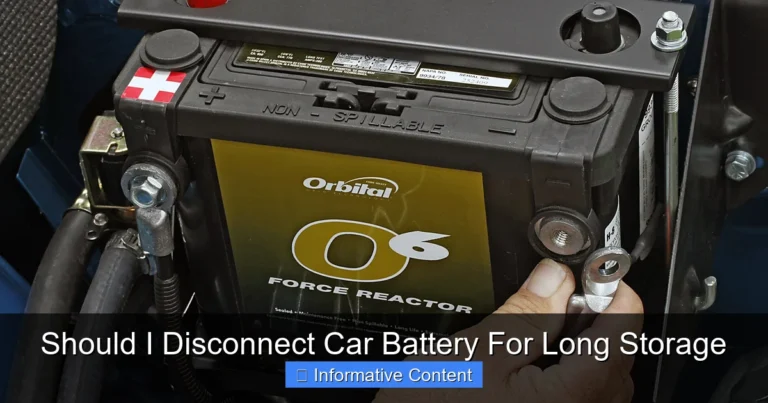
These are the workhorses of the automotive world. If your car battery is dead because you left your lights on, there’s a good chance it can be recharged. However, if it has been deeply discharged for an extended period, sulfation becomes a major concern. Some smart chargers have a “desulfation” mode designed to break down these crystals, offering a fighting chance. Jump-starting can get your car running, but it doesn’t fully recharge the battery; a proper charge cycle is still needed.
Lithium-Ion Batteries (Phones, Laptops, EVs)
Lithium-ion batteries are common in modern electronics. They have sophisticated internal protection circuits that shut down the battery when its voltage drops too low (often called “bricking”). This is a safety feature to prevent damage and potential hazards. If a Li-ion battery is in this “brick” state, some specialized smart chargers can provide a low-current “wake-up” charge to nudge its voltage back into a safe range, allowing it to be recharged normally. However, this is a delicate process, and attempting it with a standard charger can be risky. Never attempt to recharge a physically damaged lithium-ion battery.
NiMH and NiCd Batteries
Nickel-Metal Hydride (NiMH) and Nickel-Cadmium (NiCd) batteries are often found in rechargeable household items. While they can suffer from the “memory effect,” which reduces their capacity over time, they are generally quite robust and can be reliably recharged even after deep discharges. Proper cycling (fully discharging and then fully recharging) can often help restore their capacity.
Common Reasons a Battery “Dies”
Understanding why your battery became dead is the first step in deciding if it can be recharged.
Leaving Lights On (Parasitic Drain)
This is probably the most common scenario for a dead battery in a car. An accessory, like headlights or an interior light, drains the battery slowly overnight, leading to a deep discharge. In most cases, such a battery can be successfully recharged with a standard car battery charger.
Old Age and Wear and Tear
All batteries have a limited lifespan. Over time, their internal components degrade, and their ability to hold a charge diminishes. Even if you can technically recharge an old battery, its capacity might be severely reduced, meaning it won’t hold a charge for long. At some point, the internal resistance becomes too high, and the battery simply won’t accept a charge anymore.
Extreme Temperatures
Both extremely hot and extremely cold temperatures can significantly impact battery performance and lifespan. Cold reduces efficiency, making it harder to start a car. Heat accelerates degradation. Leaving a battery in extreme conditions can hasten its demise, potentially making it harder to be recharged later.
Manufacturing Defects or Physical Damage
Occasionally, a battery might have an internal defect from manufacturing. More commonly, physical damage from an accident, dropping a device, or incorrect installation can short-circuit the battery or break internal connections, rendering it truly dead and irreparable.
Can You Revive a “Dead” Battery? (Methods & Limitations)
So, the moment of truth. What are the actual steps you can take?
For Lead-Acid Batteries
- Smart Chargers with Desulfation Mode: These are your best bet. Connect the charger, select the appropriate mode, and let it do its work. It will slowly and carefully attempt to break down sulfation and bring the voltage back up.
- Trickle Chargers: For a less severely discharged battery, a trickle charger can slowly bring it back to full charge. They are safer for long-term maintenance but slower for revival.
- Jump-Starting: While effective for getting your car running, remember this is only a temporary measure. Your alternator is designed to maintain a charge, not fully recharge a dead battery. Drive for at least 30 minutes, or better yet, put it on a proper charger when you get home.
For Lithium-Ion Batteries (Caution!)
Attempting to recharge a dead battery of the lithium-ion type requires extreme caution. If a device with a Li-ion battery appears completely dead, it might be in a deep discharge state, and its protection circuit has activated. Some high-quality smart chargers have a “low voltage activation” or “wake-up” feature. This provides a very low current to slowly bring the battery’s voltage above the safety threshold, allowing it to then be recharged normally. Do NOT try to “jump start” a lithium-ion battery or use a charger not specifically designed for low-voltage lithium-ion recovery, as this can be extremely dangerous, leading to overheating, fire, or explosion.
What NOT to Do (Safety First!)
- Do NOT overcharge any battery: This can damage it and pose a safety risk. Modern smart chargers usually prevent this.
- Do NOT attempt to recharge physically damaged batteries: Swollen, leaking, or cracked batteries are hazardous.
- Do NOT use incorrect chargers: Always match the charger type to the battery chemistry and voltage.
- Do NOT bypass safety features: Especially with lithium-ion batteries, their protection circuits are there for a reason. Tampering with them is extremely dangerous.
When is a Battery Truly Beyond Hope?
While optimism is great, there comes a point when a battery is simply irreparable. Knowing when to call it quits is important for safety and efficiency.
Signs of Irreversible Damage
- Swelling or Bulging: This is a critical sign, especially for lithium-ion batteries. It indicates internal gas buildup and an extremely dangerous condition. Immediately discontinue use and dispose of it safely.
- Leaking: Any signs of fluid leaking from the battery mean its casing or internal seals are compromised. This battery is dead and dangerous.
- Cracked Casing: Physical breaches of the battery housing expose its internal components to air and moisture, leading to rapid degradation and potential hazards.
- Holds No Charge After Multiple Attempts: If you’ve tried appropriate charging methods several times and the battery still won’t hold a charge (or drains almost instantly), its internal chemistry or structure is likely too degraded. It cannot be reliably recharged.
- Overheating During Charging: A battery that becomes excessively hot while charging is a major warning sign. Disconnect it immediately.
The Cost-Benefit Analysis
Sometimes, even if a battery can technically be recharged, the effort, time, and potential safety risks might outweigh the cost of a new one. For an old, degraded car battery that barely holds a charge after revival attempts, replacing it is often the safer and more practical choice. The same goes for an aging phone battery that only lasts a few hours; a new battery will provide a much better experience and reliability.
Conclusion
So, can a dead battery be recharged? The truth is, often yes, but with significant caveats. It depends on the battery type, the cause of its “death,” and its overall condition. For many deeply discharged lead-acid or even some lithium-ion batteries, a careful, appropriate charging process can bring them back to life. However, safety should always be your top priority.
Always use the correct charger, heed warning signs like swelling or overheating, and understand that some batteries are simply beyond repair. Don’t be afraid to invest in a new battery when necessary, and remember to always dispose of old batteries responsibly. Knowing these truths empowers you to make smarter decisions about the power sources that keep your world running.
Frequently Asked Questions
Can a dead battery truly be recharged, or is it always beyond hope?
Yes, in many cases, a seemingly dead battery can be successfully recharged. The term “dead” often means it has discharged to a very low voltage, but not necessarily that its internal chemistry is permanently damaged, allowing for revival.
What does it mean for a battery to be “dead” and still potentially rechargeable?
A “dead” battery typically means it has discharged below its normal operating voltage, often to a point where it can no longer power a device or start an engine. If this state is due to simple discharge and not permanent internal damage (like a short circuit or severe sulfation), it can often be revived by a charger.
What equipment do I need to recharge a dead battery safely?
To safely recharge a dead battery, you’ll generally need a compatible battery charger that can handle deeply discharged batteries. For car batteries, a smart charger with a desulfation or repair mode is ideal, along with safety gear like gloves and eye protection.
How long does it typically take to recharge a dead battery?
The time it takes to recharge a dead battery varies greatly depending on its size, the charger’s amperage, and how deeply discharged it is. It can range from a few hours for smaller batteries or trickle charging to overnight (8-12 hours) or even longer for larger, deeply discharged car batteries.
Are there instances when a dead battery simply cannot be recharged?
Unfortunately, yes. A dead battery cannot be recharged if it has suffered permanent internal damage, such as a short circuit, cracked casing, or severe sulfation that has hardened and cannot be reversed by a standard charger. In such cases, the battery needs to be replaced.
Is it safe to attempt recharging a dead battery at home, or should a professional do it?
Recharging a dead battery at home can be safe if you use the correct equipment and follow proper safety precautions. Always ensure good ventilation, wear protective gear, and use a reliable smart charger to avoid overcharging or other hazards. If you are unsure or uncomfortable, consulting a professional is always a good idea.