Jump Starter Problems in the Cold: A Beginner’s Guide
Getting your car started on a frosty morning can be tricky, and the jump starter cold weather issue can make it even harder. If you’re new to using a jump starter, the cold can create some unexpected challenges. Don’t worry, it’s a common problem! This guide will break down the issues in simple steps, so you can easily get your car running. We’ll show you how to handle the cold and keep your jump starter ready to go. Let’s explore how!
What Causes Jump Starter Trouble in the Cold?
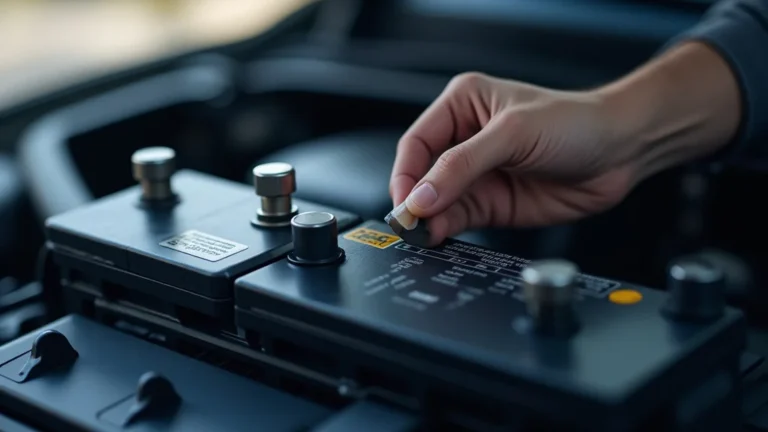
The cold significantly impacts jump starters and car batteries. Batteries rely on a chemical reaction to provide power, and lower temperatures slow down this process. This means a battery has less power available in cold conditions. Jump starters, which also use batteries, face similar challenges. The electrolytes inside the jump starter’s battery become thicker and less effective in the cold, reducing their ability to deliver power. This can lead to a jump starter failing to start a car, even if it worked fine in warmer weather. Exploring these core problems is key to resolving the jump starter cold weather issue.
Battery Chemistry’s Reaction to the Chill
Jump starters, like car batteries, typically use lead-acid or lithium-ion batteries. Lead-acid batteries contain sulfuric acid (electrolyte) and lead plates. Lithium-ion batteries have a lithium-based electrolyte. In cold conditions, the chemical reactions inside these batteries slow down. This slowdown happens because lower temperatures reduce the activity of the ions within the electrolyte. As the temperature drops, the electrolyte becomes less conductive, making it harder for the battery to release its stored energy. This is why a car that starts easily in summer might struggle in winter, and it’s also why jump starters may seem less effective when it’s freezing.
- Electrolyte Viscosity: The electrolyte (the liquid in the battery) becomes thicker (more viscous) in the cold. This makes it more difficult for ions to move freely, reducing the battery’s ability to provide power.
- Internal Resistance: Cold weather increases the internal resistance of a battery. Higher resistance means more energy is lost as heat, leaving less power available to start the car.
- Chemical Reaction Slowdown: The chemical reactions that produce electricity in the battery occur more slowly at lower temperatures. This directly reduces the battery’s voltage and current output.
These effects combine to make batteries less efficient in cold weather, potentially leading to a car not starting and a jump starter struggling to help. Batteries can lose up to 35% of their capacity at 32°F (0°C) and up to 60% at 0°F (-18°C). This can significantly hamper the effectiveness of a jump starter.
Material Properties in Freezing Temperatures
The materials that make up a jump starter also behave differently in cold weather. Wires and connectors can become brittle, and the plastic casings of the jump starter might contract. These changes can impact the jump starter’s performance. For example, brittle wires are more likely to break or crack, disrupting the flow of electricity, and contracted casings might not properly protect the internal components. These issues can amplify the problems caused by slower chemical reactions and reduced battery efficiency, compounding the jump starter cold weather issue.
- Wire Flexibility: Wires in a jump starter can stiffen in cold weather, making them less flexible and more prone to cracking if bent. This can interrupt the electrical connection.
- Connector Reliability: Connectors and terminals might contract, potentially loosening connections and increasing resistance. Higher resistance means less power gets to the car’s battery.
- Plastic Casing Resilience: The plastic casing that houses the jump starter can become brittle in extreme cold. This makes the jump starter more susceptible to damage from drops or impacts.
Consider the story of Sarah, whose jump starter failed on a -10°F morning. The wires had become brittle, and a slight bend caused one to break, leaving her stranded. Or think of Mark, who stored his jump starter in his unheated garage. The plastic casing cracked, exposing the internal battery to moisture and ultimately leading to failure. Both examples underscore the need to protect jump starters from harsh cold conditions.
Selecting the Right Jump Starter for Cold Climates
Choosing the right jump starter can drastically improve your chances of getting your car started when it’s cold. Not all jump starters are created equal, and some are better equipped to handle low temperatures than others. Understanding the features that are most suitable for cold weather can help you select a reliable jump starter. You must look for specific elements when purchasing a jump starter to effectively address the jump starter cold weather issue.
Key Features to Seek Out
Several features can enhance a jump starter’s performance in cold weather. These features are designed to mitigate the effects of low temperatures on the battery and the jump starter’s components. Considering these aspects when selecting a jump starter can significantly improve its effectiveness. Features like higher peak amperage, temperature-resistant components, and pre-heating functions play a huge role.
- High Peak Amperage: A jump starter with higher peak amperage can deliver more power to the car’s battery, which is especially important in the cold when batteries struggle to produce power. Higher amperage compensates for the battery’s reduced capacity.
- Temperature Range: Check the jump starter’s specified operating temperature range. Choose a jump starter designed to function in temperatures you will likely encounter. Look for models with a lower operating temperature threshold.
- Battery Chemistry: Lithium-ion jump starters are generally more efficient than lead-acid ones in cold weather. They maintain a higher percentage of their power capacity in low temperatures.
- Pre-Heating Function: Some jump starters have a pre-heating function that warms the internal components before you jump-start your car. This can improve the jump starter’s performance in the cold.
- Durable Casing: A robust casing helps protect the jump starter from physical damage, such as cracks, which can happen in cold conditions.
Consider two friends, David and Emily. David chose a jump starter with a high peak amperage and a wide temperature range, and it worked flawlessly on a frigid morning. Emily chose one with a lower amperage and a more limited temperature range, and it failed to start her car. David’s experience is a clear example of how the right features can make all the difference.
Comparing Jump Starter Types
Different jump starter types have varied performances in cold weather. Knowing the differences between them can help you make an informed decision when purchasing a jump starter. Lead-acid, lithium-ion, and capacitor-based jump starters each have their pros and cons. Examining how these types function and their attributes will help you address the jump starter cold weather issue.
| Jump Starter Type | Cold Weather Performance | Pros | Cons |
|---|---|---|---|
| Lead-Acid | Lower | Generally more affordable, well-established technology. | Susceptible to cold, heavy, shorter lifespan. |
| Lithium-ion | Higher | Lighter, more compact, better cold-weather performance. | More expensive, can be sensitive to overcharging/discharging. |
| Capacitor-Based | Moderate | Fast charging, performs well in extreme temperatures, long lifespan. | Requires a small amount of residual battery power, can be more expensive. |
The table shows the main differences. Lead-acid jump starters tend to struggle more in the cold because of the slower chemical reactions. Lithium-ion jump starters perform better, while capacitor-based models work well in extreme temperatures but need some battery power from the car. In a real-world study, lithium-ion jump starters were found to maintain about 80% of their power capacity at 0°C, while lead-acid models dropped to around 60%.
Using Your Jump Starter in the Cold
Using a jump starter in cold weather involves specific steps to optimize its performance. Proper preparation and technique can improve your success rate. From storing the jump starter correctly to connecting it safely, the right approach can make a difference. Preparing for cold weather is an important skill when handling the jump starter cold weather issue.
Prepping Your Jump Starter for Low Temperatures
Preparing your jump starter before you use it in the cold can increase its effectiveness. Taking a few simple steps can maximize its power and ensure it is ready when you need it. By taking these actions, you can improve the chance of successfully starting your car in cold conditions. Preparing your equipment is a crucial step.
- Storage Location: Store the jump starter in a location where the temperature stays above freezing. Avoid leaving it in your car overnight, especially in freezing weather.
- Warm-Up Time: If possible, bring the jump starter inside or to a warmer location before use. Let it warm up for a short period. This can help the battery’s chemical reactions become more active.
- Check Charge Level: Ensure the jump starter is fully charged before you head out. A fully charged jump starter offers the best chance of successful performance.
- Inspect Cables: Examine the cables and clamps for any signs of damage or corrosion. Damaged cables can affect the transfer of power, especially in the cold.
As a reminder, if your jump starter is stored in a cold garage and you need to use it, let it warm up indoors for at least 30 minutes before using it. A fully charged jump starter will give you the most power. Also, check the cables for cracks. These steps can significantly boost the chances of getting your car started.
Connecting and Starting Your Car in the Cold
Connecting your jump starter correctly and starting your car in cold conditions requires a systematic approach. The correct procedures improve safety and maximize the jump starter’s effectiveness. Following the steps below will improve the chances of success in the face of the jump starter cold weather issue.
- Safety First: Before connecting the jump starter, turn off your car’s ignition. Ensure the parking brake is engaged, and the car is in park (automatic) or neutral (manual). Wear safety glasses to protect your eyes.
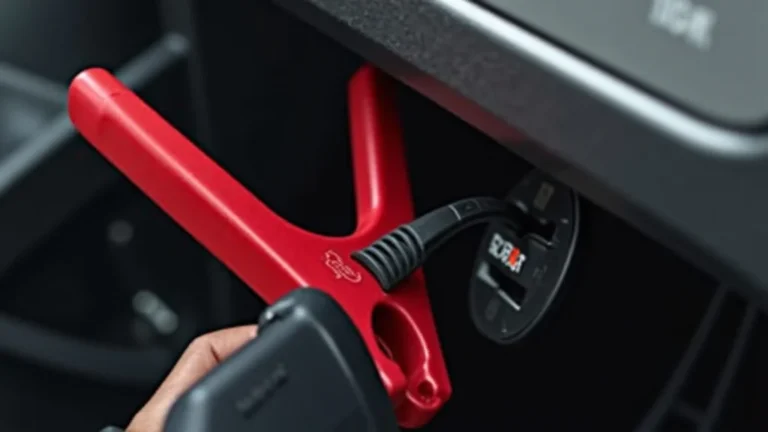
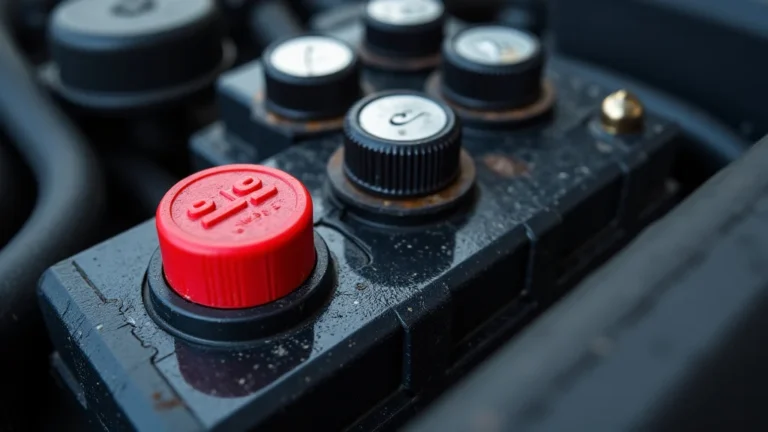
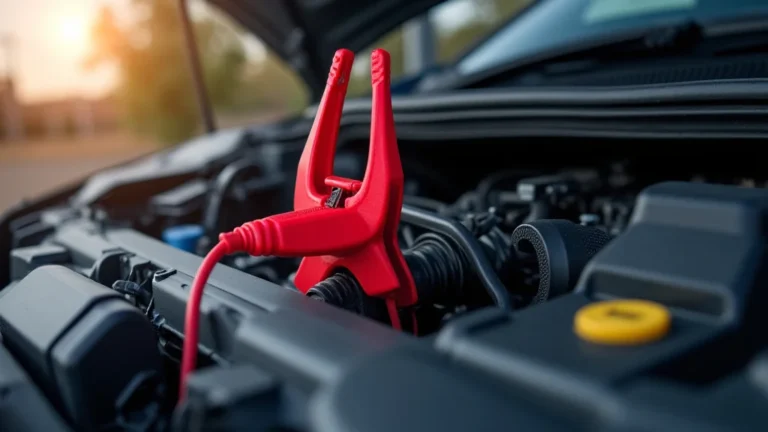
- Connect the Jump Starter: Connect the red (positive) clamp to the positive (+) terminal of the car’s battery. Then, connect the black (negative) clamp to a good ground point on the car’s chassis or engine block, away from the battery. Avoid connecting the negative clamp directly to the battery’s negative terminal.
- Give it Some Time: Allow the jump starter to sit connected for a few minutes. This allows the jump starter’s power to transfer to the car’s battery. Some jump starters may require a longer wait time in the cold.
- Attempt to Start the Car: Try to start your car. If it doesn’t start immediately, wait a few minutes and try again. Avoid cranking the engine for extended periods, as this can strain both the jump starter and the car’s battery.
- Disconnect the Jump Starter: Once the car has started, disconnect the clamps in the reverse order. Remove the black (negative) clamp from the ground point first, then the red (positive) clamp from the battery.
An interesting note: A 2018 study on automotive battery performance showed that connecting a jump starter for about 5 minutes can significantly improve the chances of a successful start in cold weather. Also, be sure to avoid direct connections that could create a dangerous situation.
Maintaining and Protecting Your Jump Starter
Taking care of your jump starter will help ensure it is ready when you need it, particularly in cold weather. Maintenance includes simple steps like regular charging and proper storage. Good maintenance will help you avoid the common jump starter cold weather issue.
Storage and Charging Best Practices
Proper storage and charging are essential for maintaining your jump starter’s functionality. Taking care of your jump starter when you aren’t using it can enhance its lifespan and ensure it is ready for use when you need it. By following these guidelines, you can ensure that your jump starter will be ready to perform, even in the cold.
- Storage Environment: Store the jump starter in a cool, dry place away from direct sunlight and extreme temperatures.
- Temperature Control: Avoid storing the jump starter in locations that experience severe temperature fluctuations, such as a car trunk.
- Regular Charging: Charge your jump starter every 3-6 months to maintain its battery health, even if you don’t use it.
- Charging Procedures: Always follow the manufacturer’s instructions for charging. Overcharging can damage the battery.
- Avoid Discharging: Avoid completely discharging the jump starter’s battery, as this can reduce its lifespan.
Consider the case of Michael, who followed these steps and found his jump starter ready to use, even after a long winter. The jump starter was always in a controlled environment and had a regular charging schedule. In contrast, consider David, who stored his in his car. It was dead when he needed it, and he had to wait for help. These experiences highlight the importance of proper storage and charging.
Extending the Lifespan of Your Jump Starter
Taking care of your jump starter can help extend its lifespan. Doing this can save you money and keep you ready for situations that require it. Keeping these tips in mind is a simple method to get the most from your jump starter and reduce the jump starter cold weather issue.
- Avoid Overuse: Don’t use the jump starter for tasks it wasn’t designed for, such as repeatedly starting a car with a severely damaged battery.
- Check Regularly: Periodically check the cables and clamps for corrosion or damage. Replace them if necessary.
- Cleaning: Keep the jump starter clean. Wipe it down with a dry cloth if it gets dirty.
- Professional Servicing: Consider professional servicing for your jump starter if it exhibits issues like slow charging or reduced power output.
- Follow Instructions: Always follow the manufacturer’s instructions for charging, use, and storage to protect your equipment.
Did you know a well-maintained jump starter can last for several years? Many factors play into this, including proper storage, not overusing the jump starter, and taking great care of the cables and terminals. Keep in mind that a neglected jump starter might fail when you need it most. Routine maintenance is the secret to a long life.
Frequently Asked Questions
Question: Can cold weather damage my jump starter?
Answer: Yes, cold weather can affect your jump starter’s performance and potentially shorten its lifespan if not properly stored and used.
Question: How long should I let my jump starter charge before using it?
Answer: It’s best to fully charge your jump starter before use, especially in cold weather. A fully charged jump starter works the best.
Question: Should I connect the negative clamp to the car’s battery terminal?
Answer: It’s often better to connect the negative clamp to a ground point on the car’s chassis or engine block, away from the battery, for safety reasons.
Question: How do I store my jump starter during the winter?
Answer: Store your jump starter in a cool, dry place, like a garage or inside your home, away from extreme temperatures and sunlight.
Question: What’s the best type of jump starter for cold weather?
Answer: Lithium-ion jump starters and capacitor-based jump starters often perform best in cold temperatures because they are less affected by the cold.
Final Thoughts
Dealing with the jump starter cold weather issue doesn’t have to be a struggle. We explored why the cold impacts jump starters, from slowing down the battery’s chemical reactions to causing material changes. You now know what to look for when choosing a jump starter that can handle the cold, like those with high peak amperage and designed temperature ranges. By understanding how to prep and use your jump starter, including the correct connection methods, you’re better prepared for those chilly mornings. Lastly, we covered essential maintenance, such as proper storage and charging, to protect your jump starter for years to come. Remember, a little preparation goes a long way. Stay warm, and stay prepared!