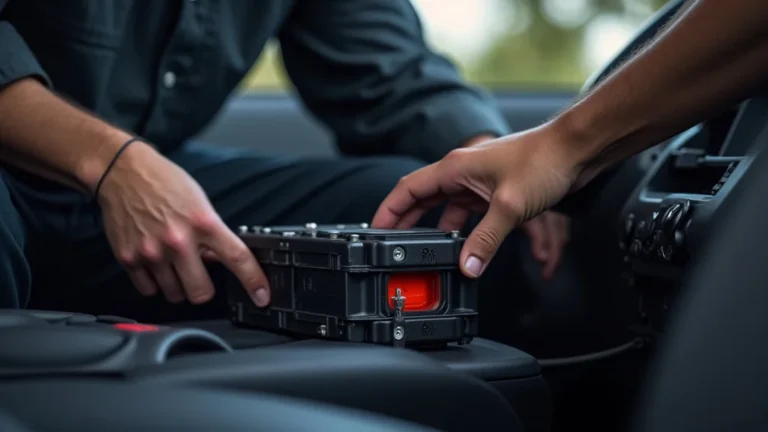
Can Jump Starter Fix Low Voltage Problems? A Quick Guide
Figuring out if can jump starter fix low voltage issues can be tricky, especially if you’re just starting out. It’s a common problem for car owners, often leaving them stranded. Don’t worry, though; it’s easier than it sounds! This guide will break down the steps clearly, helping you get your car back on the road. We’ll cover everything you need to know, from the basics to some helpful tips. Let’s explore how jump starters can bring your car back to life.
What Causes Low Voltage in Your Car Battery?
Low voltage in a car battery is like having a weak heart for your vehicle. It means there isn’t enough power to start the engine, run the lights, or power the radio. Several things can cause this, and it’s important to know the cause to address the issue properly. Cold weather, leaving lights on overnight, or a faulty charging system are all common culprits. The battery itself can also be the problem. As batteries age, they lose their ability to hold a charge, leading to low voltage. Diagnosing the issue is the first step in deciding what to do. Luckily, jump starters can often provide a quick boost.
Common Reasons for Low Voltage
Many factors can lead to a car battery having low voltage. These problems often cause starting issues and can be frustrating. Recognizing these causes helps you find the right fix, whether it involves a jump starter or something else.
- Leaving Lights On: This is probably the most common reason. Leaving headlights, interior lights, or the radio on overnight drains the battery significantly. Even small lights can drain the battery.
- Old or Faulty Battery: Batteries have a lifespan, usually around 3-5 years. Over time, they degrade and hold less charge. A faulty battery can’t provide enough power.
- Parasitic Drain: This occurs when something in your car continues to draw power even when the engine is off. This can be caused by faulty wiring, or a malfunctioning component.
- Cold Weather: Cold temperatures reduce the efficiency of a battery. The chemical reactions that create electricity slow down in the cold.
Leaving the lights on drains the battery because the car’s electrical system continues to draw power even when the engine is off. Over time, this constant drain reduces the battery’s charge. It can drop the voltage below the level needed to start the car. It is crucial to check that everything is off before leaving the vehicle.
Batteries work by using a chemical reaction to create electricity. As batteries age, the materials inside break down. This reduces their ability to store and release energy. If your battery is old, even a jump start might not provide a long-term fix, and replacement may be needed.
A parasitic drain is like a hidden vampire slowly draining the life from your car’s battery. This can be challenging to detect without specialized equipment, but it can quickly drain a battery. Addressing a parasitic drain is essential to prevent future problems.
Cold weather impacts battery performance. The chemicals that produce electricity in the battery react more slowly. This means the battery produces less power. This can be especially noticeable if the battery is already nearing the end of its life, or if the car is not driven frequently.
Checking Your Battery Voltage
Before using a jump starter, it’s a good idea to check your battery’s voltage to understand the issue. This helps you determine whether a jump start is the right solution. You can easily do this with a multimeter. This handy tool provides an exact reading, giving you a clear picture of your battery’s health.
Here’s how to check your battery voltage:
- Gather Your Supplies: You’ll need a multimeter and safety glasses. Ensure you are in a well-ventilated area.
- Set Up the Multimeter: Set the multimeter to measure DC voltage (VDC), usually at the 20V or higher setting.
- Access the Battery: Locate the car battery, usually under the hood. Make sure the engine is off and the key is out of the ignition.
- Connect the Multimeter Probes: Connect the red probe to the positive (+) terminal of the battery and the black probe to the negative (-) terminal.
- Read the Voltage: Check the multimeter display. A fully charged battery should read around 12.6 volts or higher.
Safety glasses protect your eyes from any potential hazards during the measurement. It’s a small step that can help you avoid potential injury. Ventilation is a key aspect if the battery shows any sign of leakage or is off-gassing, which can happen during testing.
Choose the voltage setting on your multimeter, ensuring that the multimeter is set to read direct current (DC) voltage. This setting allows the device to measure the electrical potential difference, or voltage, of the car’s battery.
Before you begin, make sure the engine is off and the key is out of the ignition. This is to ensure safety, as the electrical system can remain active for a short period. This makes it a risk if you were to accidentally touch any active components.
Ensure that the red probe from the multimeter connects to the positive (+) terminal of the battery and the black probe to the negative (-) terminal. These terminals are usually marked with ‘+’ and ‘-’ signs. The multimeter will display a voltage reading.
A fully charged car battery should measure approximately 12.6 volts or higher when the engine is off. When the engine is running, the voltage should be between 13.7 and 14.7 volts. These readings indicate the battery’s overall health and ability to provide power to the vehicle.
How Jump Starters Work: Can Jump Starter Fix Low Voltage?
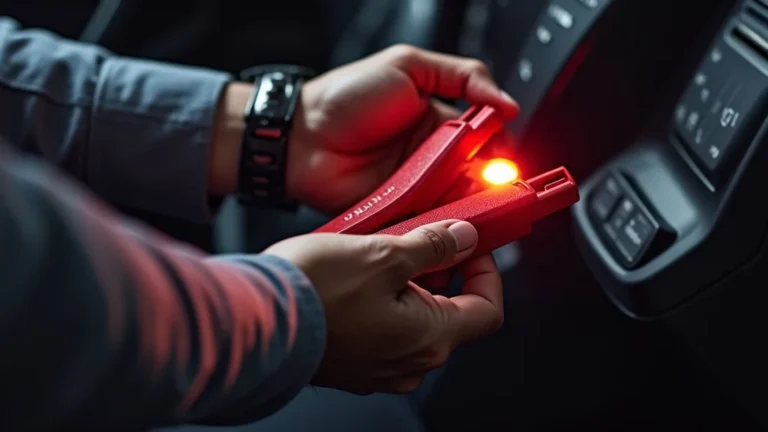
Jump starters are portable devices designed to provide a burst of power to start a car with a low or dead battery. They work by delivering a high current for a short period, giving the engine enough power to turn over. These devices often have built-in safety features to prevent damage to your car’s electronics.
The primary function of a jump starter is to supply the necessary electrical current to get your car running when the battery doesn’t have enough power. Essentially, the jump starter acts as a temporary power source, bypassing the low voltage issue.
The Science Behind Jump Starters
Jump starters store energy, usually in a lithium-ion battery or a capacitor. When connected to a car with a low battery, the jump starter releases this stored energy into the car’s electrical system. This process provides the engine with the necessary power to start. Jump starters use this energy to supply the high current that car starters need.
- Lithium-Ion Batteries: Many modern jump starters use lithium-ion batteries. These are smaller, lighter, and hold a charge for a long time. They deliver a consistent power supply.
- Capacitors: Some jump starters use capacitors. Capacitors charge and discharge quickly. These jump starters can deliver a large burst of energy.
- Safety Features: Most jump starters have built-in safety features like reverse polarity protection and overcharge protection. Reverse polarity protection prevents damage if the cables are connected incorrectly. Overcharge protection stops the jump starter from overcharging the car’s battery.
Lithium-ion batteries are a popular choice due to their high energy density, meaning they can store a lot of power in a compact package. They also have a low self-discharge rate, meaning they don’t lose much power when stored over time. They are known for providing consistent power. These features make them ideal for jump starters.
Jump starters with capacitors can deliver a powerful surge of energy almost instantly. Capacitors have a very fast charge and discharge rate, which can be beneficial in certain situations. They can recharge quickly after use and are often more durable. This makes them a strong contender in various jump starting scenarios.
Safety features are critical to prevent damage to the vehicle and to ensure safe usage. Reverse polarity protection prevents the jump starter from delivering power if the terminals are connected incorrectly. Overcharge protection prevents the battery from getting damaged by excessive charging. These features provide peace of mind.
Connecting a Jump Starter Correctly
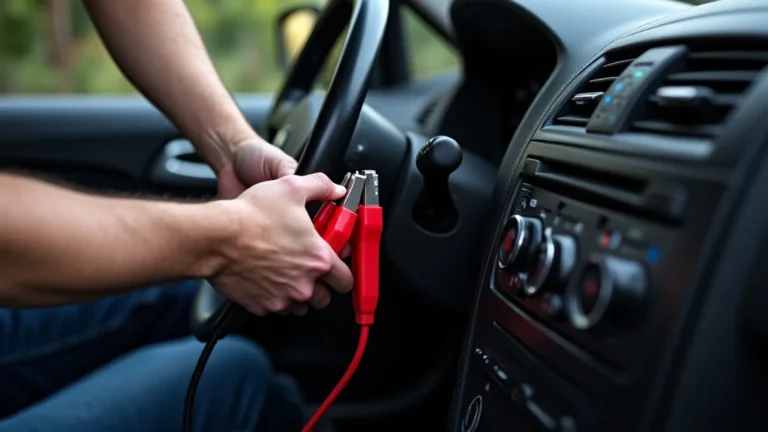
Connecting a jump starter correctly is very important. Always follow the manufacturer’s instructions to ensure you don’t cause any damage. Incorrect connections can damage your car’s electrical system or even cause the jump starter to malfunction. The key is to connect the jump starter cables in the correct order.
- Preparation: Ensure the jump starter is fully charged. Turn off the ignition in your car. Make sure the area around the battery is clear.
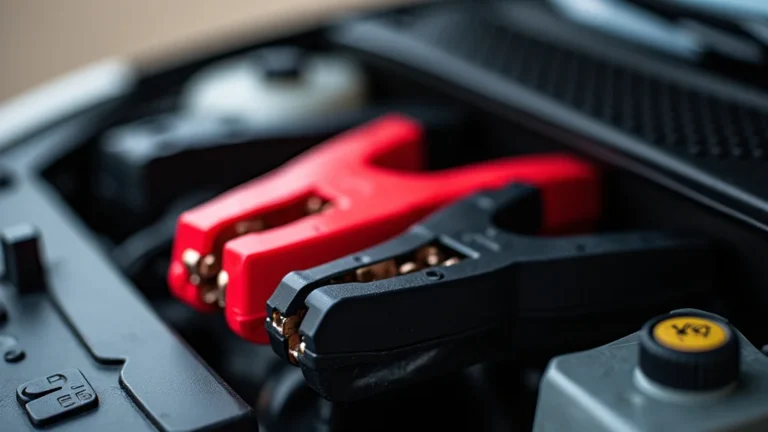
- Connect the Positive Cable: Attach the red (+) clamp to the positive (+) terminal on your car’s battery.
- Connect the Negative Cable: Attach the black (-) clamp to a grounded metal part of the car, such as a bolt or the engine block. Avoid connecting to the negative (-) terminal on the battery.
- Start the Car: Turn on the jump starter. Try to start your car. If it starts, let it run for a few minutes.
- Remove the Cables: Turn off the jump starter. Remove the clamps in reverse order: black (-) clamp first, then the red (+) clamp.
A fully charged jump starter will deliver the most power. Turning off the ignition ensures that no electrical circuits are active while connecting the cables. Clearing the area removes any potential obstructions.
The positive terminal is usually marked with a “+” sign. Securely connecting this cable is essential to complete the electrical circuit and provide the power. Do not let the clamp touch any metal parts of the car other than the battery terminal.
Connecting the negative clamp away from the battery can reduce the risk of sparks that can ignite explosive gases. Make sure you select a metal part that is not painted. This ensures a proper ground connection.
After following the connection steps, turn on the jump starter and attempt to start the car. If the engine starts, let it idle for a few minutes to allow the alternator to recharge the battery. If it doesn’t start, double-check the connections and consult the jump starter’s manual.
Disconnecting the jump starter clamps in the reverse order helps prevent sparks. Removing the negative clamp first ensures that any current flow is safely cut off. Then, remove the positive clamp carefully, making sure the clamps don’t touch each other.
Does a Jump Starter Really Fix Low Voltage?
A jump starter can often solve low voltage issues, but it’s important to understand what it does and doesn’t do. It delivers a quick boost to get your car started. However, it doesn’t always fix the underlying problem that caused the low voltage in the first place. You will need to address the root cause.
While a jump starter can provide the power needed to start the car, it’s a temporary solution. It is a tool that assists but may not resolve the source of the problem. It buys time but needs to be followed by proper assessment and necessary repairs.
Jump Starter Limitations
Jump starters are useful, but they do have limitations. It’s essential to know what jump starters can and cannot do to avoid false expectations. Knowing their capabilities and their limitations will help you use them effectively.
- Temporary Solution: A jump starter provides a temporary boost. It doesn’t fix a failing battery or a charging system problem.
- Battery Condition: A jump starter may not work if the battery is severely damaged or completely dead. In these cases, a new battery may be needed.
- Jump Starter Quality: The effectiveness of a jump starter can vary. High-quality jump starters are more reliable. Some may not deliver enough power for certain vehicles.
- Safety Precautions: Using a jump starter requires following the proper safety procedures. Incorrect connections can cause damage. Overuse can strain the battery.
A jump starter is not a cure-all. It’s designed to start a car with a low battery but does not address the underlying issue. It gives you an opportunity to get the vehicle running and investigate the reason for the low voltage.
If a car battery is severely damaged or beyond its lifespan, a jump starter may not be effective. A battery that has internal damage or has been deeply discharged may not be able to accept or retain a charge. In such situations, a replacement battery is the only option.
Not all jump starters are made the same. The performance can vary depending on their build quality and power output. Investing in a quality jump starter is critical. Researching product reviews and specifications can help you select a suitable option.
Improper use of a jump starter can cause damage to the vehicle’s electrical system and risk injury. It’s important to follow all the safety precautions and instructions, including proper connections and avoiding prolonged use. It should also be used in well-ventilated areas to avoid the build-up of explosive gases.
When to Replace Your Battery
If you regularly need to use a jump starter, it’s a good sign that your battery may need replacing. A healthy battery should start your car consistently without needing a boost. A jump starter can buy you time, but regular usage might mean that it’s time for a new battery. Replacing the battery is often the most sensible option to resolve persistent low voltage.
Here are some signs that indicate it’s time to replace your battery:
- Frequent Jump Starts: If you find yourself needing to use a jump starter frequently, your battery is likely not holding a charge.
- Battery Age: Most car batteries last about 3-5 years. If your battery is older than that, it’s nearing the end of its life.
- Slow Cranking: If your engine cranks slowly when you start the car, this may mean the battery is weak.
- Visible Corrosion: Corrosion on the battery terminals can disrupt the flow of electricity. Clean it, but replacement may still be needed.
Frequent jump starts indicate that the battery is no longer able to retain enough charge to start the engine. This is a primary sign that the battery needs replacement. Consistent use of a jump starter signifies an underlying problem.
Batteries have a lifespan, and their performance decreases over time. If your battery is getting older, replacing it is often the best solution. Older batteries may struggle to provide the power needed for starting, especially in cold weather.
A slow cranking engine is a key sign of a weak or failing battery. When the battery isn’t providing enough power, the starter motor will struggle to turn the engine. If the engine cranks slowly, it’s a good time to check the battery’s condition.
Corrosion can impede the flow of electricity, reducing the battery’s performance. Clean the corrosion off the terminals. Even if cleaned, the battery might still be nearing the end of its life. Corrosion often accompanies the other signs of battery failure.
Can Jump Starter Fix Low Voltage Long-Term: Maintenance
While a jump starter provides a quick fix, maintaining your car battery and electrical system is essential for preventing low voltage issues. This will help to reduce the frequency of needing a jump start, ensuring a reliable starting process. It is the best way to safeguard against inconvenient situations.
Preventative steps and consistent attention can help extend the life of your battery and prevent low voltage problems. Proactive maintenance is better than reacting to issues.
Essential Maintenance Practices
Several maintenance practices can help you keep your car battery in good condition. Following these tips helps you prevent low voltage issues and keeps your vehicle running smoothly. Regular maintenance can save you money.
- Regular Inspections: Check your battery terminals and cables for corrosion. Clean them as needed. This ensures a good electrical connection.
- Proper Charging: Avoid frequent short trips, as these don’t give the battery enough time to recharge. Drive longer distances.
- Limit Electrical Load: Minimize the use of electrical accessories when the engine is off, to reduce battery drain. Turn off lights.
- Professional Checkups: Get your car’s electrical system checked by a mechanic regularly. This can identify issues early.
Regular visual inspections can reveal potential issues before they become serious. Corrosion can reduce the battery’s ability to deliver power to the starter. Cleaning the terminals and cables maintains optimal performance.
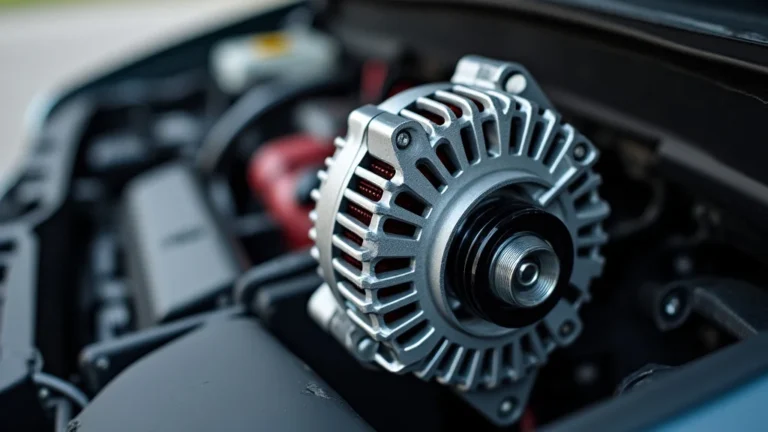
Short trips prevent the battery from fully recharging. The alternator needs time to replenish the battery’s charge. Longer drives help in keeping the battery properly charged and in good condition. Be aware of your driving habits and their impact on battery health.
Excessive use of electrical accessories while the engine is off can quickly drain the battery. Limit the use of lights, radio, and other devices. These measures minimize the load on the battery. It reduces the risk of low voltage problems. Be mindful of energy consumption.
Professional checkups help in diagnosing issues and ensuring everything functions as it should. A mechanic can test the charging system and identify parasitic drains. Addressing any issues promptly prevents larger problems. Regular checkups can extend your battery’s life.
Tips for Extending Battery Life
Follow these tips to keep your car battery healthy and working for a long time. These habits make a big difference in the lifespan of your battery. Adopting these habits may prevent the need for a jump start. It’s a proactive approach to maintaining your vehicle’s electrical system.
- Avoid Extreme Temperatures: Park your car in a garage when possible, especially during extreme heat or cold. These conditions affect battery performance.
- Keep Terminals Clean: Clean battery terminals regularly. Corrosion can impact electrical performance. Use a wire brush and a battery terminal cleaner.
- Check the Charging System: Have your car’s charging system tested. Make sure it’s functioning correctly.
- Use a Battery Maintainer: If your car will sit for long periods, use a battery maintainer. This device keeps the battery charged.
Extreme temperatures can decrease battery life. Parking your car in a garage helps protect the battery. Reduced exposure to extreme heat or cold can extend the battery’s lifespan. Shield the battery from the elements to preserve its health.
Corrosion can build up on battery terminals. This can reduce the flow of electricity. Regularly cleaning the terminals prevents this issue. Keeping the terminals clean boosts your car’s starting ability. Periodic cleaning boosts efficiency.
A malfunctioning charging system won’t properly charge the battery. Regular testing helps identify and fix any issues. Ensuring the charging system works correctly prevents battery problems. A properly functioning system charges the battery fully.
A battery maintainer keeps the battery fully charged, even when the car is not in use. It prevents the battery from draining and can extend its life. Use a maintainer if you don’t drive your car often. It helps to keep your battery in good shape. It reduces the risk of low voltage issues.
The average car battery life is around 3-5 years, but this can vary depending on driving habits and maintenance.
According to a report by AAA, a dead car battery is one of the most common reasons for roadside assistance calls.
A study found that cold weather can reduce battery capacity by up to 50%.
Frequently Asked Questions
Question: What is low voltage in a car battery?
Answer: Low voltage means the battery doesn’t have enough power to start your car. This usually happens when the voltage drops below about 12 volts.
Question: How do I know if my battery is low?
Answer: You might notice your car cranks slowly, the lights dim, or the car won’t start at all. You can also use a multimeter to check the battery voltage.
Question: Can I use a jump starter on any car?
Answer: Most jump starters work on most cars, but it’s best to check the jump starter’s specifications. Make sure it’s suitable for your car’s engine size and voltage.
Question: How long should I let my car run after a jump start?
Answer: Let your car run for at least 20-30 minutes after a jump start. This allows the alternator to recharge the battery.
Question: Can I damage my car by jump starting it?
Answer: Yes, if you connect the jump starter cables incorrectly, you can damage your car’s electrical system. Always follow the instructions carefully.
Final Thoughts
So, can jump starter fix low voltage? In short, yes, a jump starter can often give your car a quick boost. They’re handy for getting your car running when the battery is low, but they’re not a permanent fix. A jump starter is a quick fix, so you can deal with the source. Always remember to check your battery’s voltage and identify why your car won’t start. Regularly check the battery, clean terminals, and limit electrical usage when the engine is off to maintain your battery. Address battery issues. If you notice it needs jump starts often, it is a sign of a deeper issue. Take these tips to keep your car running smoothly. Your car will thank you, and you’ll be ready for your next trip!