Can Jump Starter Start Car With Bad Starter Explained
Figuring out if can jump starter start car with bad starter can be tricky, especially if you’re new to car troubles. It’s a common question, and sometimes, a frustrating one when your car won’t start! Don’t worry, though. We’ll explore the basics in a simple way. This information will help you understand what’s happening and guide you through the process. Let’s get started with a step-by-step approach.
What a Jump Starter Does for Your Car
A jump starter is like a portable battery that gives your car a boost. It provides the extra power needed to get your engine running. When your car battery is low or dead, the starter motor may not have enough power to turn the engine over. That’s where the jump starter comes in handy. It sends electricity to the car’s electrical system, letting the starter motor do its job.
This is especially important in cold weather, when batteries can lose power quickly. A jump starter provides a reliable source of power to get you back on the road. Many jump starters also have additional features like USB ports for charging devices, LED flashlights for roadside assistance at night, and safety features to prevent damage to your car’s electrical system.
How Jump Starters Work
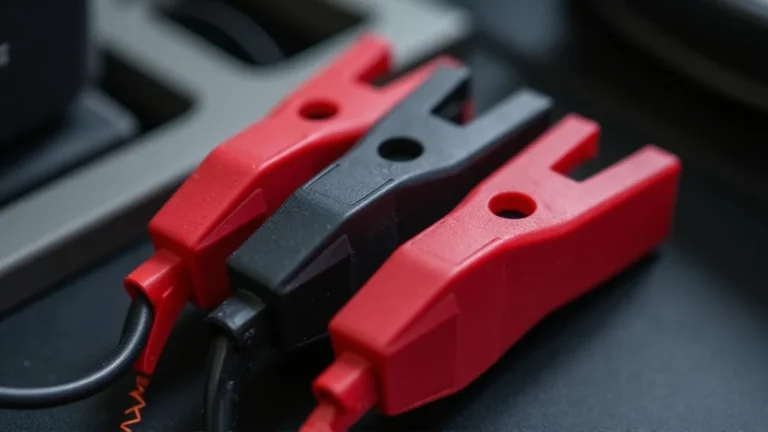
Jump starters store electricity and discharge it through jumper cables to your car’s battery terminals. This process allows your car’s electrical system to receive the needed power to start the engine. Jump starters often include safety features to protect both the jump starter and your car from damage. They may have reverse polarity protection that prevents the jump starter from operating if the cables are connected incorrectly. They might also have overcharge protection, which prevents the jump starter from overcharging the car battery.
- Energy Storage: Jump starters store electrical energy using lithium-ion batteries. These batteries are portable and can be recharged.
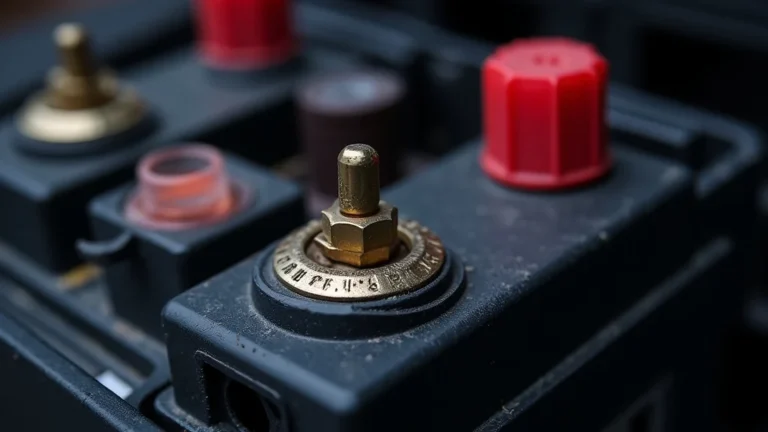
- Cable Connection: Jumper cables are attached to your car’s battery terminals. The red cable goes to the positive (+) terminal, and the black cable goes to the negative (-) terminal.
- Power Delivery: When the jump starter is activated, it sends electricity through the jumper cables to the car’s electrical system.
- Starting the Engine: The jump starter provides the extra power to get your engine going. Once the engine starts, the car’s alternator takes over, charging the car’s battery.
Types of Jump Starters
There are different types of jump starters available, each with unique features and capacities. Some are compact and designed for smaller vehicles, while others are larger and can handle heavier-duty tasks. Understanding the different types helps you choose the correct one for your needs.
- Lithium-ion Jump Starters: These are the most common type of jump starter. They are small, lightweight, and efficient. They are known for their ease of use.
- Lead-Acid Jump Starters: These jump starters are heavier and use lead-acid batteries. They are generally less expensive than lithium-ion models. However, they may require more care, such as regular recharging to maintain their effectiveness.
- Capacitor Jump Starters: Capacitor jump starters use a capacitor to store and release energy. They can recharge very quickly, often within a few minutes. However, they may not be as effective in extremely cold temperatures.
Does a Bad Starter Motor Prevent Jump Starting?
The core question is, if your car’s starter motor is faulty, can jump starter start car with bad starter? The short answer is yes and no. A jump starter provides the power needed to start the car, which bypasses the car’s battery and delivers a boost to the starting system. However, if the starter motor itself is broken, simply giving the car more power won’t fix the issue.
A faulty starter motor often fails to turn the engine. It could click, grind, or not make any noise at all. Jump starting could briefly help the engine to start, but it won’t be a permanent fix. You will need to address the bad starter motor if that is the case.
Identifying Starter Motor Issues
Recognizing the signs of a faulty starter motor is important. This helps you figure out the root cause of the problem. Common signs include clicking sounds when you try to start the car, slow engine cranking, or complete silence when you turn the key.
- Clicking Sounds: A single click or a rapid clicking sound often suggests that the starter motor is not getting enough power. This can be caused by a weak battery, loose connections, or a failing starter motor.
- Slow Cranking: If the engine turns over slowly when you try to start the car, the starter motor might be struggling. This can be due to a faulty starter or other mechanical problems in the engine.
- No Sound: If there’s no noise at all when you turn the key, it could mean that the starter motor is completely dead, there is an electrical problem, or the ignition switch is malfunctioning.
- Grinding Noise: A grinding sound can mean that the starter motor’s gears are not properly engaging with the flywheel. This could indicate wear and tear on the starter motor or the flywheel.
Testing the Starter Motor
To determine if the starter motor is bad, you can perform some simple tests. One test involves checking the voltage at the starter motor while trying to start the car. Another test involves listening to the starter motor’s behavior when the ignition key is turned. If you are not comfortable performing these tests, it is best to consult a mechanic.
- Voltage Test: Use a multimeter to measure the voltage at the starter motor when you turn the ignition key. If the voltage is low, the starter motor may not be receiving enough power.
- Listen for Sounds: Pay attention to the sounds the starter motor makes when you turn the key. A clicking sound often indicates a problem. No sound at all can mean that the starter motor is dead.
- Visual Inspection: Check the starter motor for any signs of damage, such as corrosion or loose wires.
Step-by-Step Jump Starting a Car
If you’re wondering how to use a jump starter, this section provides simple instructions. Following these steps can help you successfully start your car. Always prioritize safety when dealing with electrical components.
Preparing for the Jump Start
Safety comes first. Preparing properly can prevent accidents. Make sure the jump starter is fully charged. Position both cars so the jumper cables can reach the batteries. Identify the positive (+) and negative (-) terminals on both batteries. Clear the area around the batteries of any flammable materials, and ensure the vehicles are in a safe place.
- Safety First: Put on safety glasses and wear gloves.
- Check Connections: Make sure the jump starter is turned off.
- Position Vehicles: Park the vehicles close enough so the jumper cables can reach both batteries.
- Identify Terminals: Locate the positive (+) and negative (-) terminals on both batteries.
Connecting the Jumper Cables
Connecting the jumper cables correctly is essential for safe and effective jump starting. Following the right order avoids electrical shorts and damage to your car’s electrical systems. Incorrect connections can be risky. Always refer to your jump starter’s instructions for specific guidance.
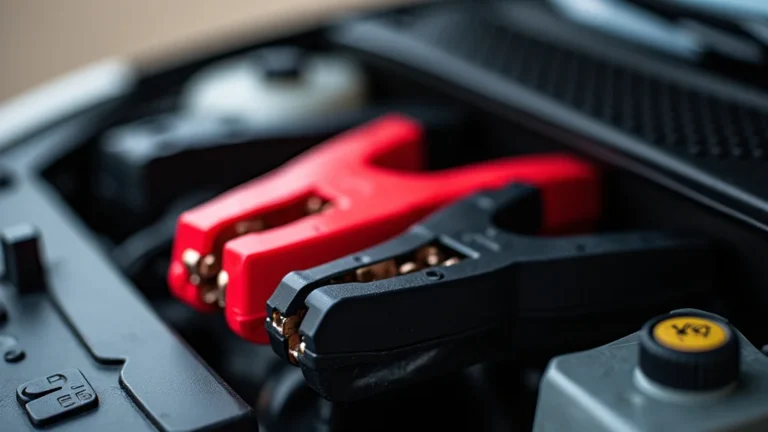
- Connect the red (positive) clamp to the positive (+) terminal of the dead battery.
- Connect the other red clamp to the positive (+) terminal of the good battery.
- Connect the black (negative) clamp to the negative (-) terminal of the good battery.
- Connect the other black clamp to a bare metal surface on the car with the dead battery, away from the battery. For instance, you could clamp it to an engine bolt or metal chassis.
Starting the Car and Disconnecting
After the jumper cables are correctly connected, you are ready to start the car. Once the car is running, carefully remove the jumper cables in the reverse order that they were connected. After the car is started, let the engine run for several minutes to allow the alternator to begin charging the car’s battery. If the car has a bad starter motor, it may start briefly, but then fail again.
- Start the Car: Turn on the car with the dead battery and try starting it. If it doesn’t start, wait a few minutes and try again.
- Remove the Cables: Detach the cables in the reverse order you connected them: first the black clamp from the car’s chassis, then the black clamp from the good battery, then the red clamp from the good battery, and finally the red clamp from the dead battery.
- Let the Engine Run: After jump-starting, let your car run for at least 15-20 minutes to allow the alternator to recharge the battery.
- Address the Issue: If the car still struggles to start, you might need professional help to determine if a bad starter motor is present.
Common Problems and Solutions
Jump starting a car sometimes encounters problems. Knowing about these problems and their solutions can help you troubleshoot and get your car running. Keep in mind that a bad starter motor might require different solutions.
Car Won’t Start After Jump
If your car still won’t start after using a jump starter, there might be other issues. First, check that the jumper cables are securely connected to the correct terminals on both batteries. If the connections look fine, the problem might be more complex than a dead battery. It could be a failing starter motor, a blown fuse, or another electrical fault. A visit to a mechanic is recommended to correctly diagnose the issue.
- Check Cable Connections: Double-check that the jumper cables are correctly attached to both batteries.
- Test the Starter: If the engine cranks but doesn’t start, the starter motor might be the problem.
- Inspect Fuses: A blown fuse related to the starter system can prevent your car from starting.
- Seek Professional Help: If you are unsure of the issue, consult a mechanic.
Jump Starter Fails to Charge
Sometimes, the jump starter itself might not be working. Ensure the jump starter is fully charged before attempting to use it. If the jump starter is not holding a charge, the battery inside might be faulty or at the end of its life. If your jump starter does not appear to be charging properly, try a different charging outlet, and check the charger for any damage. Replacing the jump starter battery might be required.
- Check the Charger: Ensure the charger is working. Try another outlet or a different charger.
- Charge Fully: Make sure the jump starter is fully charged before use.
- Battery Life: If your jump starter has been used a lot, its battery might be worn out and need replacing.
- Seek Professional Help: If you are unsure of the issue, consult a mechanic.
Jump Starter and Vehicle Compatibility
Different jump starters are designed for different types of vehicles. Choosing the correct jump starter for your car ensures you have the power needed to start your engine safely. Always refer to your jump starter’s specifications. Always read the owner’s manual for your vehicle and jump starter. This will assist you in ensuring compatibility.
Vehicle Types and Jump Starter Requirements
The type of vehicle you have impacts the jump starter you will need. Cars with larger engines, such as trucks or SUVs, often need jump starters with higher cranking amps to deliver the extra power to start the engine. Smaller vehicles, like compact cars, usually need less power.
- Cars and Sedans: Most standard cars and sedans can use a jump starter with around 400-600 cranking amps.
- SUVs and Trucks: Larger SUVs and trucks might need a jump starter with 800-1000 or more cranking amps.
- Motorcycles and ATVs: Smaller jump starters are made for motorcycles and ATVs, typically offering fewer cranking amps.
- Electric Vehicles: Special jump starters are needed for electric vehicles, which might involve different voltage requirements.
Understanding Cranking Amps
Cranking amps (CA) and cold cranking amps (CCA) are important metrics. CA is the amount of power the jump starter provides at 32 degrees Fahrenheit. CCA is the amount of power it provides at 0 degrees Fahrenheit. The higher the CCA or CA rating, the more power the jump starter can deliver, which is especially important in cold weather.
A car battery typically needs a certain amount of cranking amps to start the engine. Generally, gasoline engines require fewer cranking amps than diesel engines. Higher CCA or CA ratings can also be important in areas with cold climates. Knowing these ratings will help you make an informed decision when purchasing a jump starter.
According to AAA, a car battery can lose up to 30-60% of its power at 0 degrees Fahrenheit, which highlights the need for a jump starter with a high CCA rating. Research from Consumer Reports found that jump starters with a CCA rating of 600 or more are usually suitable for a wide variety of vehicles.
| Feature | Description |
|---|---|
| Cranking Amps (CA) | Amps delivered at 32°F (0°C). |
| Cold Cranking Amps (CCA) | Amps delivered at 0°F (-18°C), best rating. |
| Vehicle Compatibility | Matching the jump starter’s CA or CCA to your vehicle’s needs. |
Frequently Asked Questions
Question: Can a jump starter damage my car?
Answer: When used correctly, a jump starter should not harm your car. However, if the connections are incorrect or the jump starter is of low quality, it could potentially damage the car’s electrical system. Always follow the instructions provided.
Question: How long does it take to charge a jump starter?
Answer: The charging time for a jump starter can vary. It usually takes several hours to fully charge a jump starter. The time depends on the specific model and the condition of the jump starter’s battery. Some models may have fast-charging capabilities.
Question: What should I do if the jump starter won’t start my car?
Answer: If the jump starter does not start your car, double-check all connections to ensure they are secure. Make sure the jump starter is fully charged. If the car still will not start, there might be an issue like a dead starter motor or another problem that needs professional attention.
Question: Can I use a jump starter on a hybrid car?
Answer: Yes, you can use a jump starter on a hybrid car. However, be cautious and always connect the jump starter to the 12-volt battery, not the high-voltage battery. Refer to your hybrid vehicle’s owner’s manual for specific instructions.
Question: Is it safe to leave jumper cables connected for a long time?
Answer: No, it’s not advised to leave jumper cables connected for an extended period. Once the car has started, you should remove the jumper cables promptly. Leaving them connected longer than needed may pose a risk of damaging the car’s electrical systems.
Final Thoughts
So, can jump starter start car with bad starter? The answer is more complex than a simple yes or no. A jump starter can provide the power your car needs to start, even when the battery is low. However, if the problem is a faulty starter motor, a jump start is only a temporary fix. It’s like giving your car a boost of energy, but not fixing the problem causing it to be drained in the first place. You’ll need to figure out the root cause to completely resolve the issue.
If you’re facing starting troubles, check your battery, test your starter motor, and make sure everything is connected correctly. If you’re not sure, don’t hesitate to ask a mechanic for help. With a little knowledge and some care, you’ll be back on the road. Now you have a good start for resolving your car issues!