Exactly How Long to Charge a Car Battery for Best Results

Featured image for how long to charge a car battery
Image source: 1.bp.blogspot.com
For best results, the exact charging time for a car battery isn’t fixed; it critically depends on the battery’s current state of charge and the charger’s amperage. Modern smart chargers are highly recommended as they automatically detect when charging is complete, preventing overcharge and ensuring optimal battery health and longevity.
Exactly How Long to Charge a Car Battery for Best Results
Ever hopped into your car, turned the key, and instead of that satisfying roar, you hear… absolutely nothing? Or maybe just a sad, struggling click-click-click? It’s a frustrating moment we’ve all probably faced. A dead car battery can derail your plans faster than you can say “jump start.” Once you’ve figured out it’s the battery, the next question often pops up: how long to charge a car battery to get it back in action, and more importantly, to keep it healthy?
It’s easy to feel a bit lost in the world of amp-hours, volts, and charger types. There isn’t a single, magic answer that applies to every car in every situation. Factors like how dead your battery is, what type of battery you have, and the kind of charger you’re using all play a significant role. But don’t worry, my friend. This guide is here to demystify the process and give you a clear understanding of exactly how long to charge a car battery for optimal performance and longevity.
Key Takeaways
- Assess battery voltage: Determine current charge level before starting.
- Prioritize smart chargers: They prevent overcharging and optimize battery health.
- Opt for slow charging: Low amperage extends battery life and performance.
- Charge time is variable: Depends on battery size, discharge, and charger type.
- Always fully charge: Prevents sulfation; ensures maximum capacity.
- Never overcharge: It causes irreversible damage and reduces lifespan.
📑 Table of Contents
- Understanding Your Car Battery’s Needs: The “Why” Behind Charging Times
- Deciphering Your Battery Charger: The “What” You’re Using
- The Math Behind the Charge: Calculating Estimated Times
- Practical Charging Scenarios and Estimated Times
- Signs of a Fully Charged Battery & Avoiding Overcharging
- Conclusion
Understanding Your Car Battery’s Needs: The “Why” Behind Charging Times
Before we dive into numbers, let’s understand what influences the charging duration. Think of it like cooking: the time depends on the ingredients and the oven.
Battery State of Charge: Not All Flat Batteries Are Equal
There’s a big difference between a battery that’s merely “drained” because you left your headlights on overnight and one that’s completely “dead” – unable to even flicker a dashboard light. A deeply discharged battery requires significantly more time and care to bring back to full health than one that’s just a bit low.
- Slightly Drained: Maybe your car hesitated to start, or the interior lights were dim. This battery might be at 50-75% charge.
- Deeply Discharged / Dead: No lights, no sounds, just silence. This battery could be below 20% charge, or even lower.
Battery Type Matters: Flooded, AGM, or Gel?
Most cars have a traditional “flooded” lead-acid battery. However, newer vehicles or those with stop-start technology often use Absorbent Glass Mat (AGM) or Gel batteries. Each type has specific charging characteristics:
- Flooded (Wet Cell): Common, generally more tolerant of varying charge rates, but can gas if overcharged.
- AGM: Charges faster and more efficiently than flooded batteries, but requires specific charging voltages.
- Gel: Very sensitive to overcharging and requires a lower, more controlled charging voltage.
Using a smart charger that detects battery type is crucial here to prevent damage. Knowing your battery type is key to understanding how long to charge a car battery safely.
The Cold Hard Truth: Temperature Impacts Charging
Battery chemistry slows down in cold weather. This means a battery will accept a charge slower when it’s chilly outside compared to a warm day. If you’re charging your battery in a cold garage or during winter, expect the charging process to take a bit longer.
Deciphering Your Battery Charger: The “What” You’re Using
The device you use to charge your battery is just as important as the battery itself. Chargers come in different “flavors,” each affecting how long to charge a car battery.
Types of Chargers: From Basic to Smart
- Standard/Manual Chargers: These are older, simpler chargers that provide a constant charge regardless of the battery’s state. You need to monitor these closely to avoid overcharging.
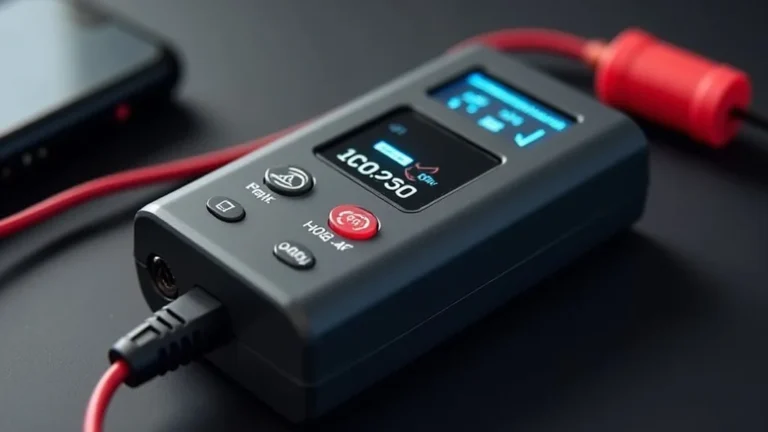
- Smart/Automatic Chargers: The hero of modern battery charging! These intelligent devices monitor the battery’s voltage and adjust the charge rate automatically. They typically have multiple charging stages (bulk, absorption, float) and will switch to a maintenance mode once full, preventing overcharging. This is generally the safest and most recommended option.
- Trickle Chargers/Battery Maintainers: These provide a very low, constant current to keep a battery topped off, perfect for vehicles stored for long periods (like an RV or classic car). They’re not designed for rapid charging a dead battery but are excellent for maintenance.
Charger Amperage: The Speed Dial of Charging
Chargers are rated in amps (A). This number tells you how much current the charger can deliver. Think of it as the flow rate of water into a bucket:
- Low Amperage (e.g., 2A-4A): Slower charging, but generally safer and gentler on the battery. Ideal for maintenance or overnight charging.
- Medium Amperage (e.g., 5A-10A): A good all-around choice for moderately drained batteries, offering a balance of speed and safety.
- High Amperage (e.g., 15A+): Faster charging, often found in heavy-duty or professional chargers. While quicker, using too high an amperage on a small or weak battery can generate excessive heat and potentially shorten its lifespan if not carefully managed by a smart charger.
The higher the amp rating of your charger, the less time it will typically take for how long to charge a car battery, but always choose an appropriate amperage for your battery’s capacity.
The Math Behind the Charge: Calculating Estimated Times
Okay, time for a little simple math! While exact times vary, we can estimate how long to charge a car battery using a basic formula.
The Simple Formula: Ah / A = Hours
Most car batteries are rated in Amp-hours (Ah), typically ranging from 40Ah to 100Ah for passenger vehicles. This tells you how much energy the battery can deliver over time. The formula is:
Battery Capacity (Ah) / Charger Amperage (A) = Estimated Hours to Full Charge
Example: Let’s say you have a 60Ah car battery and a 10-amp charger.
60 Ah / 10 A = 6 hours
This gives you a baseline for how long to charge a car battery from completely empty to full.
Accounting for Inefficiency and Battery Condition
That formula provides an ideal scenario, but real-world charging isn’t 100% efficient. Batteries lose some energy as heat during charging, and older or colder batteries charge less efficiently. So, it’s wise to add an extra 10-20% to your calculated time to be safe.
For our 60Ah battery with a 10A charger, adding 20% means:
6 hours * 1.20 = 7.2 hours (or about 7 hours and 12 minutes)
This adjusted figure gives you a more realistic expectation of how long to charge a car battery.
Practical Charging Scenarios and Estimated Times
Let’s look at some common situations and give you a rough idea of charging times using a smart charger. Remember, these are estimates – always refer to your charger’s indicators and instructions!
Charging a Slightly Drained Battery (e.g., lights left on overnight)
If your battery is still strong enough to crank weakly but won’t start the car, it might be around 50-75% charged.
- With a 5A Smart Charger: 4-8 hours
- With a 10A Smart Charger: 2-4 hours
This is often the scenario for most drivers asking how long to charge a car battery after a minor oversight.
Bringing a Dead Battery Back to Life (The “Totally Flat” Scenario)
A battery that’s completely dead (below 10.5 volts for a 12V battery) will take significantly longer. Some smart chargers might struggle to “wake up” a completely dead battery, requiring a jump start or a specialized “repair” mode first.
- With a 5A Smart Charger: 10-24 hours (or even longer)
- With a 10A Smart Charger: 6-12 hours (or longer)
Patience is key here. Rapid charging a completely dead battery can stress it. A slow, steady charge is generally better for its long-term health. Knowing how long to charge a car battery from this state requires patience and a good charger.
Maintenance Charging / Trickle Charging (For Stored Vehicles)
If you’re storing a vehicle for weeks or months, a battery maintainer is your best friend. These chargers provide a very low current to keep the battery topped off without overcharging.
- With a 1-2A Battery Maintainer: Indefinite (they can be left connected for months without harm, as they automatically switch to float mode).
For keeping your battery in prime condition during storage, these maintainers take care of the “how long to charge a car battery” question by making it a continuous, low-power process.
Signs of a Fully Charged Battery & Avoiding Overcharging
Knowing when to stop charging is just as important as knowing how long to charge a car battery. Overcharging can significantly reduce battery life and even cause damage.
What a Smart Charger Tells You
This is the easiest way! Modern smart chargers have indicator lights or screens that clearly show the charging status: charging, fully charged, or float/maintenance mode. Once it indicates “full” or switches to “float,” you’re good to go.
Manual Checks: Voltage Readings
If you’re using a basic charger, you’ll need a multimeter. A fully charged 12-volt lead-acid battery should read approximately 12.6 to 12.8 volts (with the charger disconnected and the battery resting for a few hours). Anything above this, especially significantly higher, could indicate overcharging or a faulty battery.
Always disconnect the charger before taking a voltage reading for accuracy.
The Dangers of Overcharging
Overcharging can cause several problems:
- Reduced Lifespan: Excessive heat damages the internal plates.
- Gassing: For flooded batteries, overcharging causes the electrolyte (acid and water) to boil, releasing hydrogen gas (which is flammable!) and depleting water levels.
- Plate Corrosion: High temperatures can accelerate corrosion.
When to Stop: It’s Not Always About Time
While the time estimates are helpful, the most accurate answer to how long to charge a car battery is “until your smart charger says it’s done” or “until your multimeter confirms full voltage.” Relying solely on time without monitoring can lead to under or overcharging.
Conclusion
So, how long to charge a car battery? As we’ve explored, there’s no single universal answer. It’s a dynamic equation influenced by your battery’s condition, type, temperature, and the specific charger you’re using. The best approach is always to use a good quality smart charger, as these devices take the guesswork out of the equation, adjusting the charge rate and stopping automatically to ensure your battery gets exactly what it needs without being overstressed.
Taking a little time to understand these factors and investing in a reliable smart charger will not only save you from future dead battery headaches but also prolong the life of your car battery. Happy charging, and here’s to many more worry-free drives!
Frequently Asked Questions
How long does it generally take to charge a car battery?
The typical charging time for a standard car battery using a conventional charger (around 10 amps) can range from 4 to 12 hours. This duration largely depends on the battery’s initial state of discharge and its overall capacity.
What factors determine how long it takes to charge a car battery?
Several key factors influence the charging time, including the battery’s Amp-hour (Ah) rating, its current state of charge, and the amperage output of your battery charger. A larger battery or one that is deeply discharged will naturally require more time to fully charge.
If my car battery is completely dead, how long will it take to fully charge?
A completely dead car battery will take significantly longer to charge, often requiring 12 to 24 hours with a standard 10-amp charger. For safety and optimal results, it’s best to use a smart charger that automatically adjusts the charging rate and shuts off when full.
How long does a trickle charger take to charge a car battery?
Trickle chargers provide a very low amperage charge (typically 1-2 amps) and are designed for long-term maintenance rather than rapid charging. Consequently, charging a discharged car battery with a trickle charger can take anywhere from 24 to 48 hours or even longer to reach full capacity.
Can I leave my car battery on charge indefinitely, or can it overcharge?
Leaving a car battery on a conventional charger indefinitely can lead to overcharging, which can damage the battery by causing electrolyte loss and internal plate corrosion. It’s highly recommended to use a smart charger or battery maintainer, as these devices automatically stop charging once the battery is full and switch to a maintenance mode.
How long should I charge my car battery for a quick boost to start the car versus a full charge?
For a quick boost to get your car started, charging for 15-30 minutes with a higher-amp charger (20+ amps) might suffice. However, this only provides enough power to start the engine and doesn’t fully replenish the battery; a full charge, taking several hours, is necessary for optimal battery health and longevity.