Jump Starter Works But Car Still Won’t Start: A Simple Guide
It’s super frustrating when your car won’t start, even after using a jump starter works but car still won’t start. You might feel a bit lost, especially if you’re not a car expert. This happens to many people, and it’s often due to something simple. Don’t worry; we’re here to help! We’ll explore the common reasons why this happens, and provide easy-to-follow steps to get your car running again. Let’s explore the possible issues and how to fix them, piece by piece.
Why a Jump Starter Might Not Be the Whole Solution
When you use a jump starter, you’re essentially providing a temporary power boost to the car’s battery. The main idea is that the jump starter helps the engine to crank and hopefully start. However, if the battery is not the only issue, or if there is a more significant electrical problem, a jump starter alone might not do the trick. A car not starting after a jump could have many causes, and we need to look into those.
Examining the Battery’s Condition
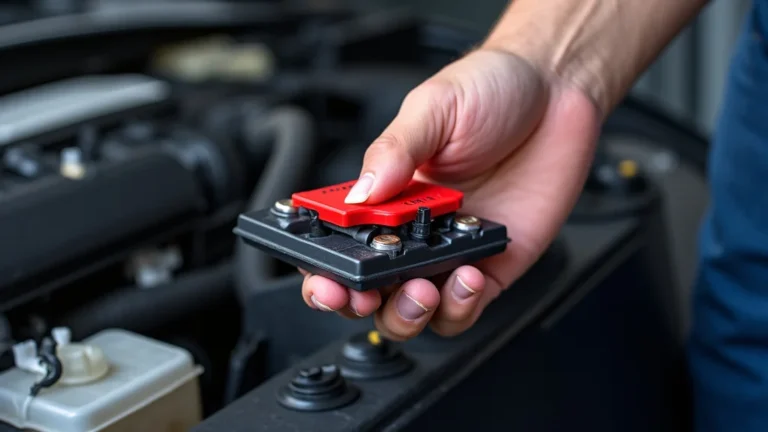
The battery is often the first thing people check when a car won’t start. A jump starter delivers a surge of power, and it can usually get a car going if the battery is simply drained. There might be some corrosion on the battery terminals, a bad battery cell, or an issue with the alternator. This can make the battery incapable of holding a charge, even after being jumped. Checking and cleaning the battery connections and testing the battery’s health are important steps.
- Check Battery Terminals: Look for corrosion (a white, chalky substance) on the battery terminals. Clean the terminals with a wire brush or a special battery terminal cleaner.
- Test the Battery Voltage: Use a multimeter (a tool to measure electrical values) to check the battery voltage. A fully charged battery should read around 12.6 volts. Anything significantly lower suggests a problem.
- Check Battery Age: Car batteries have a limited lifespan, typically 3-5 years. If your battery is old, it might be time for a replacement.
Consider the fact that a vehicle’s electrical system has many components. If the battery is just one part of the problem, the jump starter may not fix the issues. For example, if there is a short circuit, or a defective starter motor, the car will still not start. Addressing all potential problems will help resolve the underlying issues.
Testing the Starter Motor
The starter motor is what cranks the engine. If it’s faulty, the engine won’t turn over, even with a charged battery. You might hear a clicking sound when you turn the key, which could indicate a starter problem. The jump starter won’t directly fix a starter motor malfunction.
- Listen for Sounds: When you turn the ignition key, listen closely. A clicking sound often suggests the starter motor is receiving power, but something is preventing it from working correctly. A grinding or whirring sound might indicate the starter is trying to engage, but failing.
- Tap the Starter Motor: Gently tap the starter motor with a hammer or a similar tool. Sometimes, this can free a stuck component inside the motor. Be careful not to damage the motor.
- Check Starter Relay: There’s often a starter relay (a switch) that provides power to the starter motor. Check the relay and replace it if it’s damaged.
A starter motor may fail slowly, making it hard to notice issues at first. It might crank sluggishly for a while before failing completely. The jump starter can’t help if the starter motor itself is the problem.
Beyond the Battery: Exploring Other Potential Issues
When the jump starter works but car still won’t start, there could be issues beyond the battery or starter. Problems like fuel system issues or electrical faults can prevent the engine from running. It’s time to dig deeper. Let’s cover some of the most common issues that need your attention.
Fuel System Troubles
If your car has fuel problems, the engine won’t start, even if the battery is fine. This can include a lack of fuel or an issue with the fuel pump. The fuel pump provides the gasoline to the engine. Any damage to fuel lines or components can prevent fuel from reaching the cylinders.
- Check Fuel Level: Make sure you have enough fuel in the tank. It might sound basic, but sometimes it is the easiest solution!
- Listen for the Fuel Pump: When you turn the ignition key, you should hear a humming sound from the fuel pump (usually located in the fuel tank). If you don’t hear anything, the fuel pump could be faulty.
- Check Fuel Pump Relay: Like the starter relay, a fuel pump relay may have failed. Locate and check the fuel pump relay in your car’s fuse box.
A blocked fuel filter is a common issue. It restricts fuel flow, which can keep the car from starting. If the fuel filter is damaged, it might not provide the required amount of fuel to the engine. The engine will not run properly.
Investigating Ignition System Failures
The ignition system is what creates the spark to ignite the fuel in your engine. If this system is having problems, the engine won’t start. This includes the ignition coil, spark plugs, and related wiring. An easy check can prevent you from searching other parts of your car.
- Inspect Spark Plugs: Remove a spark plug and check for wear or damage. Replace spark plugs that look worn, fouled, or damaged.
- Check Ignition Coil: The ignition coil provides the high voltage needed to generate the spark at the spark plugs. A faulty coil can prevent the engine from starting.
- Examine the Distributor (Older Cars): If your car has a distributor, check for corrosion or damage. Replace the distributor cap and rotor if needed.
Cars with an electronic ignition system have fewer moving parts, but the system can still fail. Check the connections and sensors for any damage. Replacing a sensor is a simple repair that can get your car running smoothly again.
Troubleshooting Steps to Take When the Jump Starter Fails
When the jump starter doesn’t work, it’s time to troubleshoot. Working methodically, step by step, helps you find the problem without wasting time. Here are some effective troubleshooting strategies to resolve the problem effectively.
Conducting a Detailed Diagnostic Process
Start with a systematic approach. Check everything related to the starting process. Look at the basic things, like the battery connections, and explore the more complicated parts, like the sensors. Take notes as you go to remember what you’ve tested. Then, use that information to make good decisions.
- Visual Inspection: Examine all the connections for corrosion or loose wires. Look for any signs of damage, such as burned wires or broken connectors.
- Listen for Sounds: When you try to start the car, listen carefully for any unusual sounds. This can help you identify if the starter motor or fuel pump is working.
- Use a Multimeter: A multimeter can measure voltage, current, and resistance. It’s a key tool for electrical troubleshooting.
If you don’t find the problem quickly, don’t give up. The more tests you perform, the easier it becomes to find the problem. Remember, being patient and methodical helps you find solutions for starting issues.
Using a Scan Tool
Modern cars have a computer system, and a scan tool allows you to read fault codes from it. It can pinpoint sensor issues, which often prevent the car from starting. These tools are available at most auto parts stores, and are easy to use.
- Connect the Scan Tool: Plug the scan tool into the OBD-II port (usually under the dashboard).
- Read the Codes: The scan tool will display any stored error codes. These codes provide clues about which components might be faulty.
- Research the Codes: Look up the codes online or in your car’s service manual. The codes tell you which parts of the car have problems.
Scan tools can also show you real-time data from the sensors, which can help you identify other potential problems. Consider a scan tool a great solution for quick diagnostics.
Understanding the Role of the Alternator
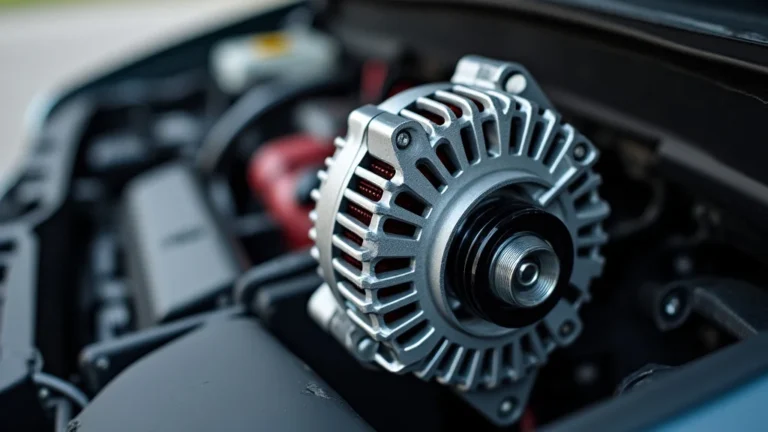
The alternator is a very important part of your car’s electrical system. It provides power while the engine is running and charges the battery. If the alternator isn’t working, your car’s battery will drain, and the car won’t start for a second time, even if you did succeed to jump it. Here are some of the main aspects to look into.
Checking Alternator Functionality
If your car starts with a jump, but then dies soon after, the alternator is often the problem. You can do some simple checks to see if the alternator is charging the battery correctly.
- Battery Light: Does the battery light on the dashboard stay on after you start the engine? That can be a sign of an alternator problem.
- Voltage Test (Engine Running): Use a multimeter to measure the voltage across the battery terminals while the engine is running. It should be around 13.5 to 14.5 volts. Lower readings suggest the alternator isn’t charging.
- Load Test: Turn on headlights, the radio, and the air conditioning. If the voltage drops significantly, that can show the alternator is weak.
If the alternator is faulty, the battery will continue to drain. Then, the car will fail to start after a jump. Replacing the alternator is often the fix in such situations.
Impact of a Defective Alternator
A bad alternator affects multiple car functions. The lights will dim, the radio will cut out, and other electrical components will act up. Eventually, the car’s electrical system will shut down completely. This can cause you to be stranded if you’re driving somewhere.
An alternator also indirectly damages your battery. The battery won’t get charged properly, which shortens its lifespan. Regular inspections of the charging system are essential for keeping your car reliable.
Here’s a quick overview of potential scenarios related to a faulty alternator and its impact on your car:
| Symptom | Possible Cause | Solution |
|---|---|---|
| Car Starts, Dies Quickly | Faulty Alternator | Replace Alternator |
| Dim Headlights | Weak Alternator | Replace Alternator |
| Battery Light On | Alternator Not Charging | Replace Alternator |
| Multiple Electrical Issues | Alternator Failure | Replace Alternator |
Addressing Common Issues Beyond Basic Components
Sometimes, the problem goes beyond the battery, starter, and alternator. Here are a few less common, but important, potential causes when the jump starter works but car still won’t start.
Considering the Car’s Security System
Modern cars have anti-theft systems that can prevent the engine from starting if the system detects an issue. If the security system is triggered, it will cut off the fuel or ignition, or both. This makes it impossible to start the car, even with a jump.
- Check the Security Light: Look for a security light (often a car with a key symbol) on the dashboard. If the light stays on or flashes, that’s a sign of a problem.
- Try the Key Fob: Use your key fob to lock and unlock the car. Sometimes, this can reset the security system.
- Check the Key’s Battery: A low battery in your key fob can affect the security system. Try replacing the key fob battery.
If the security system is active, the engine may crank but not start. It could also prevent the engine from cranking at all. Refer to your car’s manual for specific instructions.
Examining the Engine Control Unit (ECU)
The ECU (also known as the Engine Control Unit) is the computer that controls the engine. If the ECU has a problem, it might not send the correct signals to the engine, resulting in a no-start condition. Although unlikely, this may happen.
- Check for Water Damage: Water damage can harm the ECU. Look for any signs of water intrusion near the ECU.
- Inspect the Wiring: Loose wires or corrosion in the ECU’s connectors can cause malfunctions. Inspect the wiring for any damage or bad connections.
- Professional Diagnosis: If you suspect an ECU issue, it’s best to have a professional diagnose the problem. A specialist might know how to troubleshoot an issue.
The ECU’s influence on the car’s functions means that any failures will prevent the engine from starting. ECU issues are rare, but it’s something to investigate if nothing else seems to work.
Frequently Asked Questions
Question: Why does my car start with a jump, but then die soon after?
Answer: This likely means your alternator is not charging the battery. The jump start provides enough power to get the car going, but the alternator isn’t producing the electrical power to keep it running.
Question: Can a faulty starter motor drain the battery?
Answer: Yes, a faulty starter motor can drain the battery. If the starter motor is constantly trying to engage or is stuck in a position that pulls a lot of electrical current, it can quickly drain the battery.
Question: What should I do if the car makes a clicking sound when I turn the key?
Answer: A clicking sound usually means the starter motor is not getting enough power. Check the battery connections for corrosion, and make sure the battery has enough charge. It can also indicate an issue with the starter motor itself or the starter relay.
Question: How often should I replace my car battery?
Answer: Car batteries typically last 3-5 years. The lifespan depends on factors like climate, driving habits, and the quality of the battery. Get the battery tested by a professional to ensure your car works efficiently.
Question: Can I use a jump starter on any car?
Answer: Most jump starters work on any car. Be sure to check your jump starter’s instructions and power ratings to make sure it is suitable for your vehicle. Incorrect usage can damage your car.
Final Thoughts
If your jump starter works but car still won’t start, you’re not alone, and it doesn’t mean you need to panic. We’ve explored the most common reasons why this happens, from battery issues and starter problems to fuel system failures and even security system hiccups. By carefully inspecting these different areas, you can find the root cause of the problem. Remember, checking things methodically, step by step, helps you find the issue and avoid spending time and effort. Consider all the parts of the electrical system, from the battery to the alternator, and also look at fuel-related problems. If you’re not comfortable doing the work, it’s always a good idea to consult a professional mechanic. The more you know about your car, the easier it is to keep it running smoothly. Armed with this knowledge, you are ready to tackle those starting problems and get back on the road. Drive safe!