What Does Cranking Amps Mean? A Simple Guide for Beginners
Figuring out what does cranking amps mean can feel confusing, especially when you’re just starting. It’s a common question, like trying to understand how your car battery works. Don’t worry, it’s not as tough as it sounds! This guide will break it down into easy steps. We’ll explore the basics without overwhelming you. Get ready for a straightforward explanation of cranking amps and how it relates to your car.
Breaking Down Cranking Amps
When you’re trying to figure out what does cranking amps mean, you’re looking at a measurement linked to your car battery. Cranking amps, or CA, indicate how much current a battery can provide for 30 seconds at 32 degrees Fahrenheit (0 degrees Celsius). This is the power needed to start your car’s engine. A higher CA means the battery can deliver more power, especially in colder temperatures. The main job of a car battery is to start the engine, and CA is a critical factor in how well it does that. Knowing CA helps you pick the right battery for your vehicle and ensure it can start reliably.
What Exactly Are Amps?
Amps, short for amperes, measure the electric current flowing through a circuit. Think of it like water flowing through a pipe. The more amps, the more electricity is flowing. In a car, amps are crucial. They power everything from the starter motor to your lights and radio. Understanding amps is basic to grasping the concept of cranking amps and how your car’s electrical system operates. Knowing about amps helps you assess the power your car needs to run smoothly.
- Amps measure the rate of electrical current.
- Higher amps mean more electrical power available.
- Amps are essential for starting your engine.
In simple terms, amps measure the speed of electricity flow. When you turn the key in your car, the battery sends a surge of amps to the starter motor. This surge is what gets the engine turning. The more amps your battery can provide, the easier it will be to start the car, especially when it’s cold. The battery has to produce a large flow of amps in order to get the engine running. Without enough amps, your car won’t start.
The Role of Cold Cranking Amps (CCA)
Cold Cranking Amps, or CCA, are another important rating related to car batteries. CCA measures the battery’s ability to provide current at 0 degrees Fahrenheit (-18 degrees Celsius) for 30 seconds. This is more relevant in colder climates, where batteries have a harder time providing power. CCA is often what you’ll see listed on a car battery. Choosing a battery with a high CCA rating is especially crucial if you live somewhere with cold winters, as it ensures your car can start reliably. Knowing the CCA will influence your battery choice.
- CCA is tested at a colder temperature than CA.
- Higher CCA helps with starting in cold weather.
- CCA is a key spec for car battery selection.
CCA matters because cold temperatures reduce a battery’s performance. The chemical reactions inside the battery slow down, making it harder to produce amps. A high CCA rating means the battery is built to handle these conditions. In very cold weather, a battery might lose a significant amount of its power. CCA helps make sure there’s enough power available to start the engine. So, when purchasing a new car battery, checking the CCA rating can be the best way to ensure the battery will perform well.
Cranking Amps in Action: Why It Matters
Knowing what does cranking amps mean helps you pick the right battery. A battery with adequate cranking amps is critical for your car. Too few, and your car won’t start reliably, especially in the cold. Too many, and it probably won’t hurt, but you’ll pay more than you need to. Choosing the right CA or CCA rating can save you headaches and guarantee your car starts. It’s like finding the perfect shoe size; you want a good fit.
Matching Battery Power to Your Car
Each car needs a battery with a certain power level, measured by cranking amps. The engine size, type, and age of your vehicle influence this requirement. You’ll find the recommended CA or CCA rating in your car’s manual. This is a good starting point. If you live in a cold area, consider a battery with a higher CCA. Matching the battery’s power to your car’s needs ensures optimal performance and a long battery life. Checking your owner’s manual will provide you with the information you need. Don’t simply grab the cheapest battery at the auto store. Take the time to identify the right battery for your vehicle.
- Larger engines need more cranking amps.
- Older cars may need more power.
- Check your owner’s manual for recommendations.
Smaller engines often require fewer cranking amps. Larger engines, especially those in trucks and SUVs, need more power to get started. Older cars, which may have worn-out starters or other components, sometimes need more amps than newer models. Your owner’s manual is your best guide, but if you’re uncertain, you can always ask a mechanic. They can help you pick the best option. Knowing the right number will ensure your car starts smoothly.
Troubleshooting Starting Problems
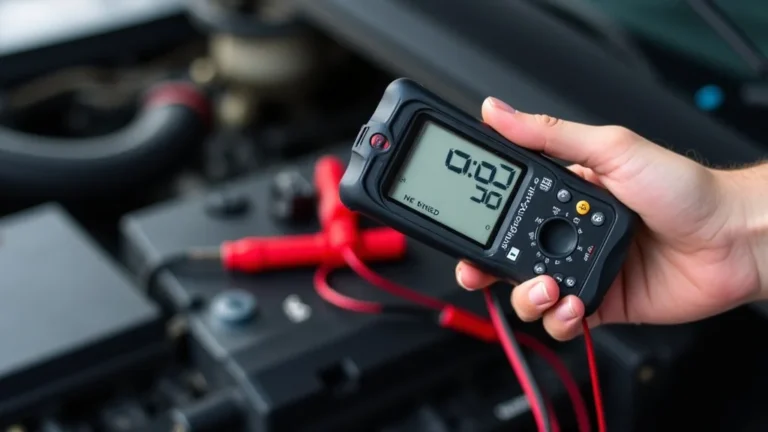
If your car struggles to start, the battery might be the problem. Low cranking amps or a failing battery can cause this. Common symptoms include a slow engine crank, clicking noises when you turn the key, or a completely dead car. Check the battery’s terminals for corrosion, which can reduce the flow of current. Test the battery’s voltage to see if it’s holding a charge. If the battery is old or fails these tests, it’s time for a replacement. Always rule out other potential problems, like a faulty starter motor. If the battery doesn’t have sufficient cranking amps, the car might not start at all.
- The engine cranks slowly when starting.
- You hear clicking sounds but the engine doesn’t start.
- The car won’t start, even when the key is turned.
Other problems can mimic a battery issue. A bad starter motor might also cause starting troubles, so it’s essential to troubleshoot properly. A qualified mechanic can accurately diagnose the problem. The correct battery can ensure your car starts smoothly. Make sure the battery has the right power for your car.
The Impact of Temperature on Cranking Amps
Temperature plays a huge role in how a car battery performs. As mentioned earlier, cold temperatures reduce the amount of available power. Extreme heat can also damage a battery. Understanding how temperature impacts cranking amps is vital, especially if you live in an area with harsh weather conditions. Temperature has a big influence on the battery’s efficiency. Learning the temperature implications will ensure the best performance.
How Cold Affects Car Batteries
Cold weather slows the chemical reactions inside a battery. This reduces the battery’s ability to produce current. A battery that has a high CA or CCA rating will perform better in cold temperatures. Batteries lose power as the mercury drops. If your battery is already old or weakened, cold temperatures can make starting your car nearly impossible. If you live somewhere with cold winters, investing in a battery with a high CCA rating is a wise decision. Make sure you get the right battery for the season.
- Cold reduces battery power.
- High CCA helps in cold weather.
- Extreme cold can make starting hard.
Cold weather can significantly reduce a battery’s efficiency. This is because the chemical reactions inside the battery slow down. This is the reason why batteries often fail in the winter. A battery that might work fine in the summer could struggle to start a car in freezing temperatures. Investing in a battery with a high CCA rating is a good idea. This is especially true if you live in a cold climate. The higher the CCA, the better your chances of starting your car when the temperature drops.
The Effects of Heat on Battery Life
Extreme heat can also damage car batteries. High temperatures speed up the chemical reactions inside the battery. This causes the battery to lose water and corrode its internal components. This process shortens the battery’s lifespan. Regularly checking your battery and its terminals is important, especially in hot climates. Avoid parking your car in direct sunlight for extended periods to reduce heat exposure. Protect the battery from extreme temperatures to prolong its life. Heat can significantly impact the battery’s function.
- Heat can shorten battery life.
- High temperatures can cause corrosion.
- Avoid parking in direct sunlight.
Heat can also lead to battery damage. High temperatures can cause the water inside the battery to evaporate. This process can damage the internal components. This ultimately reduces the battery’s lifespan. Parking your car in the shade or a garage is one way to protect it. Regular battery maintenance can help. This includes checking for corrosion and making sure the battery is securely mounted. Preventing heat damage will help the battery work better for longer.
Selecting the Right Battery and Maintaining It
Knowing what does cranking amps mean helps you make informed choices. Selecting the right battery and taking care of it will ensure that your car starts every time. Proper battery maintenance ensures that your car will start and also protects your car’s electrical components. It’s a key step in keeping your car running smoothly. Taking the proper steps helps avoid problems and saves money on battery replacement costs.
Choosing a Battery with the Right CA or CCA
When picking a battery, consider your car’s specifications and where you live. Your car’s manual will tell you the recommended CA or CCA rating. If you live in a cold area, select a battery with a higher CCA. Always choose a battery that matches or exceeds the manufacturer’s recommendations. This will guarantee your car will start in various conditions. You can avoid unnecessary problems if you choose the right battery. Consider your climate when making your battery decision.
- Use your owner’s manual for guidance.
- Consider the climate in your area.
- Choose a battery that meets or exceeds the recommendations.
The owner’s manual is a great resource. You’ll also want to consider your local climate. This will help you decide if you need a higher CCA rating. If you’re unsure, ask a mechanic. They can help you choose the best battery for your vehicle. Selecting a battery with the correct CA or CCA will help you avoid starting problems. It is a good practice to review your vehicle’s specs.
Proper Battery Maintenance Tips
Regular maintenance ensures your battery functions well and lasts longer. Inspect the battery terminals for corrosion, which can affect its performance. Keep the terminals clean and tighten the connections. Check the battery’s water level if it’s a flooded lead-acid battery. Make sure the battery is securely mounted to prevent vibration damage. These simple tasks can extend your battery’s life and save you money. These basic maintenance steps will have a positive impact on your car’s battery life.
- Clean and inspect battery terminals regularly.
- Keep connections tight and corrosion-free.
- Check the water level of flooded batteries.
Regular maintenance is important for all types of batteries. Cleaning corrosion off the terminals is very easy. Make sure the connections are secure. If you have a flooded lead-acid battery, make sure to check the water level. Following these steps helps keep your battery in good shape. It also extends its lifespan. Taking care of your car battery is easy and can save you money.
| Maintenance Task | Frequency | Reason |
|---|---|---|
| Clean terminals | Every few months | Prevent corrosion buildup |
| Check water level (flooded batteries) | Every month | Ensure proper electrolyte levels |
| Check connections | Every few months | Ensure tight and secure connections |
Frequently Asked Questions
Question: What is the main job of a car battery?
Answer: The primary job of a car battery is to start the engine by providing the necessary electrical current to the starter motor.
Question: Why is CCA important?
Answer: CCA, or Cold Cranking Amps, is crucial because it indicates a battery’s ability to start an engine in cold weather conditions.
Question: How do I know what size battery my car needs?
Answer: Check your car’s owner’s manual or look for the battery specifications listed on your current battery. A mechanic can also assist.
Question: What happens if I use a battery with too few cranking amps?
Answer: A battery with too few cranking amps may struggle to start your car, especially in cold weather, or may not start it at all.
Question: How often should I replace my car battery?
Answer: Car batteries typically last from three to five years, but this can vary depending on usage, climate, and maintenance.
Final Thoughts
We’ve looked closely at what does cranking amps mean, exploring its role in starting your car and the factors that influence it. We’ve learned the difference between cranking amps (CA) and cold cranking amps (CCA). We’ve seen how temperature affects a battery’s performance and the significance of choosing the right battery for your vehicle. Remember to check your owner’s manual and consider your climate when selecting a battery. Proper maintenance, like cleaning terminals and checking connections, will help extend the life of your battery. Now, you should feel more confident in maintaining your car’s power source. Regular care and the proper battery will keep you on the road.