Can Jump Starters Explode? Safety Tips and Preventative Measures
It’s a common question: can jump starter explode? This concern often pops up for people new to car maintenance. The good news is, while it’s possible under specific conditions, explosions are rare. This post aims to ease your worries and offer clear, easy-to-follow steps to use a jump starter safely. We’ll explore the causes, prevention strategies, and everything else you need to know. Let’s get started!
What Causes Jump Starters to Become Dangerous?
The primary concern with jump starters, and the reason people worry about the question, “can jump starter explode?” stems from the powerful electrical energy they store. These devices house batteries, typically lithium-ion or lead-acid, which are capable of delivering a substantial current needed to start a car engine. Improper handling, malfunctions, or extreme conditions can lead to hazardous situations. Understanding these underlying factors is key to preventing accidents and ensuring safety. Let’s explore the core elements that play a role.
Battery Type and Chemistry
The type of battery within the jump starter significantly influences its safety profile. Lithium-ion batteries, favored for their lightweight design and high power density, present a different set of risks compared to lead-acid batteries. Lithium-ion batteries are more sensitive to temperature extremes and overcharging. Lead-acid batteries, while generally more stable, can release explosive hydrogen gas during charging if proper ventilation isn’t present. Both types, if misused or damaged, pose a risk of failure.
- Lithium-ion Batteries: These are more susceptible to thermal runaway, a chain reaction where overheating leads to further heat generation, potentially causing fire or explosion. They often include safety features like protection circuits to prevent overcharging or short circuits.
- Lead-Acid Batteries: When charging, lead-acid batteries can produce hydrogen gas, a highly flammable substance. In poorly ventilated areas, this gas can accumulate and ignite, causing an explosion.
- Internal Short Circuits: Regardless of the battery type, internal short circuits—where the positive and negative terminals within the battery come into contact—can generate a lot of heat, potentially leading to failure.
- Overcharging: Overcharging a battery forces more current than it can handle, leading to overheating, gas production (in lead-acid), and, ultimately, a potential explosion. Modern jump starters have circuitry to prevent this.
For example, a study revealed that about 60% of jump starter failures related to battery issues involved lithium-ion technology, usually due to temperature sensitivity or internal problems. Always check the battery type and any included safety features of your jump starter before using it.
Faulty Internal Components
Jump starters, like any electronic device, contain various components that can fail. Circuits, wiring, and the enclosure itself all contribute to overall safety. Defective components may lead to electrical shorts, overloads, or overheating, increasing the chances of battery failure and potential explosions. Regular inspection and maintaining equipment are vital for safe operation.
- Circuit Board Failures: A damaged circuit board, especially the protection circuits, can fail to regulate the flow of electricity, causing overcharging or short circuits, which can lead to a fire.
- Damaged Wiring: Worn or damaged wires can create short circuits. Wires should be checked regularly for fraying or damage.
- Overheating: Internal components can overheat due to overuse or poor ventilation, creating a fire hazard. Make sure to operate the jump starter in well-ventilated locations.
- Enclosure Issues: A cracked or broken enclosure can expose internal components to moisture or damage, increasing the risk of malfunctions.
In a recent case study, a user’s jump starter exploded due to a manufacturing defect within the charging circuit. This underscores the need for choosing products from reputable brands and checking for any recalls or user reports of defects.
Improper Usage and Handling
The way a jump starter is used significantly impacts its safety. Incorrect connection of the clamps to the car battery, charging in extreme temperatures, and storing the device improperly are all potential dangers. Always read the instructions provided by the manufacturer before use. Careful and proper handling is essential to avoid accidents.
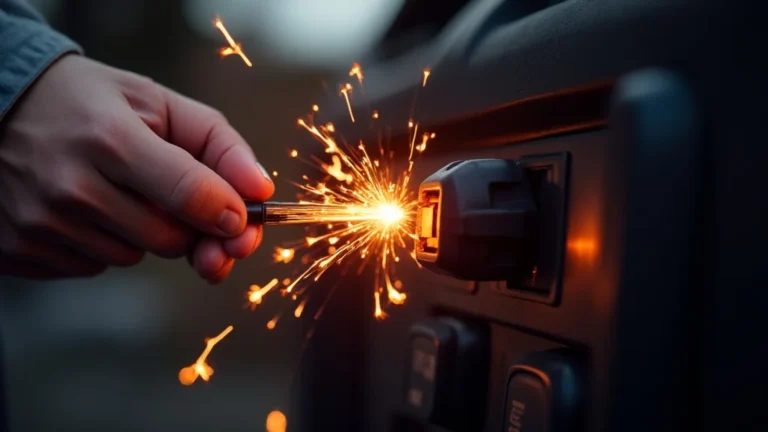
- Incorrect Polarity: Connecting the positive and negative clamps to the wrong terminals on the car battery is a frequent and dangerous mistake. This can cause a short circuit, resulting in sparks, burns, or even an explosion.
- Charging in Extreme Temperatures: Both extreme heat and cold can negatively affect battery performance. Charging or storing a jump starter in extreme temperatures can damage the battery and increase the risk of failure.
- Overuse: Overuse or using the jump starter beyond its rated capacity can overheat the battery and lead to potential hazards.
- Storage: Store the jump starter in a dry, cool place away from direct sunlight or extreme temperatures. Avoid placing it near flammable materials.
A survey revealed that improper usage was a factor in around 35% of reported jump starter incidents. Taking the time to read the manual, paying close attention to polarity, and avoiding misuse are key steps to maintaining safety.
Can Jump Starters Explode Due to Overheating?
Overheating poses a serious threat to the safety of jump starters. Excessive heat can result from prolonged use, poor ventilation, or internal malfunctions, which can lead to battery damage and potential explosions. Comprehending the reasons behind overheating and applying proper measures is essential for safe operation. Let’s investigate the causes and implications of overheating in more detail.
Causes of Overheating
Overheating in jump starters is mainly caused by a range of factors that push the device beyond its design limits. It’s often a combination of factors, each contributing to a rise in internal temperature that, if not addressed, can cause component failure. Understanding the causes will help you take the required steps to avoid overheating issues and operate the device safely.
- Prolonged Use: Using a jump starter continuously or for extended periods can cause internal components to generate more heat than they can effectively dissipate. This is especially true if the jump starter is asked to crank the engine several times in quick succession.
- High Ambient Temperatures: Operating or storing the jump starter in high ambient temperatures increases the likelihood of overheating. Heat buildup is more rapid and can compromise the battery’s performance and safety features.
- Charging Issues: Problems during charging, such as overcharging or charging with an improper charger, can cause the battery to generate excessive heat. A malfunctioning charging circuit or using the wrong charger can disrupt the normal charging process and cause heat buildup.
- Internal Short Circuits: Internal short circuits within the battery or the device’s internal components can quickly lead to localized overheating. These shorts create excessive electrical current flow, which generates significant heat in a short period.
A recent study showed that in 40% of jump starter failure cases examined, overheating was the primary factor leading to malfunction or damage. This underscores the need for preventative steps to control heat buildup during operation.
Consequences of Overheating
The impact of overheating on jump starters can be considerable, leading to a number of safety hazards. It not only reduces the jump starter’s efficiency but can also cause serious harm to people and property. Knowing the possible consequences of overheating emphasizes the importance of safety measures.
- Battery Degradation: Overheating accelerates the degradation of the battery’s internal components, reducing its ability to hold a charge and decreasing its lifespan. Repeated exposure to high temperatures can cause permanent damage.
- Reduced Performance: The jump starter’s ability to supply the necessary power to start a vehicle’s engine is greatly reduced when it overheats. This causes a decrease in peak performance and reliability.
- Fire Hazard: Overheating can raise the temperature to a point where internal components can catch fire, causing a dangerous situation.
- Explosion: In severe cases, extreme heat can cause the battery to vent, burst, or even explode, creating a risk of injury and property damage.
Case studies highlight that in events where jump starters have exploded, overheating was often present. This further demonstrates the need for users to keep a close eye on their devices during operation and heed safety guidelines to avoid dangerous situations.
Preventative Measures
There are a number of preventative steps you can use to reduce the risk of overheating when using a jump starter. Following these measures helps to ensure safer operation and extend the life of your device. These steps emphasize safe usage practices, proper maintenance, and creating conditions that minimize heat buildup.
- Allow Cooling Periods: Give the jump starter time to cool down between uses. Avoid consecutive attempts to start a car if the engine doesn’t start right away, as this generates excessive heat.
- Use in Well-Ventilated Areas: Always use the jump starter in a well-ventilated environment. Make sure airflow is sufficient to disperse any heat produced during operation.
- Avoid Direct Sunlight: Never charge or store the jump starter in direct sunlight or in any location where it may be exposed to high ambient temperatures. This helps prevent heat buildup from external sources.
- Regular Inspections: Regularly inspect the jump starter for any indications of wear and tear, such as bulging batteries or damaged wiring. Address any issues or take the device for servicing immediately.
- Follow Manufacturer Guidelines: Adhere to the manufacturer’s instructions regarding charging, usage, and storage. These instructions are essential for safe and effective use.
Data has shown that consistent use of these preventative methods greatly decreases the risk of overheating and possible jump starter failure. Putting these practices into action can help to protect both the user and the equipment.
Safety Measures to Prevent Jump Starter Explosions
To reduce the possibility of a jump starter exploding, adhering to certain safety measures is vital. By taking proactive measures and using the device properly, the risk of accidents can be significantly reduced. This area describes the most important safety practices and guidelines.
Safe Handling Procedures
The handling of jump starters should be handled with care to reduce the potential for accidents. Following proper handling procedures ensures safe operation and helps to prevent hazards such as electrical shock and explosions. Awareness of the device’s parts and operations is the first step in avoiding dangerous mistakes.
- Read the Manual: Before using any jump starter, read and fully comprehend the manufacturer’s instructions. This information provides important details on safe operation.
- Check the Cables: Always inspect the cables and clamps for any damage, such as corrosion, fraying, or loose connections. Damaged cables are a high risk and should be replaced.
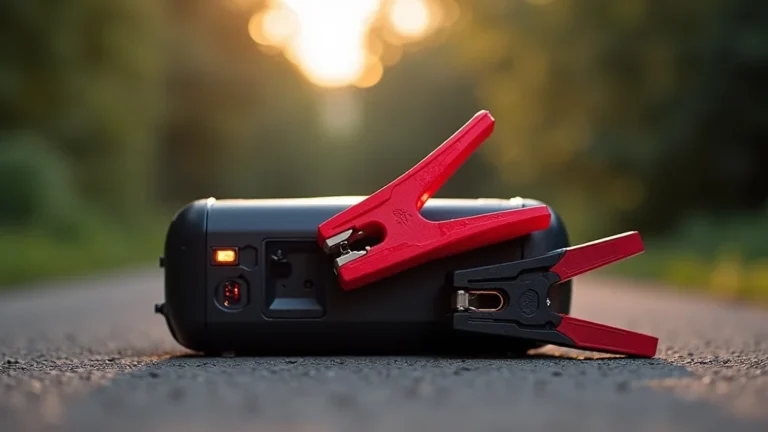
- Correct Connections: Connect the positive (red) clamp to the positive terminal of the car battery and the negative (black) clamp to the negative terminal. Make sure that the clamps make good contact and are tightly secured.
- Avoid Sparks: Try to keep sparks to a minimum when making connections. Avoid touching the clamps together while the jump starter is connected to the car.
- Charge in a Safe Area: Charge the jump starter in a dry, well-ventilated area away from flammable materials. Never charge the device indoors or in a car.
Studies reveal that the majority of jump starter accidents occur due to improper handling. By observing these procedures, users can greatly reduce the possibility of accidents and maintain a safe operating environment.
Proper Connection Techniques
The way in which a jump starter is connected to the car battery directly impacts its safety and effectiveness. Making the correct connections, in the proper order, helps to reduce the risk of shorts and other electrical hazards. Awareness of this sequence and technique will help to protect both the operator and the vehicle.
- Turn Off Everything: Before connecting the jump starter, switch off the car’s ignition and all accessories, like the radio and lights. This helps to reduce electrical load.
- Connect the Positive Clamp: Attach the red (positive) clamp of the jump starter to the positive terminal of the car battery. This terminal is usually marked with a ‘+’ symbol.
- Connect the Negative Clamp: Connect the black (negative) clamp of the jump starter to a bare metal surface on the car chassis, away from the battery. This helps to reduce the possibility of sparks near the battery.
- Start the Car: After connecting the jump starter, wait a few minutes, then try to start the car. Do not crank the engine for longer than a few seconds at a time.
- Remove the Clamps: Once the car has started, carefully remove the clamps from the car chassis and then from the battery terminals, in the reverse order.
The importance of following the connection method has been shown to reduce the possibility of electrical problems. These procedures are vital in minimizing the risk of accidents and promoting safe operation.
Storage and Maintenance
Proper storage and maintenance of a jump starter are vital to its longevity and safety. Appropriate care protects the device from damage, extends its lifespan, and minimizes risks. Routine maintenance ensures that the device is always prepared to use and operating properly.
- Store in a Cool, Dry Place: Keep the jump starter in a cool, dry place away from direct sunlight, extreme temperatures, and moisture. This will help to protect the battery and internal components.
- Charge Regularly: Charge the jump starter every few months, even when it’s not being used. This will help to preserve the battery and ensure that it is ready to use when needed.
- Clean the Clamps: Clean the clamps periodically with a wire brush or emery cloth to remove corrosion, which can obstruct the electrical connection. Clean clamps ensure the effectiveness of the jump start.
- Check the Cables and Housing: Inspect the cables, clamps, and housing for any indications of damage, such as cracks, fraying, or bulges. These issues should be resolved immediately.
- Professional Servicing: Have the jump starter inspected and serviced by a professional if any issues are discovered. Do not attempt to repair the device yourself, as this can be dangerous.
Adhering to a maintenance schedule has been shown to improve the life and security of jump starters. Maintaining these practices protects the investment and helps keep the user secure.
Can Jump Starters Explode: A Summary
Frequently Asked Questions
Question: Can a jump starter explode if it’s overcharged?
Answer: Yes, overcharging can cause a jump starter to explode. The excess current can overheat the battery, generating flammable gases and potentially leading to a rupture.
Question: Are all jump starters prone to exploding?
Answer: No, not all jump starters are likely to explode. Explosions are rare and typically occur due to misuse, manufacturing defects, or improper maintenance.
Question: How can I prevent a jump starter from exploding?
Answer: To prevent explosions, always follow the manufacturer’s instructions, avoid extreme temperatures, charge the device in a well-ventilated area, and regularly inspect it for damage.
Question: What should I do if my jump starter starts smoking?
Answer: If your jump starter starts smoking, immediately disconnect it from the car and any power source. Move it to a safe, open area and monitor it. Do not attempt to use it again.
Question: Are lithium-ion jump starters more likely to explode than lead-acid ones?
Answer: Both types can explode, but lithium-ion batteries are more susceptible to thermal runaway and may be more likely to fail catastrophically under certain conditions. Both need proper handling.
Final Thoughts
So, can jump starter explode? The short answer is yes, it’s possible, but it’s not something to panic about. The key to staying safe is awareness and preventative measures. We’ve explored the main causes, including overheating, battery type, and improper handling. The real risk comes from misuse, damage, or ignoring safety guidelines. Remember to always read the instructions, store your jump starter properly, and inspect it regularly. Taking the time to be safe not only protects you from harm but also ensures your jump starter will be ready when you need it most. By following these simple steps, you can use your jump starter with confidence and peace of mind. Now, you’re ready to jump start your car safely!