Is a 1000 Amp Jump Starter Sufficient For Your Needs?
Figuring out if is 1000 amp jump starter enough can be tricky when your car won’t start. You’ve probably seen jump starters and wondered if the numbers mean anything. Don’t worry, it’s easier to understand than you think. We’ll break down everything you need to know, from how jump starters work to choosing the right one for your vehicle. We’ll explore the main factors affecting your decision, starting with the basics.
What a Jump Starter Does for Your Car
A jump starter is like a portable battery that can give your car a boost. It’s especially useful when your car’s battery dies, leaving you stranded. When you connect a jump starter, it sends a surge of power to your car’s battery, allowing your engine to start. Think of it as a temporary power source to get things going. Jump starters can save you time and hassle, especially if you don’t have another vehicle around to jump-start from.
How Jump Starters Work
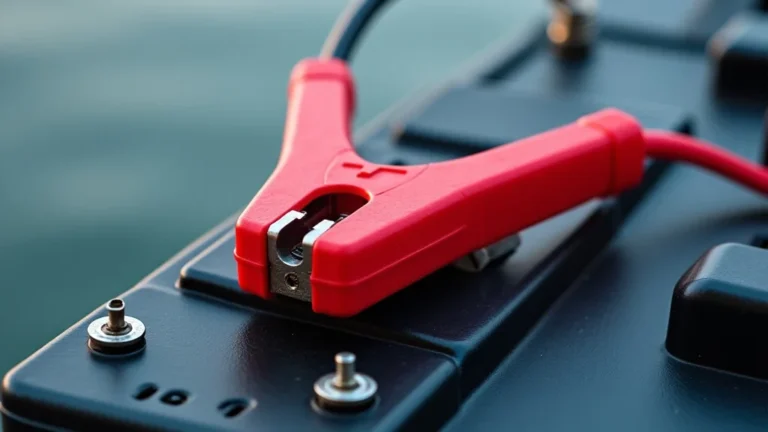
Jump starters store energy, usually in a lithium-ion battery. They have clamps that connect to your car’s battery terminals. When you turn on the jump starter, it sends power through the clamps and into your car’s battery system. Modern jump starters often include safety features like reverse polarity protection, which prevents damage if you connect the clamps incorrectly. They also typically have short-circuit protection, preventing a dangerous surge of power.
- Charging Mechanism: Most jump starters can be charged using a wall outlet or a car charger. A fully charged jump starter is essential to give your car enough power. The time needed to fully charge the jump starter can vary, so always check the manufacturer’s instructions.
- Power Output: Jump starters are rated based on the amount of current they can deliver, measured in amps. This rating helps you determine if the jump starter is suitable for your vehicle. A higher amp rating means the jump starter can provide more power, which is important for larger engines.
- Safety Features: Good jump starters include safety features to protect both you and your car. Reverse polarity protection is a critical one, as it prevents damage if the clamps are connected the wrong way. Overcharge protection prevents the jump starter’s internal battery from being damaged by overcharging.
Jump starters also come in different sizes and with various features. Some have built-in flashlights, USB ports for charging devices, and even air compressors. Consider your needs and choose a jump starter that has the features you find valuable. This will enhance its usefulness beyond just jump-starting your car. The right jump starter can be a handy tool in your vehicle for emergencies.
Deciding if 1000 Amps Is Enough
The main factor for answering is 1000 amp jump starter enough, is the size and type of your vehicle’s engine. A 1000-amp jump starter can handle many cars, but it might not be enough for larger trucks, SUVs, or vehicles with larger engines. Let’s explore how to figure out what’s best for your situation. You’ll need to think about your car, what it needs, and the power of the jump starter.
What Your Car Needs to Start
The amount of power your car needs to start depends on the engine size, the type of engine, and the temperature. Larger engines, like those in trucks and SUVs, need more power than smaller engines. Cold weather also increases the power needed because it makes the engine harder to crank. Check your car’s manual or the battery label to find information on the required cold cranking amps (CCA). This figure will guide you on the right jump starter for your car.
- Engine Size: Generally, larger engines need more cranking amps. A small car with a 4-cylinder engine may need fewer amps than a truck with a V8 engine.
- Cold Weather: Cold temperatures can make it harder for your engine to start. Your car’s battery has less power in cold weather. This increases the amps needed.
- Battery Condition: A weak battery may need a stronger jump to start. If your battery is old or damaged, it might require more cranking amps than usual.
Understanding these needs ensures you choose a jump starter that can reliably start your vehicle. Choosing the right jump starter is about having enough power available when you need it. Consider that using too little power can damage the starter or not start the car. But using too much power is generally not a concern, as jump starters have built-in safeguards to manage the output.
Vehicle Types and Jump Starter Requirements
Different types of vehicles have different power needs. Cars with smaller engines often require fewer amps than larger vehicles. As a general guide, sedans and small SUVs often do well with a 1000-amp jump starter. Trucks and larger SUVs might need a jump starter with a higher amp rating. Always compare your car’s needs to the jump starter’s specifications.
- Sedans and Small SUVs: These typically have smaller engines and often need around 400-600 CCA to start. A 1000-amp jump starter is usually sufficient for these types of vehicles.
- Trucks and Large SUVs: These vehicles usually have larger engines. They may require a jump starter with a higher amp rating. Look for a jump starter with at least 1000 amps, or even 1500 amps or more for larger engines.
- Motorcycles: Motorcycles need fewer amps than cars. A jump starter with a lower amp rating, like 400-600 amps, can work fine. Ensure the jump starter is designed for motorcycle batteries.
Consider the maximum amp output for trucks that pull heavy loads. For example, a heavy-duty truck might need a 2000-amp jump starter or higher. The more power the jump starter has, the better chance it has of starting your car. Check the vehicle manual and battery label, then compare with the jump starter’s specs to make the right choice.
Examining 1000 Amp Jump Starters
1000 amp jump starters are a popular choice because they provide a good balance of power and portability. They are often suitable for a wide range of vehicles. Let’s look at their typical features, advantages, and possible downsides. You will see whether the performance aligns with your needs.
Features of a 1000 Amp Jump Starter
A 1000 amp jump starter usually comes with several features that add convenience and safety. Modern jump starters often include built-in safety features like reverse polarity protection and short-circuit protection. These features make it easier and safer to use. You’ll also often find helpful extras.
- Built-in Flashlight: Many include a flashlight, which is useful when jump-starting in low-light conditions.
- USB Charging Ports: Some jump starters have USB ports for charging phones and other devices.
- LCD Display: Some models include an LCD display that shows the battery’s charge level and other information.
- Multiple Jump Start Attempts: Good jump starters let you try jump-starting your car more than once on a single charge.
These features combine to create a useful and reliable tool. Remember to choose a model with the features that are most useful to you. Safety and convenience should be your priorities when picking a 1000 amp jump starter.
Pros and Cons of a 1000 Amp Starter
A 1000 amp jump starter is a smart option for many drivers, but it’s worth considering both the benefits and the downsides. Here is a balanced look at the pros and cons to see if it suits your needs. Consider these points when deciding.
- Pros:
- Suitable for many vehicles, including sedans and small SUVs.
- Offers a good balance of power and portability.
- Often includes useful features like flashlights and USB ports.
- Cons:
- Might not be enough power for large trucks and SUVs with bigger engines.
- Not always ideal for extreme cold weather conditions.
To give you a better idea of what to expect, a 1000 amp jump starter can effectively start a car in various conditions. In many tests, a 1000 amp jump starter easily started cars with 4-6 cylinder engines. However, in cold weather, performance could decrease, especially on larger engines. You’ll also want to consider that these starters may take several attempts to start a car with a completely dead battery. Evaluate your typical driving conditions and vehicle to make the best choice.
Alternative Jump Starter Options
If a 1000 amp jump starter isn’t the perfect fit, there are other options to consider. From higher amp models to battery chargers, you have different choices. Consider the type of vehicles you commonly jump, the temperatures you drive in, and the features you need. This exploration helps you select the best tool.
Jump Starters with Higher Amp Ratings
Jump starters with higher amp ratings offer more power. This is helpful for trucks, SUVs, and other vehicles with large engines. You’ll find jump starters available with 1500 amps, 2000 amps, or even higher ratings. Although these models are generally more expensive, they can provide a much better guarantee of starting your vehicle. This assurance can be worth the extra cost, especially in extreme situations.
- 1500 Amp Jump Starters: Suitable for most trucks and SUVs, offering a significant power boost.
- 2000+ Amp Jump Starters: Designed for heavy-duty vehicles, such as commercial trucks and vehicles with very large engines.
- Considerations: Higher amp models are often larger and heavier. Make sure it still fits easily in your vehicle.
Consider the average temperature and engine size. A vehicle used in freezing conditions will demand more power than one used in a warm climate. A 2000-amp jump starter will guarantee enough power in nearly any situation. The extra power will give you peace of mind knowing you are ready for any situation. The higher the amp rating, the more likely you are to be ready for any type of vehicle or situation.
Battery Chargers and Jump Starters Combined
Some devices combine a battery charger and a jump starter. These offer the ability to recharge your car’s battery and jump-start it if needed. These combo units provide versatility. They can be a great investment if you want a complete battery care solution.
- Features: Battery chargers usually have settings for different battery types. Jump starters add the option to provide a quick boost.
- Benefits: They help maintain your battery’s health and can revive a dead battery.
- Considerations: Combo units are generally bigger and heavier. They may not be as portable as a standalone jump starter.
These combo units can be useful if your car’s battery frequently dies. These units often feature advanced charging technologies. These units can help extend the life of your battery and prevent future problems. Although more expensive than a basic jump starter, the combined functionality often makes them worth the money. If you want a complete battery solution, consider a combined jump starter and charger.
Frequently Asked Questions
Question: How long does a 1000 amp jump starter take to charge?
Answer: The charging time for a 1000 amp jump starter can vary depending on the model and the charger used. Many jump starters take between 2 to 6 hours to fully charge using a standard charger. Always check the manufacturer’s instructions for specifics.
Question: Can I use a 1000 amp jump starter on any car?
Answer: A 1000 amp jump starter is suitable for most sedans and small SUVs. However, it may not be powerful enough for larger vehicles, such as trucks and larger SUVs with bigger engines, especially in cold weather.
Question: What safety features should I look for in a jump starter?
Answer: Look for reverse polarity protection, which prevents damage if you connect the clamps incorrectly. Also, look for short-circuit protection and overcharge protection to ensure safety during use. These features prevent damage to both the jump starter and your vehicle.
Question: How often should I recharge my jump starter?
Answer: Recharge your jump starter after each use and every few months, even if you haven’t used it. This helps maintain the battery’s health and ensure it is ready when you need it. Storing it fully charged helps with longevity.
Question: Can a jump starter damage my car’s electrical system?
Answer: Modern jump starters have safety features like reverse polarity protection to prevent damage. However, always connect the clamps correctly and follow the manufacturer’s instructions. Incorrect use or using a jump starter not designed for your vehicle could potentially cause harm.
Final Thoughts
Choosing the right jump starter can save you time and stress, and now you have a good answer to is 1000 amp jump starter enough. A 1000 amp model is a good starting point for many drivers. For smaller cars and SUVs, it offers sufficient power and portability. It’s also often equipped with useful features like flashlights and USB ports. However, for bigger vehicles or areas with cold weather, you may want to explore models with higher amp ratings. Weigh your needs against the features to pick what is best for you.
Consider your vehicle type and typical driving conditions. Check your car’s manual or the battery label to find the CCA requirements. If you regularly drive a truck or live in a cold climate, a jump starter with a higher amp rating might be a better idea. This way, you’ll have peace of mind knowing you’re prepared. If you’re unsure, it is always better to lean toward a higher amp rating to be on the safe side. Then, you can enjoy the confidence of knowing you’re ready for any battery emergency.