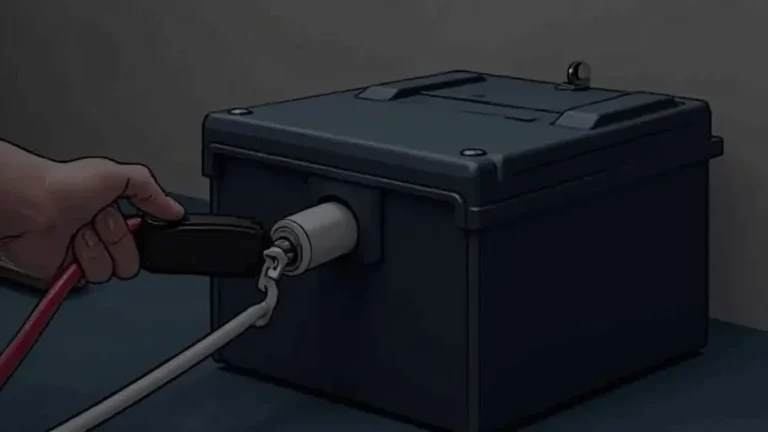
Learn How To Test Battery Drop Test The Right Way

Featured image for how to test battery drop test
Image source: publicdomainpictures.net
Mastering the battery drop test is crucial for accurately assessing your car battery’s true health and preventing unexpected failures. This essential diagnostic method involves measuring voltage under a simulated load to reveal its ability to deliver current effectively. A significant voltage drop during the test is a clear indicator that your battery is weak, ensuring you can proactively replace it for reliable starts and optimal system performance.
Hey there, fellow car enthusiast, or just someone who’s tired of their car not starting on a chilly morning! We’ve all been there, haven’t we? That gut-wrenching click-click-click when you turn the key, signaling that your battery has decided to call it a day. It’s frustrating, inconvenient, and often leaves you scrambling for a jump start or a new battery.
But what if you could proactively identify a weakening battery before it leaves you stranded? What if you could confidently assess its health and make informed decisions about its replacement? That’s where the unsung hero of battery diagnostics comes in: the battery drop test. It might sound a bit technical, but trust me, it’s a straightforward procedure that anyone can learn.
This comprehensive guide is designed to demystify the battery drop test, making it as easy to understand as chatting with a friend. We’ll walk through why it’s important, what tools you’ll need, and a simple step-by-step process. By the end, you’ll be able to perform a battery drop test like a seasoned pro, saving yourself future headaches and ensuring your vehicle is always ready to roll.
Key Takeaways
- Prioritize Safety: Always wear PPE like gloves and eye protection.
- Charge Fully First: Test only a 100% charged battery for accuracy.
- Connect Securely: Attach tester clamps firmly to correct terminals.
- Apply Load Correctly: Draw 50% of CCA for 15 seconds, then read.
- Monitor Voltage Drop: Voltage should not fall below 9.6V for a healthy battery.
- Interpret Results: Compare recorded voltage to battery CCA rating accurately.
- Allow Cooling: Prevent tester overheating; allow rest between repeated tests.
📑 Table of Contents
What Exactly is a Battery Drop Test?
Let’s kick things off by understanding what a battery drop test actually is. Imagine your car battery as a strong athlete. When it’s healthy, it can lift heavy weights without breaking a sweat. A standard voltage check (like with a multimeter) is like checking the athlete’s resting heart rate – it tells you something, but not how well they perform under stress.
The battery drop test, also known as a load test, is like putting that athlete on a treadmill and asking them to sprint. It applies a significant electrical load to the battery for a short period, mimicking the immense power draw your starter motor demands when you crank the engine. By observing how much the battery’s voltage “drops” under this stress, we can accurately gauge its ability to deliver the necessary current.
Beyond Simple Voltage Checks
You might be thinking, “Can’t I just use a multimeter to check the voltage?” While a multimeter is a useful tool for a quick glance at battery charge, it doesn’t tell the whole story. A battery can show a healthy 12.6 volts at rest but still be unable to deliver enough amperage to start your car. The battery drop test specifically reveals its cranking power and internal resistance, which are critical metrics.
Why Your Car Needs a Healthy Battery
Your car’s battery isn’t just for starting the engine. It powers all your vehicle’s electrical components – from the lights and radio to the onboard computer system. A weak battery can lead to sluggish starting, dim headlights, issues with electronic accessories, and even stress on other components like the alternator. Performing a regular battery drop test helps you catch these problems early, preventing more costly repairs down the line.
Tools You’ll Need for the Battery Drop Test
Alright, let’s gather our gear! You don’t need a professional workshop to perform a battery drop test. With a few key tools, you’ll be ready to assess your battery’s health right in your driveway.
The Star of the Show: The Load Tester
The most important tool for a battery drop test is a battery load tester. These devices come in various forms, from simple handheld models to more sophisticated digital ones. They typically have two clamps (red and black) to connect to your battery terminals and a meter or digital display to show the voltage under load. Some even have a built-in timer. You can find these at most automotive parts stores for a reasonable price.
Multimeter and Safety Gear
While the load tester does the main job, a multimeter can be handy for a preliminary voltage check. Beyond that, safety is paramount! You’ll need:
- Safety Glasses: Always protect your eyes from potential acid splashes or sparks.
- Gloves: Latex or nitrile gloves are good for keeping your hands clean and safe.
- Wire Brush (optional but recommended): For cleaning battery terminals if they’re corroded.
- Wrenches (optional): If you need to remove battery cables for cleaning.
Step-by-Step Guide: Performing the Battery Drop Test
Now for the hands-on part! Follow these steps carefully to perform an accurate and safe battery drop test.
Safety First!
Before you even touch your battery, put on your safety glasses and gloves. Ensure your vehicle is turned off, and the parking brake is engaged. Make sure you’re working in a well-ventilated area.
Preparing Your Battery
- Check Charge: For the most accurate results, your battery should be fully charged (ideally 12.6 volts or higher) before performing a battery drop test. If it’s not, charge it first.
- Clean Terminals: Visually inspect the battery terminals. If you see any corrosion (that white or blue powdery stuff), clean it off thoroughly with a wire brush. Good contact is crucial for accurate readings.
- Allow to Rest: After charging or driving, let the battery rest for at least an hour. This allows the “surface charge” to dissipate, giving you a truer voltage reading.
Connecting the Load Tester
- Connect Red Clamp: Attach the red (positive) clamp of the load tester to your battery’s positive (+) terminal.
- Connect Black Clamp: Attach the black (negative) clamp to your battery’s negative (-) terminal.
- Apply Load: Follow your load tester’s instructions. Most testers have a button or switch to apply the load. You’ll typically apply the load for 10-15 seconds. You might hear a buzzing sound, which is normal.
- Monitor Voltage: While the load is applied, watch the voltage reading on the tester’s display. Note the lowest voltage it drops to during the 10-15 second interval.
- Release Load: After the recommended time, release the load button/switch.
- Disconnect: Disconnect the black clamp first, then the red clamp.
Interpreting the Readings
Once you have your lowest voltage reading, it’s time to figure out what it means. We’ll dive deeper into this in the next section, but generally, the higher the voltage during the load, the healthier your battery. A significant drop indicates a weak battery.
Understanding Your Results: What Do the Numbers Mean?
You’ve performed the battery drop test and noted the lowest voltage. Now, let’s decode those numbers. This is where you really get to understand your battery’s health!
Cold Cranking Amps (CCA) and Your Battery
Before interpreting the voltage drop, you need to know your battery’s Cold Cranking Amps (CCA) rating. This number is usually printed on a label on top of the battery. CCA indicates the amount of current a battery can deliver at 0°F (-18°C) for 30 seconds while maintaining at least 7.2 volts. It’s a crucial metric for starting your car, especially in cold weather.
Acceptable Voltage Drop
The general rule of thumb for a healthy battery during a battery drop test is that the voltage should not drop below 9.6 volts for a 12-volt battery when a load is applied for 10-15 seconds. This 9.6V threshold is often considered the minimum acceptable voltage for a battery that is performing adequately. However, a truly strong battery might only drop to 10.0-10.5 volts.
Here’s a quick guide:
Typical Battery Drop Test Voltage Thresholds
| Battery Condition | Voltage During Load Test (Approximate) | Action Needed |
|---|---|---|
| Excellent Health | 10.0V – 10.5V+ | Battery is strong and performing well. |
| Good Health | 9.6V – 9.9V | Still functional, but might be showing early signs of wear. Monitor regularly. |
| Weak / Failing | Below 9.6V | Battery is failing and should be replaced soon to avoid being stranded. |
Remember, these are general guidelines. Always refer to your load tester’s specific instructions or your battery manufacturer’s recommendations if available.
When to Replace Your Battery
If your battery drop test consistently shows readings below 9.6 volts, or even if it hovers just above but drops significantly from its initial full charge, it’s a strong indicator that your battery is nearing the end of its life. Don’t wait until it completely fails; plan for a replacement soon. A consistently low reading during the battery drop test means it can no longer deliver the necessary power reliably, especially under stress.
Common Mistakes to Avoid During a Battery Drop Test
Even with clear instructions, it’s easy to make small errors that can affect your battery drop test results or even compromise safety. Here are some common pitfalls to steer clear of:
Ignoring Safety Precautions
I know I mentioned it before, but it’s worth repeating: always wear safety glasses and gloves. Batteries contain sulfuric acid, which can cause severe burns, and they can produce explosive hydrogen gas. Taking shortcuts with safety isn’t worth the risk.
Testing a Partially Charged Battery
This is a big one. If you perform a battery drop test on a battery that isn’t fully charged, your results will be misleadingly low. You might think your battery is failing when it just needs a good charge. Always ensure the battery is fully charged (12.6V or more) and has rested for an hour before testing.
Misinterpreting Readings
Don’t just look at the initial voltage; pay close attention to the *lowest* voltage achieved during the 10-15 second load. Also, remember to consider your battery’s CCA rating and the general guidelines provided. If you’re unsure, re-run the battery drop test to confirm your findings.
Beyond the Drop Test: Other Battery Health Checks
While the battery drop test is excellent for assessing cranking power, it’s just one piece of the puzzle. For a truly comprehensive understanding of your battery’s health, consider these additional checks:
Visual Inspection
Take a good look at your battery. Are there any cracks or bulges in the case? Is there excessive corrosion on the terminals that you couldn’t clean? Are the battery hold-downs secure? Any of these physical signs can indicate a problem, even if your battery drop test looks okay for now.
Specific Gravity Test (Hydrometer)
For serviceable lead-acid batteries (those with removable caps allowing access to the cells), a hydrometer can measure the specific gravity of the electrolyte in each cell. This test directly assesses the acid concentration, which correlates with the battery’s state of charge and overall health. A significant difference in specific gravity between cells can indicate an internal battery fault.
By combining the power of the battery drop test with these visual and potentially chemical checks, you’ll have a complete picture of your battery’s condition, empowering you to make the best decisions for your vehicle.
So, there you have it! You’ve learned the ins and outs of performing a battery drop test, from understanding its purpose to interpreting the results like a seasoned mechanic. It might seem daunting at first, but with a little practice and the right tools, you’ll be able to confidently assess your battery’s health and proactively prevent those frustrating dead-battery moments.
Regularly performing a battery drop test is a simple yet incredibly effective way to ensure your vehicle is reliable, especially as seasons change. It empowers you to take control of your car’s maintenance, save money, and avoid the inconvenience of being stranded. Go ahead, give it a try – your car (and your peace of mind) will thank you for it!
Frequently Asked Questions
What exactly is a battery drop test?
A battery drop test, also known as a load test, measures your car battery’s ability to maintain voltage while under a significant electrical load. This simulates the high current draw required to start your engine, providing a realistic assessment of its cranking power and overall health.
Why is performing a battery drop test important for my vehicle?
Performing a battery drop test is crucial because it identifies weak or failing batteries before they leave you stranded. Unlike a simple voltage check, it reveals how well the battery holds up under demand, ensuring reliable starting and preventing unexpected breakdowns.
What equipment do I need to perform a battery drop test effectively?
To perform an accurate battery drop test, you will primarily need a dedicated battery load tester. Alternatively, you can use a digital multimeter in conjunction with having someone crank the engine (after disabling ignition for safety) to observe the voltage drop.
How do I perform a battery drop test step-by-step?
To perform a battery drop test, first ensure the battery is fully charged and clean the terminals. Connect your load tester’s clamps to the battery terminals, then apply the specified load for about 10-15 seconds while observing the voltage reading.
What do the results of a battery drop test indicate about my battery’s condition?
The results of a battery drop test reveal your battery’s cranking capability. A healthy battery should maintain a voltage above 9.6-10 volts during the load test, indicating it can deliver sufficient power to start the engine. A reading significantly below this suggests a weak or failing battery that may need replacement.
How often should I perform a battery drop test on my vehicle?
It’s generally recommended to perform a battery drop test at least once a year, especially before winter or if you notice any sluggish starting. Regular testing helps monitor battery degradation over time, allowing for proactive maintenance and preventing unexpected failures.