Can a Jump Starter Power a Car With a Failing Alternator?
Figuring out if can a jump starter start car with bad alternator is a tricky question for many new drivers. It’s common to get confused when your car won’t start, and you’re not sure what’s causing the problem. This guide makes things easy. We’ll explore the basics in a simple way, so you know exactly what to do. You’ll soon have the knowledge to get your car running. Let’s get started!
Jump Starters and Automotive Power Basics
When your car won’t start, the first thing many people think about is the battery. The battery provides the initial surge of power to start the engine. However, the alternator plays a vital role in keeping the car running and recharging the battery once it’s started. If the alternator isn’t working right, the battery won’t get recharged, and the car might stall. Jump starters provide a temporary power boost to crank the engine, but they don’t solve the underlying issue if the alternator is faulty. Knowing how these components work together is the first key step.
How a Car Battery Functions
A car battery acts like a power storage unit. It holds electricity in the form of chemical energy. When you turn the key, the battery sends a jolt of electricity to the starter motor. This motor then spins the engine, getting it ready to run. The battery is typically a lead-acid battery, which means it has lead plates submerged in a sulfuric acid solution. This chemical reaction creates electricity. The battery needs to be in good shape to deliver enough power to start the engine, especially in cold weather. Battery health is usually checked using a multimeter to measure the voltage.
- Battery Voltage: The normal voltage for a car battery is around 12.6 volts when fully charged.
- Battery Terminals: The positive and negative terminals on the battery are where you connect the jumper cables.
- Battery Maintenance: Regular maintenance includes checking the battery terminals for corrosion.
If the voltage drops below this level, the battery might not be able to start the car.
It’s vital to connect these cables to the right terminals; otherwise, you can cause damage.
Cleaning the terminals with a wire brush and baking soda solution can improve the electrical connection.
The Alternator’s Role in a Car’s Electrical System
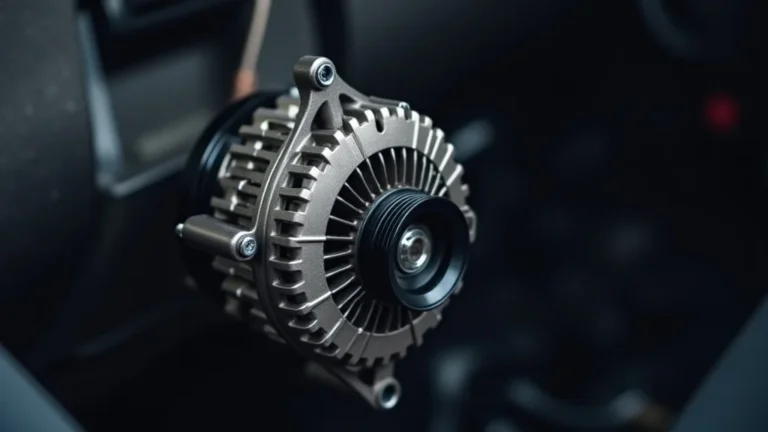
The alternator is the car’s electricity generator. It takes mechanical energy from the engine and converts it into electrical energy. This energy is used to power all the car’s electrical systems, like the lights, radio, and air conditioning. It also recharges the car’s battery as you drive. The alternator is driven by a belt connected to the engine’s crankshaft. As the engine runs, the belt spins the alternator, which generates electricity. If the alternator fails, the battery will drain, and the car will eventually stall. It is essential for the smooth operation of any vehicle.
- Charging System: The charging system comprises the alternator, the battery, and the voltage regulator.
- Alternator Components: Key parts include the rotor, stator, diodes, and voltage regulator.
- Alternator Output: A healthy alternator usually produces around 13.5 to 14.5 volts to charge the battery.
The voltage regulator ensures that the battery isn’t overcharged or undercharged by controlling the alternator’s output.
The rotor spins within the stator, creating a magnetic field that generates electricity.
A lower voltage reading could mean the alternator isn’t working correctly.
How a Jump Starter Works
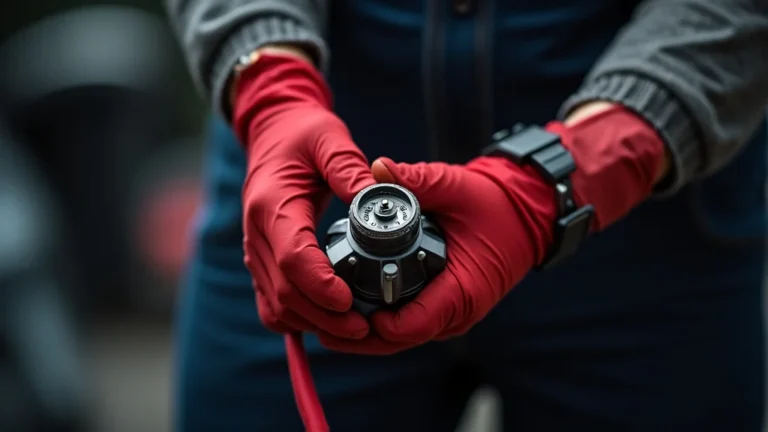
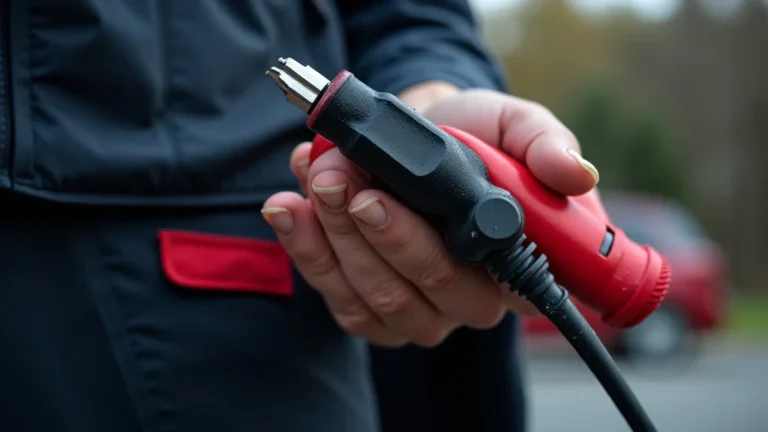
A jump starter is a portable device that provides a boost of power to your car’s battery. It has its own built-in battery that stores electricity. When you connect the jump starter to your car’s battery, it sends extra power to the starter motor. This can help crank the engine if the car battery doesn’t have enough power. Jump starters are very useful in situations where the car battery is drained, but they aren’t meant to be a permanent solution. They don’t fix any problems with the alternator, so the car might not stay running for long.
- Internal Battery: Jump starters have lithium-ion batteries that store a lot of energy.
- Safety Features: Most jump starters have safety features like reverse polarity protection.
- Usage: Connect the positive (red) cable to the positive terminal and the negative (black) cable to a grounding point on your car.
This allows them to jump-start cars multiple times on a single charge.
This prevents you from connecting the cables backward, which could damage the device or your car.
After a few minutes, try starting the car. Remove the cables after the car starts.
The Relationship Between Jump Starters, Alternators, and Car Starting
A jump starter provides a temporary fix, but the alternator’s health determines if the car stays running. If the alternator is bad, the battery will eventually drain, even after a jump. The jump starter helps to start the engine, but it doesn’t fix the underlying problem of a failing alternator. If the alternator is the issue, a jump start might get you going for a short time, but the car will likely stall again once the jump starter’s temporary power is exhausted. Knowing the difference between jump-starting a car and fixing the charging system is vital.
Can a Jump Starter Start a Car With a Faulty Alternator?
Yes, a jump starter can usually start a car with a bad alternator. The jump starter provides the initial power to crank the engine, similar to how a jump from another car would work. However, the critical detail is that the alternator cannot recharge the battery, and the car will soon stop again because the battery will run out of power. The jump starter acts as a temporary power source to overcome a weak battery. If the alternator cannot function, the car will not maintain a charge. In this instance, the jump starter offers a short-term, but not permanent, solution.
- Initial Start: The jump starter will usually provide enough power to start the engine.
- Engine Operation: The engine will run, but it’s only using the energy stored in the battery.
- Sustained Operation: The car’s electrical components, such as lights, radio, and air conditioning, will drain the battery.
The car’s engine will start because the jump starter offers an immediate burst of power.
The alternator is not producing power to charge the battery, and the vehicle may only run for a short time.
Without the alternator working, the car’s battery runs out of power quickly, and the car may stall.
The Importance of a Functional Alternator
A functional alternator is essential for the car’s electrical system. It supplies power to all the car’s electrical components while recharging the battery. If the alternator fails, the battery will eventually drain, and the car will stop. The alternator is also important to prevent damage to the battery and other electrical parts by providing a stable voltage. The car’s computer system relies on the alternator to function. The alternator maintains the car’s electrical system and allows the car to operate normally. When an alternator fails, it’s critical to address the issue quickly.
- Powering Accessories: The alternator keeps all the car’s accessories running, from the lights to the stereo.
- Battery Charging: The alternator recharges the battery while you drive, keeping it at the right voltage.
- Electrical Stability: The alternator ensures the car’s electrical system gets the correct voltage.
Without a working alternator, these accessories will drain the battery.
A failing alternator means the battery won’t get recharged, leading to starting problems.
This protects sensitive components from damage.
How to Test for a Faulty Alternator
There are several easy ways to test if your alternator is bad. One easy test is to measure the voltage across the battery terminals with the engine running. If the voltage is lower than 13.5 volts, the alternator is likely not charging the battery. Another test is to turn on the headlights, radio, and air conditioning. If the lights dim or the radio cuts out when you increase the engine speed, the alternator may not be supplying enough power. Some people use an electronic multimeter, which measures voltage. You can use this to measure the battery voltage when the car is off and when it’s running.
- Voltage Test: Use a multimeter to check the battery voltage while the engine is running.
- Load Test: Turn on the headlights and other electrical components and see if the voltage drops.
- Visual Inspection: Check the alternator belt for cracks or wear.
- Professional Diagnosis: If you are unsure, have a mechanic diagnose the charging system.
The voltage should be between 13.5 and 14.5 volts.
A significant drop means the alternator may not be working correctly.
A damaged belt can stop the alternator from working.
A professional can perform more detailed tests to identify the issue.
Steps to Take if Your Car Won’t Start
If your car won’t start, the first step is to see if the battery has power. You can check the lights and the horn to see if they work. If they are dim or don’t work, the battery might be drained. Next, try using a jump starter to start the car. If the car starts but stalls soon after, the alternator is likely the problem. You can then check the alternator, either by testing the voltage or taking the car to a mechanic for a diagnosis. Troubleshooting car starting problems requires a methodical approach. It usually helps to find out the reason the car won’t start.
Initial Steps When the Car Won’t Start
If your car fails to start, begin by checking for obvious signs of trouble. The first thing to check is the car’s lights. If they are dim or don’t come on at all, the battery is likely low on power. Try to start the car, but listen to the sound the starter motor makes. If it struggles or makes a clicking sound, that’s another indication of a low battery. If you have jumper cables or a jump starter, attempt to jump-start the car. It is important to rule out the simplest causes first, before moving to more complex solutions.
- Check the Lights: Turn on the headlights. If they are dim, the battery may be drained.
- Listen for the Starter: Listen to the starter motor. A clicking sound means it doesn’t have enough power.
- Try a Jump Start: If the battery is low, use jumper cables or a jump starter.
This suggests the battery needs to be charged or replaced.
This points to a weak battery or a problem with the starter motor itself.
If the car starts with a jump, the battery is most likely the issue.
Using a Jump Starter to Get Your Car Running
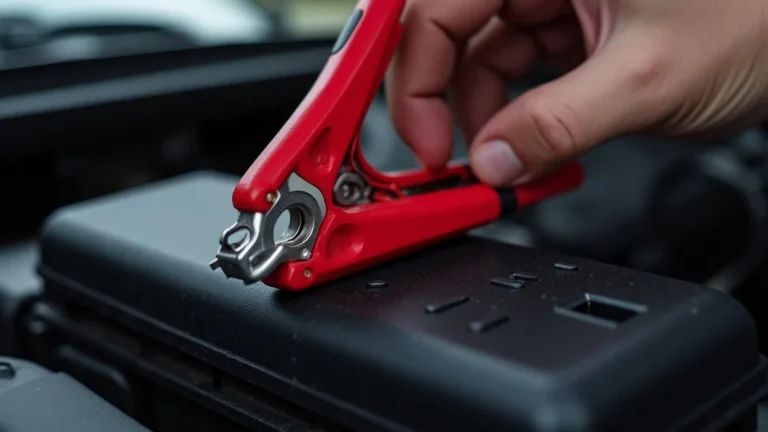
Using a jump starter is a straightforward process. First, make sure the jump starter is fully charged. Connect the red positive (+) clamp to the positive terminal of your car’s battery. Then, connect the black negative (-) clamp to a grounded metal part of your car’s chassis, or in some cases to the negative terminal of the car battery. Turn on the jump starter. After a few minutes, try to start your car. Once the car starts, disconnect the clamps in the reverse order. Using a jump starter is an easy way to get your car started quickly.
- Charge the Jump Starter: Before you start, ensure your jump starter has a full charge.
- Connect the Clamps: Attach the red clamp to the positive terminal of your car battery. Connect the black clamp to the car’s chassis.
- Turn on the Jump Starter: Activate the jump starter. Give the car a few minutes to get the power.
- Start the Car: Try to start your car. If it starts, the jump starter did its job.
- Disconnect the Clamps: Remove the clamps in the reverse order. Remove the black clamp first, then the red clamp.
A fully charged jump starter gives the best results.
Be certain to make the proper connections.
This allows the jump starter to supply the boost of power.
If the car starts, it indicates the battery needs a charge.
Ensure the clamps don’t touch each other while disconnecting.
What to Do After a Jump Start
After successfully starting your car with a jump starter, it’s essential to monitor the car’s performance. Keep the engine running for at least 15-20 minutes. This allows the alternator to charge the battery. During this time, watch the car’s electrical systems. If the headlights dim or other electrical devices fail, the alternator might be faulty. Then, take the car for testing. A mechanic can properly check the alternator and charging system. This will help you know the source of the problem. This is a crucial step.
What Happens Next: Diagnosing the Problem
After a jump start, you need to find out why the car wouldn’t start in the first place. If the car starts with a jump but quickly stalls, the alternator is likely the problem. A faulty alternator can’t recharge the battery, so the car runs until the battery power runs out. Use a multimeter to check the battery voltage while the engine is running. If the voltage reading is below normal, that means the alternator is not charging the battery. Also, see if the battery has any corrosion. Then, it’s time to take your car in for repairs.
Common Alternator Issues
A common problem is worn-out brushes. The brushes are small carbon pieces that transfer electricity from the alternator’s stator to the rotor. Over time, these brushes wear down, causing the alternator to stop working. Another issue is the diodes. These diodes convert alternating current (AC) to direct current (DC). If they fail, the alternator won’t be able to provide the correct voltage to charge the battery. Finally, the voltage regulator can fail. This component controls the voltage output of the alternator. If the regulator doesn’t work, it can lead to overcharging or undercharging of the battery.
- Worn Brushes: The alternator brushes wear down from friction, preventing proper current transfer.
- Faulty Diodes: Diodes convert AC to DC. Diodes that have failed will disrupt the flow of current.
- Voltage Regulator Failure: A faulty voltage regulator can cause overcharging or undercharging.
Regular maintenance can include checking the brushes and replacing them if needed.
Problems with the diodes can lead to the alternator failing.
The voltage regulator keeps the output at a safe level to protect the battery.
When to Call a Mechanic
If your car won’t start, or it starts but then stalls, and you suspect an alternator problem, it’s smart to call a mechanic. They have the expertise and the right tools to diagnose the issue correctly. Mechanics can perform various tests to determine the exact cause of the problem. They can use specialized equipment to test the alternator’s output and diagnose issues. Having a professional check your car can save you money. Mechanics can identify hidden problems and give the best solution.
- Difficulty Starting: If your car has a hard time starting or won’t start at all, it’s time to call a mechanic.
- Electrical Issues: Problems like dimming lights or electrical accessories failing indicate an electrical problem.
- Battery Issues: If your battery keeps dying even after being charged, the alternator might be the cause.
This could be a sign of a bad alternator or a drained battery.
These issues should be checked by a mechanic as soon as possible.
The mechanic can test your alternator’s performance.
Frequently Asked Questions
Question: Can a jump starter completely fix a car with a bad alternator?
Answer: No, a jump starter provides a temporary boost. It doesn’t fix the underlying issue if the alternator is faulty.
Question: How long will a car run after a jump start if the alternator is bad?
Answer: It depends on the battery’s condition and the car’s electrical load. It could be anywhere from a few minutes to an hour.
Question: What are the signs of a bad alternator?
Answer: Dimming headlights, a dead battery, and the car stalling are signs of a bad alternator.
Question: How do I test my alternator at home?
Answer: Use a multimeter to measure the battery voltage while the engine is running. The voltage should be around 13.5 to 14.5 volts.
Question: Is it safe to drive with a bad alternator?
Answer: No, it’s not safe. The car can stall, and you can get stranded. Get it repaired as soon as possible.
Final Thoughts
When you’re dealing with car troubles, especially electrical ones, it can be tricky to figure out the right solutions. Hopefully, this guide helped you explore the topic of can a jump starter start car with bad alternator. Now you know that while a jump starter can get your car going temporarily, it won’t fix a bad alternator. A jump starter offers a temporary boost to start your engine, but if the alternator isn’t working, the car’s battery will drain, and the car will stop. If you’re facing starting issues, take action. Always start with the basics. Check your battery and alternator, and get help from a mechanic when needed. Being prepared with knowledge and understanding is essential to resolve car-starting challenges. Good luck on the road!