Jump Starter Says Battery Dead What To Do Next
Getting your car started and hearing your jump starter says battery dead can be tricky, especially if you’re new to this. It’s frustrating when you’re stuck, but don’t worry! This is a common issue, and the good news is, there are usually simple fixes. This post is all about helping you figure out why your jump starter might be giving you this message and what steps you can take to get back on the road. Let’s explore how to get your car running again.
Checking Your Car’s Battery for Problems
The first step when your jump starter reports a dead battery involves examining the car’s battery itself. This means inspecting the battery terminals, checking for corrosion, and assessing the general state of the battery. Corrosion, often seen as a white or greenish buildup, can prevent a good electrical connection. A thorough inspection helps you identify the root cause of the problem and decide on the next course of action. If you suspect your battery is old or damaged, this is a signal that you may need a new one or professional assistance.
Battery Terminal Inspection and Cleaning
Corrosion on battery terminals is a frequent cause when a jump starter reports a dead battery. This buildup forms when battery acid reacts with the metal terminals, preventing a solid electrical connection. Clean terminals ensure the maximum amount of current flows to start your car. This often involves simple tools such as a wire brush and a solution of baking soda and water. It’s a quick fix that can often solve the problem and save you from needing a jump start.
- Safety First: Before you begin, wear safety glasses and gloves. Always work in a well-ventilated area to prevent exposure to battery acid fumes.
- Tools: You will need a wire brush, baking soda, water, a wrench or pliers to disconnect the battery cables, and a towel or rags.
- Cleaning: Mix baking soda and water to form a paste. Apply this paste to the terminals and let it sit for a few minutes. Use the wire brush to scrub away the corrosion. Rinse with clean water and dry the terminals.
- Reconnecting: Once the terminals are clean and dry, reconnect the cables. Make sure the connections are tight. Connect the positive (red) cable first, followed by the negative (black) cable.
This is extremely important. Safety glasses protect your eyes from splashes, while gloves shield your skin from acid burns. Remember to disconnect the negative (black) cable first.
A wire brush will remove corrosion effectively. Baking soda neutralizes the acid. The wrench is for loosening and removing the battery cables.
The baking soda paste helps to dissolve the corrosion, while the wire brush physically removes it. Rinse the area to get rid of any residue from the baking soda solution.
Secure connections are vital for good electrical flow. A loose connection will prevent your car from starting properly. Reconnecting in the correct order is important to avoid a short circuit.
Battery Voltage Test and Load Test
Once you’ve dealt with visible issues like corrosion, you’ll need to check the battery’s health. Testing the battery voltage and conducting a load test offers a clearer picture of its condition. A multimeter is a useful tool for this, allowing you to measure the voltage and see if the battery is holding a charge. A load test simulates the demands of starting the engine, providing a more comprehensive view of the battery’s ability to deliver power. These tests help determine if the battery is capable of starting your car or if it needs to be replaced.
- Voltage Test: Use a multimeter to measure the battery’s voltage. A fully charged 12-volt battery should read around 12.6 volts or higher. A reading below 12 volts indicates a weak battery.
- Load Test: A load test measures the battery’s ability to deliver current under a load, like when starting your car. This test is typically done at an auto parts store or by a mechanic.
- Interpreting Results: If the voltage is low or the load test fails, the battery might be damaged or nearing the end of its life. This means a jump start may not be effective.
The voltage test provides a basic indicator of the battery’s charge level. A low reading signals a problem, while a higher reading shows it’s at a healthy level.
A load test is more complex, but it can reveal if the battery can provide the power needed to start the car. This can reveal hidden defects or weaknesses.
These results determine if the battery is a good starting point. They dictate whether it can still power your car and if it requires immediate attention.
Understanding Why Your Jump Starter Says Battery Dead
There are several reasons why your jump starter says battery dead, and it’s important to understand these causes. Knowing the potential issues will help you troubleshoot effectively. The problem may lie in the jump starter itself, your car’s battery, or in the connection process. It’s important to explore these areas methodically to find the real issue and fix it.
Jump Starter Malfunctions
Sometimes, the issue isn’t your car’s battery, but rather the jump starter itself. Jump starters are electronic devices, and like all electronics, they can fail. This includes issues like internal battery problems, blown fuses, or other component failures. Regular maintenance, such as charging the jump starter and checking its internal components, is vital to avoid this issue. A malfunctioning jump starter can inaccurately report the status of the car’s battery, leading to incorrect diagnoses and unnecessary worry.
- Internal Battery Issues: Jump starters have batteries that can degrade over time. If the internal battery isn’t holding a charge, it may incorrectly indicate a dead car battery.
- Fuse Problems: Some jump starters have internal fuses that can blow, preventing them from providing power. Check the fuse and replace it if necessary.
- Component Failures: Electronics can fail. Internal components such as circuit boards or power regulators might fail, leading to faulty readings.
Jump starters should be recharged periodically. The jump starter itself might be discharged or have a battery problem of its own.
The fuse serves as a safety measure. If it’s blown, it’s a clear sign of an electrical overload.
Component failures can be complex. In these cases, it might be necessary to have the jump starter checked by an expert.
Incorrect Connection and Usage
Even if both your car battery and the jump starter are in good condition, improper connection can lead to the “battery dead” message. Correctly connecting the jumper cables is vital. Make sure the connections are secure, and follow the correct order of connecting the positive and negative terminals. Also, it’s necessary to ensure the jump starter is suitable for your car’s battery. Some jump starters might not provide enough power for larger engines. Finally, following the jump starter’s instructions is always a great step.
- Cable Connection Order: Always connect the positive (red) cable to the positive terminal first, followed by the negative (black) cable to a grounding point on the car’s chassis.
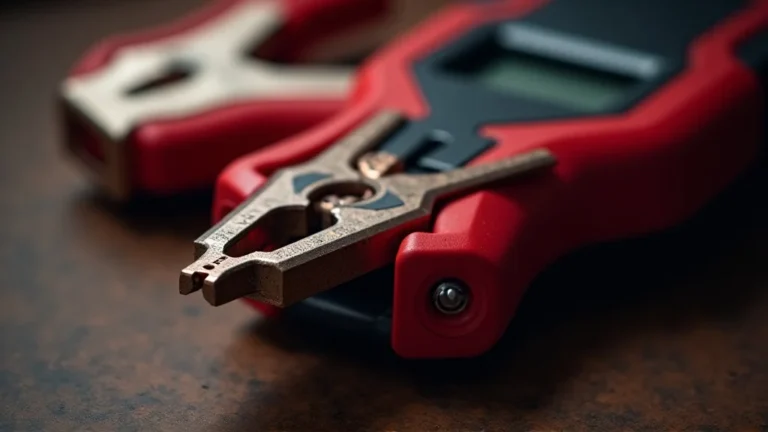
- Loose Connections: Loose cable connections can prevent current flow. Make sure the clamps are securely attached to the terminals.
- Jump Starter Capacity: Some jump starters might not be powerful enough for larger engines or severely discharged batteries. Review the jump starter’s specifications.
Incorrect order can cause sparks and damage. Following the correct sequence ensures a safe and effective connection.
Loose connections interrupt the electrical current. Ensure the clamps are firmly attached to the battery terminals to get the proper connection.
Match the jump starter’s power output with the requirements of your car. Too little power will prevent the car from starting.
Troubleshooting Steps When The Jump Starter Displays This Error
If your jump starter gives the “battery dead” message, there are specific steps you can take to troubleshoot the situation. These steps involve checking the jump starter’s charge, the car battery, and the connections. Following these will help you determine the cause of the problem, and give you a great chance of resolving it effectively. Persistence and a methodical approach are key to finding a fix.
Checking the Jump Starter
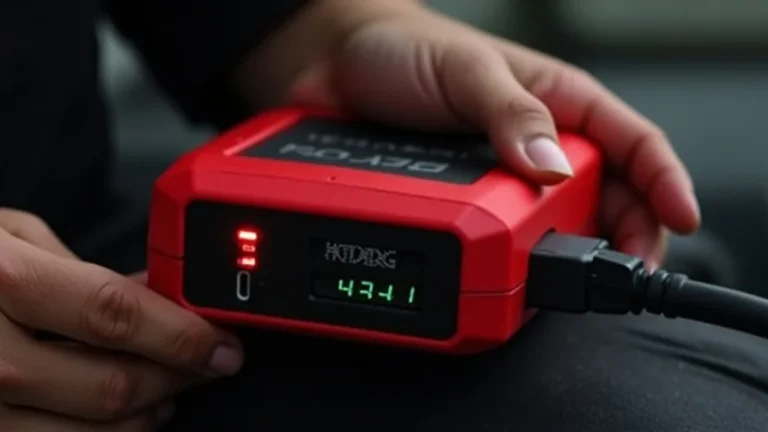
The first step in troubleshooting is to verify the jump starter’s condition. A fully charged jump starter is more likely to function properly. You should check the jump starter’s charge level, look for any error messages on its display, and try resetting it. Sometimes, a simple reset can resolve a minor glitch. This proactive approach ensures the jump starter is ready to supply power and removes one variable from the equation.
- Charge Level: Make sure the jump starter is fully charged. Low charge can lead to error messages.
- Error Messages: Check for any error codes. The display may provide clues about the problem.
- Reset: If your jump starter has a reset function, try using it. This will clear any temporary problems.
A low charge might limit the output. Always make sure it’s ready to provide the necessary power.
Error codes can suggest specific issues, such as internal battery problems or overloaded circuits.
Resetting can resolve minor issues within the jump starter’s internal processes.
Checking Car Battery and Connections
After you have confirmed the jump starter is ready, the next step is to examine the car battery and the connections. Check for corrosion on the battery terminals, as mentioned earlier, and ensure the clamps have a secure connection to the terminals. This ensures an effective transfer of power. If the battery is old or appears damaged, it might be unable to accept a jump. Thoroughly examining these components ensures proper function and identifies immediate problems.
- Terminal Inspection: Check for corrosion on the battery terminals. Clean the terminals if necessary.
- Connection Security: Make sure the jump starter clamps have a tight grip on the car battery terminals.
- Battery Condition: If the battery is old or shows signs of damage, it might not be able to accept a jump. Consider replacing it.
Corrosion can prevent the power from flowing correctly, and cleaning will solve this issue.
Loose connections can interrupt the current, and you will need a tight connection for proper power flow.
A damaged battery may not hold a charge. Its replacement may be the best course of action.
Testing the Jump Starter on Another Vehicle
If you’re still uncertain, you can try testing the jump starter on another vehicle. This quick test removes your car’s battery as a variable. If the jump starter works fine on another car, the issue likely resides with your car battery or the connection. This test helps identify whether the problem lies with the jump starter or elsewhere. This is a very useful technique in your diagnostic procedure.
- Find a Test Vehicle: Ask a friend or family member if you can test the jump starter on their car.
- Connect and Start: Follow the same connection procedure you would use on your car. Attempt to start the vehicle.
- Interpret the Results: If the jump starter works on the other vehicle, the issue is likely your car’s battery or connections. If it still says “battery dead,” the jump starter might need servicing.
This is the easy way to check the jump starter. It eliminates variables.
Follow the same process for consistent results.
This helps you pinpoint where the problem lies. It guides your troubleshooting process effectively.
Alternative Solutions If the Jump Starter Fails
If the jump starter still says “battery dead,” there are alternative options to try. These involve seeking outside assistance, such as calling a roadside assistance service or a trusted mechanic. These professional services have specialized equipment and experience to assess and solve the problem. These options are particularly useful when you are unsure about troubleshooting or are dealing with a complex issue. These are great options to keep in mind.
Roadside Assistance and Professional Help
Sometimes, calling for roadside assistance is the most effective approach. These services have the tools and experience to quickly diagnose and fix the problem. They can assess your battery’s condition, provide a jump start if needed, or recommend more extensive repairs. Using professional assistance will save you time and potential frustration. It also guarantees that an experienced professional is on the job.
- Contact Roadside Assistance: Call your roadside assistance provider, such as AAA, or another similar service. They will send a technician to your location.
- Describe the Problem: Provide details about the issue, including the “battery dead” message. This will help the technician assess the situation.
- Battery Replacement: If the battery is dead, the technician can often replace it on the spot, or provide a tow to a repair shop if necessary.
Roadside assistance provides on-site solutions. This is useful when you are stranded or uncertain.
Detailed information helps the technician to prepare and diagnose the issue promptly.
This offers a quick and easy solution, helping to get you back on the road safely and swiftly.
Battery Replacement and Preventative Measures
In many cases, a battery replacement is the final solution. The battery in your car has a limited lifespan, typically three to five years. Replacing the battery is an effective way to fix the problem and avoid future issues. In addition, taking preventative measures will improve your battery’s performance. These measures include regular maintenance and ensuring you do not leave electrical devices running. These measures can enhance the battery’s longevity.
-
Battery
Replacing the battery resolves the underlying problem. It avoids future issues and provides peace of mind.
- Preventative Maintenance: Regularly check your battery terminals for corrosion. Keep the terminals clean and ensure that the connections are tight.
Maintenance extends your battery’s life. Simple steps can prevent many common battery problems.
- Electrical Device Awareness: Avoid leaving lights or electrical devices on. These actions can drain your battery quickly.
Minimize the drain on your battery. Be mindful about how electrical systems affect your car’s starting ability.
Frequently Asked Questions
Question: Why does my jump starter say the battery is dead even when I know the battery is new?
Answer: It’s possible there’s an issue with the jump starter itself (internal battery failure, blown fuse), the connection isn’t good (loose clamps, corroded terminals), or the jump starter isn’t powerful enough for your car’s battery.
Question: Can I damage my car by using a jump starter incorrectly?
Answer: Yes, you can. Incorrectly connecting the jumper cables (reversing polarity) can cause damage to the car’s electrical system and the jump starter. Always follow the instructions.
Question: How often should I charge my jump starter?
Answer: It’s best to charge your jump starter after each use, or at least every few months, even if you haven’t used it. This will make it more reliable and ready to use when needed.
Question: What’s the best way to clean battery terminals?
Answer: Use a wire brush and a solution of baking soda and water. Apply the solution, scrub the terminals, rinse with clean water, and then dry. Always wear protective gear (gloves and safety glasses).
Question: How long should I leave the jump starter connected before attempting to start my car?
Answer: Generally, leave the jump starter connected for 5-10 minutes. This allows some charge to transfer to the dead battery. However, if the battery is severely drained, it might take longer or require a different approach like a full charge.
Final Thoughts
When your jump starter says battery dead, it can be a little stressful, but knowing what to do makes the process much easier. You’ve now explored the common reasons behind this message, from battery terminal issues to problems with the jump starter itself. By inspecting your battery’s condition, checking the jump starter’s functionality, and ensuring you’re using the equipment correctly, you can often fix the problem. Remember to always prioritize safety when working with batteries and electrical systems. If you’re still unsure, don’t hesitate to seek professional help. Hopefully, the information provided here will assist in getting you back on the road quickly and safely, so you can keep your car running.